News
Civil Aviation
Pilot Training
Flight School Analysis
Aviation Jobs
Training
Services
About Us
Contact Us

HAL-GE F414 Engine Deal Moves Closer To Reality, Set To Power Tejas Mk2, TEDBF & AMCA

Picture of Aviation Today News Desk

Aviation Today News Desk

Bengaluru, India: India has taken a significant step forward in its indigenous fighter jet programme after state-run Hindustan Aeronautics Limited (HAL) and GE Aerospace concluded a critical technical agreement for the co-production of F414 jet engines, paving the way for a final commercial contract expected later this year. The development marks a major milestone in India’s defence manufacturing ambitions, as the F414 engine is slated to power three key indigenous combat aircraft the Tejas Mk2, the Twin Engine Deck-Based Fighter (TEDBF), and the initial variant of the Advanced Medium Combat Aircraft (AMCA). HAL and GE Aerospace have finalised the technical aspects of the agreement, including complex negotiations around technology transfer widely regarded as the most challenging phase of the deal. With this stage completed, both sides have moved into commercial negotiations, which are expected to take additional time due to rising global component costs and pricing complexities. Officials indicate that the final contract could be signed within the current financial year, marking the culmination of negotiations that have been underway for nearly three years. A central feature of the agreement is the transfer of approximately 80% of manufacturing technology from GE Aerospace to HAL, one of the most substantial technology transfer arrangements ever secured by India in the aerospace sector. The deal will enable India to manufacture advanced fighter jet engines domestically, significantly reducing dependence on imports and strengthening long-term self-reliance in critical defence technologies. Under the agreement: 99 F414 engines are planned to be manufactured in India for the Tejas Mk2 programme The Indian Air Force (IAF) has projected a requirement of 120–130 Tejas Mk2 aircraft, indicating further engine demand The co-production programme will involve licensed manufacturing in India, not just assembly The engine, capable of delivering around 98 kN of thrust, is critical for the performance requirements of next-generation Indian fighter platforms. Tejas Mk2 The F414 engine will power the Tejas Mk2, a more advanced and heavier variant of the Light Combat Aircraft designed to replace ageing fleets and enhance the IAF’s combat capability. TEDBF (Naval Fighter) The Twin Engine Deck-Based Fighter, intended for aircraft carrier operations, will rely on dual F414 engines for enhanced thrust and maritime capability. AMCA (5th-Generation Fighter) The initial version of India’s fifth-generation stealth fighter, AMCA Mk1, is also expected to use the F414 engine before transitioning to a more powerful indigenous or co-developed engine in later variants. The agreement is expected to play a key role in: Boosting indigenous defence manufacturing under the “Make in India” initiative Strengthening India–US defence cooperation, particularly in high-end aerospace technologies Addressing the Indian Air Force’s declining squadron strength, a major operational concern Enabling future fighter programmes without dependence on foreign engine supplies Experts note that local production of such high-performance engines represents a critical capability gap that India has long sought to bridge. The HAL–GE engine collaboration traces back to a Memorandum of Understanding signed in June 2023, during Prime Minister Narendra Modi’s visit to the United States. Since then, negotiations have focused heavily on securing deep technology transfer, with India insisting on a minimum threshold of around 80% for the deal to proceed. Following the conclusion of technical discussions in April 2026, the programme has now entered its final phase before contract signing. Once finalised, the agreement will not only power multiple indigenous fighter programmes but also mark a decisive shift towards domestic production of advanced jet engines, a capability currently limited to a handful of countries worldwide.
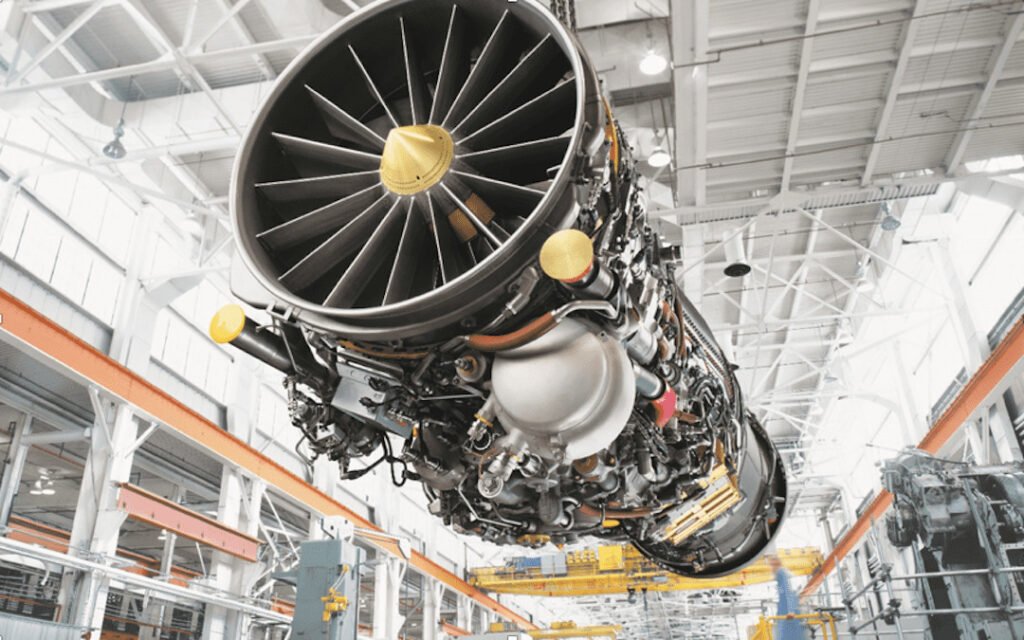
Image: GE Aerospace

Bengaluru, India: India has taken a significant step forward in its indigenous fighter jet programme after state-run Hindustan Aeronautics Limited (HAL) and GE Aerospace concluded a critical technical agreement for the co-production of F414 jet engines, paving the way for a final commercial contract expected later this year.

The development marks a major milestone in India’s defence manufacturing ambitions, as the F414 engine is slated to power three key indigenous combat aircraft the Tejas Mk2, the Twin Engine Deck-Based Fighter (TEDBF), and the initial variant of the Advanced Medium Combat Aircraft (AMCA).

HAL and GE Aerospace have finalised the technical aspects of the agreement, including complex negotiations around technology transfer widely regarded as the most challenging phase of the deal.

With this stage completed, both sides have moved into commercial negotiations, which are expected to take additional time due to rising global component costs and pricing complexities.

Officials indicate that the final contract could be signed within the current financial year, marking the culmination of negotiations that have been underway for nearly three years.

A central feature of the agreement is the transfer of approximately 80% of manufacturing technology from GE Aerospace to HAL, one of the most substantial technology transfer arrangements ever secured by India in the aerospace sector.

The deal will enable India to manufacture advanced fighter jet engines domestically, significantly reducing dependence on imports and strengthening long-term self-reliance in critical defence technologies.

Under the agreement:

  • 99 F414 engines are planned to be manufactured in India for the Tejas Mk2 programme
  • The Indian Air Force (IAF) has projected a requirement of 120–130 Tejas Mk2 aircraft, indicating further engine demand
  • The co-production programme will involve licensed manufacturing in India, not just assembly

The engine, capable of delivering around 98 kN of thrust, is critical for the performance requirements of next-generation Indian fighter platforms.

Tejas Mk2

The F414 engine will power the Tejas Mk2, a more advanced and heavier variant of the Light Combat Aircraft designed to replace ageing fleets and enhance the IAF’s combat capability.

TEDBF (Naval Fighter)

The Twin Engine Deck-Based Fighter, intended for aircraft carrier operations, will rely on dual F414 engines for enhanced thrust and maritime capability.

AMCA (5th-Generation Fighter)

The initial version of India’s fifth-generation stealth fighter, AMCA Mk1, is also expected to use the F414 engine before transitioning to a more powerful indigenous or co-developed engine in later variants.

The agreement is expected to play a key role in:

  • Boosting indigenous defence manufacturing under the “Make in India” initiative
  • Strengthening India–US defence cooperation, particularly in high-end aerospace technologies
  • Addressing the Indian Air Force’s declining squadron strength, a major operational concern
  • Enabling future fighter programmes without dependence on foreign engine supplies

Experts note that local production of such high-performance engines represents a critical capability gap that India has long sought to bridge.

The HAL–GE engine collaboration traces back to a Memorandum of Understanding signed in June 2023, during Prime Minister Narendra Modi’s visit to the United States.

Since then, negotiations have focused heavily on securing deep technology transfer, with India insisting on a minimum threshold of around 80% for the deal to proceed.

Following the conclusion of technical discussions in April 2026, the programme has now entered its final phase before contract signing. 

Once finalised, the agreement will not only power multiple indigenous fighter programmes but also mark a decisive shift towards domestic production of advanced jet engines, a capability currently limited to a handful of countries worldwide.

Leave a Comment

Subscribe to our Newsletter

Recent News