News
Civil Aviation
Pilot Training
Flight School Analysis
Aviation Jobs
Training
Services
About Us
Contact Us

Delhi Slashes ATF VAT From 25% To 7% For Six Months Amid Rising Fuel Costs

Picture of Aviation Today News Desk

Aviation Today News Desk

Delhi Slashes ATF VAT From 25% To 7% For Six Months Amid Rising Fuel Costs SEO DES: Delhi cut ATF VAT to lower airline costs and stabilise fares as fuel forms 30–40% of expenses; annual revenue loss may reach ₹985 crore SOCIAL: The Delhi government has cut VAT on Aviation Turbine Fuel (ATF) from 25% to 7% for six months to support airlines amid rising fuel costs and the ongoing West Asia crisis. The decision was approved by the Cabinet led by Rekha Gupta. Officials said the move aims to reduce airline operating costs and stabilise airfares, as ATF accounts for nearly 30–40% of airline expenses. The tax cut may lead to an estimated annual revenue loss of around ₹985 crore for Delhi. The move follows Maharashtra’s recent ATF VAT reduction. Delhi said lower aviation taxes would strengthen connectivity and support operations at Indira Gandhi International Airport, India’s busiest airport. New Delhi, India: The Delhi government has reduced the Value Added Tax (VAT) on Aviation Turbine Fuel (ATF) from 25 per cent to 7 per cent for an initial period of six months, in a move aimed at easing operational pressure on airlines and stabilising airfares amid rising global fuel volatility linked to the ongoing West Asia crisis. The decision was approved during a Cabinet meeting chaired by Delhi Chief Minister Rekha Gupta. In an official statement issued after the meeting, the Delhi government said, “Delhi government has decided to reduce the value-added tax (VAT) on aviation turbine fuel (ATF) from the existing 25 per cent to 7 per cent, a move which is likely to benefit the airlines and common passengers.” The concessional VAT rate will remain in effect for six months initially, according to the Chief Minister’s Office. Officials said the measure has been introduced against the backdrop of increasing pressure on the aviation industry due to geopolitical instability, fluctuating crude oil prices and operational disruptions caused by tensions in West Asia. Chief Minister Rekha Gupta described the move as a “major economic decision” taken during a period of “global crisis and rising competition,” adding that the government intends to support aviation growth, tourism, logistics and overall economic activity in the national capital. The Delhi government acknowledged that the tax reduction could result in an estimated annual revenue loss of nearly ₹985 crore. Despite the expected revenue impact, the administration stated that improving connectivity and maintaining Delhi’s competitiveness as India’s largest aviation hub remained a priority. According to official data shared by the government, VAT on ATF currently contributes around ₹1,368 crore annually to Delhi’s revenues and accounts for nearly 19 per cent of the government’s total yearly VAT collection. The government also highlighted that ATF continues to remain outside the Goods and Services Tax (GST) regime. Although GST has been in force nationwide since 2017, states retain the authority to levy VAT on six petroleum products, including aviation turbine fuel, under the State List of the Constitution. Industry estimates cited by the Delhi government indicate that ATF accounts for nearly 30–40 per cent of an airline’s operating expenses, making fuel one of the largest cost components for carriers. Officials said persistent fuel price pressure caused by geopolitical tensions, supply chain disruptions and periodic airspace restrictions has significantly affected airline balance sheets and domestic ticket pricing. The announcement came a day after the Maharashtra government reduced VAT on ATF from 18 per cent to 7 per cent for six months, effective May 15. Maharashtra officials stated that the move was aimed at providing relief to airlines and passengers amid rising operational costs linked to the West Asia crisis and elevated crude oil prices. Union Civil Aviation Minister Ram Mohan Naidu Kinjarapu welcomed Maharashtra’s decision and thanked Maharashtra Chief Minister Devendra Fadnavis for the “timely intervention,” saying the move would help keep airfares under control during a period of rising global cost pressures. Delhi also underlined the strategic importance of Indira Gandhi International Airport, which handled nearly eight crore passengers during FY2024-25, making it the country’s busiest airport. The government said maintaining competitive aviation taxes would help strengthen Delhi’s position as India’s primary aviation, trade and logistics hub. Officials further noted that several states continue to impose significantly higher VAT rates on aviation fuel. According to government data cited in reports, Tamil Nadu currently levies the highest VAT on ATF at 29 per cent, followed by West Bengal at 25 per cent. The aviation sector has been facing mounting operational challenges in recent months, including airspace closures, route diversions and rising fuel costs triggered by escalating tensions in West Asia. Analysts expect the tax reduction measures by Delhi and Maharashtra to offer temporary relief to airlines operating domestic services from major hubs.

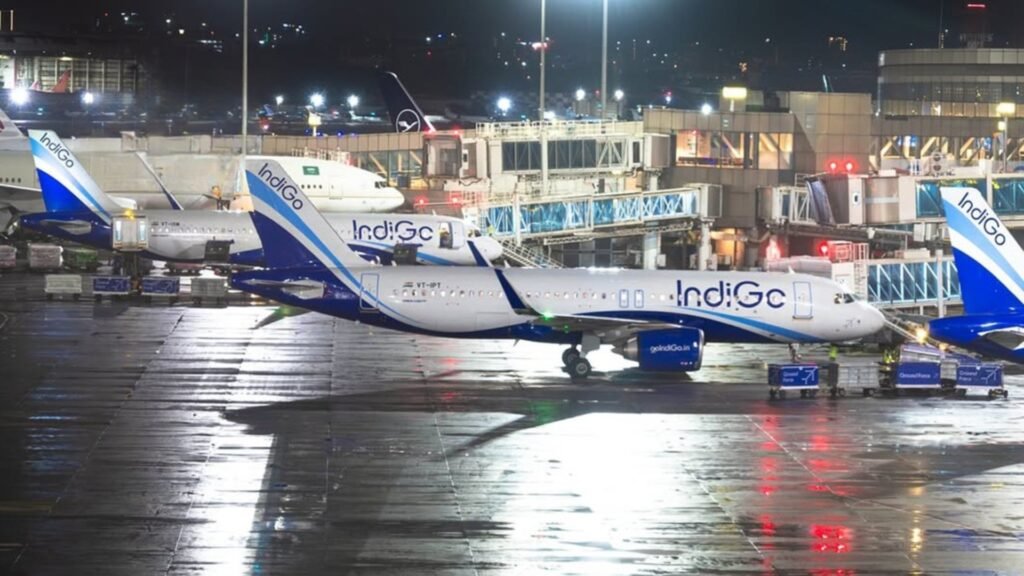
Image: CSMIA

New Delhi, India: The Delhi government has reduced the Value Added Tax (VAT) on Aviation Turbine Fuel (ATF) from 25 per cent to 7 per cent for an initial period of six months, in a move aimed at easing operational pressure on airlines and stabilising airfares amid rising global fuel volatility linked to the ongoing West Asia crisis. The decision was approved during a Cabinet meeting chaired by Delhi Chief Minister Rekha Gupta.

In an official statement issued after the meeting, the Delhi government said, “Delhi government has decided to reduce the value-added tax (VAT) on aviation turbine fuel (ATF) from the existing 25 per cent to 7 per cent, a move which is likely to benefit the airlines and common passengers.”

The concessional VAT rate will remain in effect for six months initially, according to the Chief Minister’s Office. Officials said the measure has been introduced against the backdrop of increasing pressure on the aviation industry due to geopolitical instability, fluctuating crude oil prices and operational disruptions caused by tensions in West Asia.

Chief Minister Rekha Gupta described the move as a “major economic decision” taken during a period of “global crisis and rising competition,” adding that the government intends to support aviation growth, tourism, logistics and overall economic activity in the national capital.

The Delhi government acknowledged that the tax reduction could result in an estimated annual revenue loss of nearly ₹985 crore. Despite the expected revenue impact, the administration stated that improving connectivity and maintaining Delhi’s competitiveness as India’s largest aviation hub remained a priority.

According to official data shared by the government, VAT on ATF currently contributes around ₹1,368 crore annually to Delhi’s revenues and accounts for nearly 19 per cent of the government’s total yearly VAT collection.

The government also highlighted that ATF continues to remain outside the Goods and Services Tax (GST) regime. Although GST has been in force nationwide since 2017, states retain the authority to levy VAT on six petroleum products, including aviation turbine fuel, under the State List of the Constitution.

Industry estimates cited by the Delhi government indicate that ATF accounts for nearly 30–40 per cent of an airline’s operating expenses, making fuel one of the largest cost components for carriers. Officials said persistent fuel price pressure caused by geopolitical tensions, supply chain disruptions and periodic airspace restrictions has significantly affected airline balance sheets and domestic ticket pricing.

The announcement came a day after the Maharashtra government reduced VAT on ATF from 18 per cent to 7 per cent for six months, effective May 15. Maharashtra officials stated that the move was aimed at providing relief to airlines and passengers amid rising operational costs linked to the West Asia crisis and elevated crude oil prices.

Union Civil Aviation Minister Ram Mohan Naidu Kinjarapu welcomed Maharashtra’s decision and thanked Maharashtra Chief Minister Devendra Fadnavis for the “timely intervention,” saying the move would help keep airfares under control during a period of rising global cost pressures.

Delhi also underlined the strategic importance of Indira Gandhi International Airport, which handled nearly eight crore passengers during FY2024-25, making it the country’s busiest airport. The government said maintaining competitive aviation taxes would help strengthen Delhi’s position as India’s primary aviation, trade and logistics hub.

Officials further noted that several states continue to impose significantly higher VAT rates on aviation fuel. According to government data cited in reports, Tamil Nadu currently levies the highest VAT on ATF at 29 per cent, followed by West Bengal at 25 per cent.

The aviation sector has been facing mounting operational challenges in recent months, including airspace closures, route diversions and rising fuel costs triggered by escalating tensions in West Asia. Analysts expect the tax reduction measures by Delhi and Maharashtra to offer temporary relief to airlines operating domestic services from major hubs.

Leave a Comment

Subscribe to our Newsletter

Recent News