New Delhi, India: India’s Directorate General of Civil Aviation (DGCA) has reportedly directed airlines to conduct a one-time psychoactive-substance/drug test on all pilots, marking the regulator’s latest step to strengthen cockpit fitness requirements following the Air India Phuket-Delhi incident and subsequent findings involving the flight’s pilot-in-command. The reported directive has not yet been officially released by the government.
According to reports citing a government official, airlines have been instructed to complete the one-time testing of their pilots by July 2027. The move expands testing beyond the existing regulatory framework, under which a minimum proportion of flight crew is subject to random psychoactive-substance screening each year. The latest directive means the entire airline pilot population will be covered once under the new exercise.
The reported decision comes after the DGCA had been examining whether drug testing should be expanded following the August 4 Air India incident. In August, Civil Aviation Minister K. Rammohan Naidu said the government was considering testing all pilots at least once a year, while the regulator was consulting airlines and other stakeholders on possible changes to the existing framework. At present, the applicable requirement provides for random testing of 10% of pilots annually.
The latest one-time order should therefore be distinguished from the separate proposal for annual testing of all pilots. The September 10, 2026 action establishes a nationwide one-time screening exercise, while a permanent requirement for every pilot to undergo random testing every year would require a further regulatory decision.
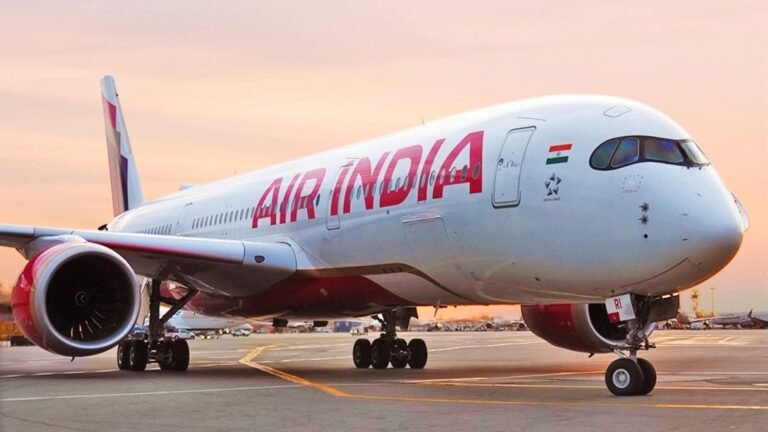
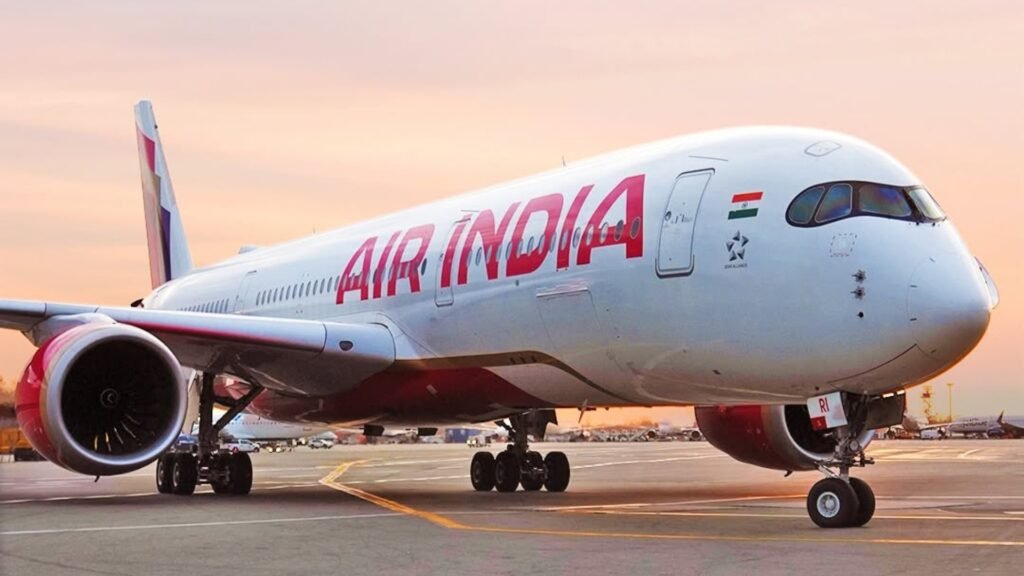
The development follows the August 4, 2026 Air India AI2379 Phuket-Delhi incident, in which an Airbus A320 registered VT-EXO experienced a sudden loss of altitude while cruising at about 36,000 feet. The aircraft briefly lost pressure in all three hydraulic systems, with the autopilot disconnecting and key flight-control functions becoming temporarily unavailable. The aircraft subsequently recovered and landed safely at Delhi.
The AAIB’s preliminary investigation found that the aircraft experienced a rapid sequence involving the 3 hydraulic systems. The systems recovered within seconds, but the event resulted in a sudden altitude change and injuries to 20 passengers and four cabin crew members. The aircraft also suffered cabin damage. Airbus and France’s BEA have been assisting the investigation, while technical evidence and hydraulic components continue to be examined.
The preliminary report did not establish the underlying cause of the triple hydraulic-system pressure loss. Investigators are examining whether the systems genuinely lost hydraulic pressure or whether some of the indications could have resulted from erroneous signals. The final investigation is expected to address the technical cause.
Separately, the AAIB disclosed that the pilot-in-command had returned a non-negative result for a psychoactive substance in the confirmatory test. The preliminary report described the confirmation of psychoactive-substance use as a “serious concern” and recommended that the DGCA take appropriate action on priority to prevent abuse of such substances.
The AAIB report did not state that the pilot’s substance use caused the aircraft’s hydraulic malfunction or the altitude loss. That distinction remains important because the technical investigation is still underway.
Following the AAIB finding, Air India terminated the pilot’s employment with immediate effect. An Air India spokesperson said: “Safety remains Air India’s highest priority. The Pilot-in-Command of the Phuket-Delhi flight tested positive for a psychoactive substance.” The airline said the termination was consistent with its “zero-tolerance approach to violation of safety, fitness or regulatory requirements.”
Air India had already moved beyond the regulator’s minimum testing requirement before the latest DGCA-wide order. On August 13, 2026 the airline group began a mandatory one-time substance screening of more than 5,000 pilots across Air India and Air India Express. The exercise was introduced following the Phuket-Delhi incident and the pilot’s initial test result.
At the time, Air India said the testing would cover substances and medications prohibited under prevailing regulations. The airline also said its pilots already undergo training, proficiency checks, medical examinations and other regulatory assessments. Following the incident, it began testing 100% of its pilots as an additional safety measure.
Air India’s testing programme subsequently produced further non-negative initial results involving two additional pilots, according to reports. Those pilots were removed from flying duties while confirmatory testing was awaited. The reports highlighted that the airline’s expanded screening was being conducted beyond the existing DGCA requirement.
The issue also prompted the Federation of Indian Pilots to call for stronger testing provisions. The pilots’ body asked the DGCA to increase annual random testing from the existing 10% to 20-25% and proposed the use of oral-fluid testing alongside urine-based screening. It also called for a framework combining random, repeat, unannounced, post-occurrence and reasonable-suspicion testing.
The DGCA’s latest decision therefore represents the most immediate regulatory response to the concerns raised after the Air India incident. While the one-time nationwide testing exercise is now being directed for all airline pilots, the larger question of whether India will permanently require annual random psychoactive-substance testing of every pilot remains a separate policy matter.
The AAIB investigation into the Air India A320 incident also remains ongoing. The preliminary report has not determined the cause of the hydraulic-system failure, and investigators continue to examine technical, operational and other evidence. The final report is expected to provide further findings.