New Delhi, India: India is considering expanding mandatory psychoactive-substance testing to cover every commercial pilot at least once a year, with the test conducted at a random time, Civil Aviation Minister Ram Mohan Naidu Kinjarapu said on Tuesday, August 25, 2026. The proposal would represent a major expansion from the existing requirement, under which 10% of the overall pilot network is tested annually.
Speaking to reporters in New Delhi on August 25, 2026 Naidu said the Directorate General of Civil Aviation (DGCA) is consulting airlines, pilot organisations and other stakeholders before deciding whether to change the framework. “There are multiple ways of approaching this dope test. Right now, the rule says 10% across the overall pilot network. DGCA is engaging, and one of the opinions from our side is that everyone has to go through it in the year at a random time,” he said.
Naidu stressed that the proposal is still under consideration and that the regulator must assess its effect on airline operations. “We have to see how all the stakeholders are going to respond to this because one is the safety aspect of it, and the second thing is the operational impact, which also has to be taken into consideration. So, we are going to balance both of them,” he said. He added: “But if we were to implement 100 per cent testing, where every pilot has to undergo a dope test at least once a year, what impact would that have? The DGCA is strategising that.”
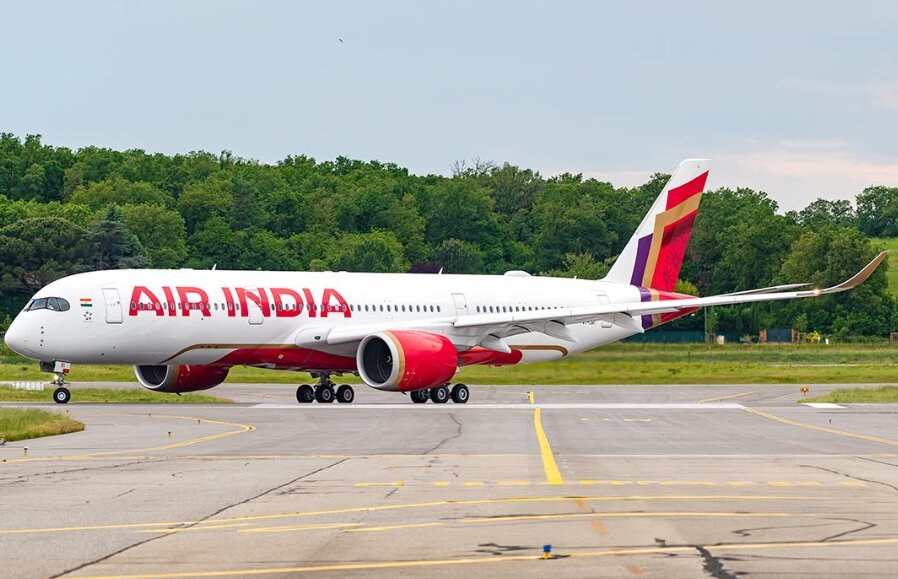
The proposed expansion would apply across the pilot network rather than to a specific airline. It follows the August 4 Air India AI2379 incident, when an Airbus A320 operating from Phuket to Delhi suddenly lost about 300 feet of altitude. Twenty passengers and four cabin crew members were injured, while the aircraft, registration VT-EXO, later stabilised and landed safely in Delhi.
The incident brought the existing pilot drug-testing system under renewed scrutiny after the pilot-in-command’s initial psychoactive-substance screening was reported as “not negative” and a subsequent confirmatory laboratory test reportedly detected marijuana. Both pilots were removed from flying duties pending the investigation and testing process. The AAIB is separately investigating the cause of the altitude loss, so the drug-test result should not be treated as evidence that substance use caused the incident.
The government had already asked the DGCA to review the existing framework after the incident, including international testing practices and whether India’s safeguards should be strengthened. The regulator is now conducting stakeholder consultations on possible changes.
Air India and Air India Express have meanwhile moved ahead independently of any nationwide rule change. From August 13, the two airlines began mandatory one-time psychoactive-substance screening of their entire pilot workforce, covering roughly 5,000 pilots. The airline said the exercise goes beyond current regulatory requirements and would be conducted during training, after flights or at designated base locations.
The government is therefore weighing a shift from 10% annual random testing to 100% annual random testing for pilots across India, but no final nationwide mandate has been announced yet. The DGCA’s ongoing consultation will determine whether the proposal is operationally feasible and how any revised testing regime would be implemented.