News
Civil Aviation
Pilot Training
Flight School Analysis
Aviation Jobs
Training
Services
About Us
Contact Us

Air India Group Mandates Substance Screening For All Pilots Following A320neo Incident

Picture of Aviation Today News Desk

Aviation Today News Desk

Air India Group Mandates Substance Screening For All Pilots Following A320neo Incident SEO DES: The move follows an August 4 incident in which the captain underwent substance testing that returned a non-negative result after a sudden 300 ft altitude loss SOCIAL: Air India and Air India Express have begun one-time mandatory substance screening for more than 5,000 pilots, going beyond DGCA’s requirement of annual random testing of at least 10% of flight crew. The exercise began August 13, with pilots being tested at training centres, briefing locations and other designated facilities. No completion figures have been officially released yet. The expanded testing follows the August 4 Phuket-Delhi incident, in which an Air India A320neo lost about 300 feet in altitude, leaving 24 passengers and crew injured. Both pilots underwent mandatory screening, with the captain’s initial test requiring confirmation. A later media report said the captain tested positive for marijuana in the confirmatory test, although this has not been officially confirmed by DGCA or the Ministry of Civil Aviation. Civil Aviation Minister K. Ram Mohan Naidu said the incident is being investigated with aviation safety as the priority. The expanded screening marks a stronger step by Air India to monitor pilot fitness, while the airline and regulator are expected to assess the findings and determine any further safety measures. New Delhi, India: Air India and Air India Express have begun mandatory substance screening for more than 5,000 pilots, with the airline launching the one-time, group-wide testing exercise on August 13. The programme covers pilots across both carriers and goes beyond the existing regulatory requirement for airlines to randomly test at least 10% of flight crew for psychoactive substances each year. Air India has not publicly disclosed how many pilots have completed the new screening or what percentage of the total pilot pool has been tested. Current reports describe the exercise as ongoing rather than completed. The testing covers substances and medications prohibited under aviation regulations and is being conducted at multiple points across the airline’s operations. According to an internal Air India communication cited by Reuters, pilots can be screened alongside training sessions at the airline’s Gurugram academy, after flights at briefing centres and offices, and at locations designated according to their home bases. Air India Express pilots are included in the exercise. The airline has said the additional screening is intended to strengthen safety standards and reassure passengers and other stakeholders. Air India announced the expanded testing programme on August 13, saying it already complies with the Directorate General of Civil Aviation’s existing requirements but had decided to go further. The airline’s senior vice-president for flight operations, Captain Manish Uppal, told pilots that protecting passenger trust was central to the decision. After this one-time exercise, Air India is expected to return to the applicable regulatory framework, which currently requires annual random testing of at least 10% of flight crew. The move follows the August 4 serious incident involving an Air India Airbus A320neo operating from Phuket to Delhi. The aircraft experienced a sudden loss of about 300 feet in altitude while cruising before stabilising and continuing to Delhi. The flight was carrying 137 passengers and eight crew members, and subsequent reports said 24 passengers and crew members were injured. Following the incident, both pilots underwent mandatory screening for psychoactive substances after the aircraft landed in Delhi. The Ministry of Civil Aviation said the captain’s initial result required further laboratory confirmation, and both pilots were removed from flying duties while the investigation continued. The Aircraft Accident Investigation Bureau is examining flight data, aircraft systems, maintenance and operational records, medical information and crew accounts, with Airbus and France’s BEA assisting the Indian investigation. The subsequent development that brought the pilot-testing issue into sharper focus was the reported result of the confirmatory laboratory test. Several media outlets reported on August 11, citing sources familiar with the matter, that the captain had tested positive for marijuana in the confirmatory test. Separately, the Ministry of Civil Aviation officially summoned Air India CEO Campbell Wilson for a briefing on the investigation. That result, however, has not been publicly confirmed in an official statement by the DGCA or the Ministry of Civil Aviation. The official position previously released by the ministry was that the captain’s initial screening required confirmatory testing. The reported positive confirmatory result therefore remains attributed to sources familiar with the matter rather than an officially published regulatory finding. Civil Aviation Minister K. Ram Mohan Naidu has meanwhile maintained that the incident is being investigated and that aviation safety remains the priority. The government’s response has included directing the regulator to strengthen oversight of psychoactive-substance testing, while Air India has moved beyond the minimum regulatory requirement by subjecting its entire pilot pool to the expanded screening exercise. The wider significance of the move will depend not only on the completion of the current testing programme, but also on how the airline and regulator translate its findings into long-term safety and fitness-for-duty measures.

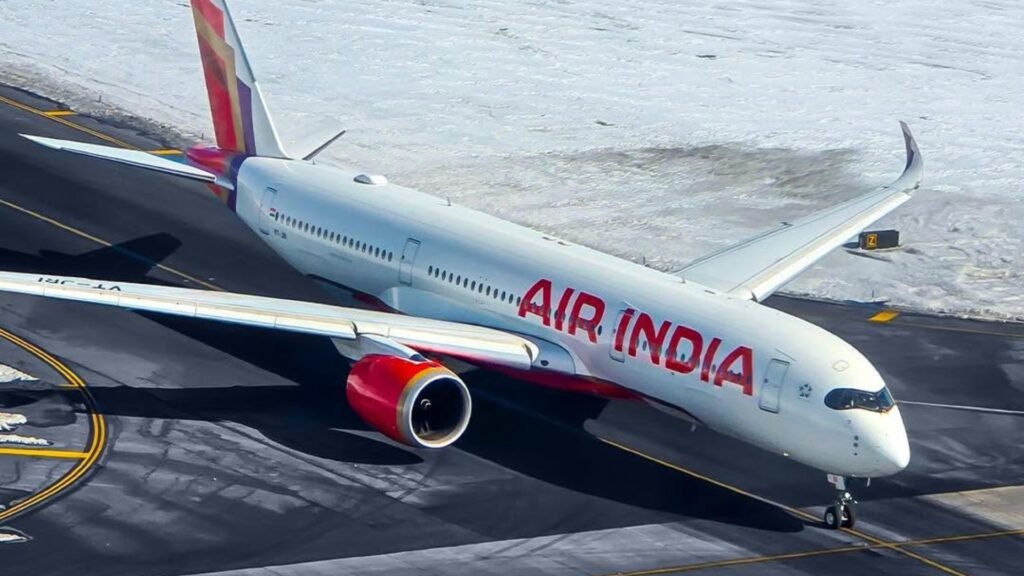
Image: Air India

New Delhi, India: Air India and Air India Express have begun mandatory substance screening for more than 5,000 pilots, with the airline launching the one-time, group-wide testing exercise on August 13. The programme covers pilots across both carriers and goes beyond the existing regulatory requirement for airlines to randomly test at least 10% of flight crew for psychoactive substances each year. 

Air India has not publicly disclosed how many pilots have completed the new screening or what percentage of the total pilot pool has been tested. Current reports describe the exercise as ongoing rather than completed.

The testing covers substances and medications prohibited under aviation regulations and is being conducted at multiple points across the airline’s operations. According to an internal Air India communication cited by Reuters, pilots can be screened alongside training sessions at the airline’s Gurugram academy, after flights at briefing centres and offices, and at locations designated according to their home bases. 

Air India Express pilots are included in the exercise. The airline has said the additional screening is intended to strengthen safety standards and reassure passengers and other stakeholders.

Air India announced the expanded testing programme on August 13, saying it already complies with the Directorate General of Civil Aviation’s existing requirements but had decided to go further. The airline’s senior vice-president for flight operations, Captain Manish Uppal, told pilots that protecting passenger trust was central to the decision. After this one-time exercise, Air India is expected to return to the applicable regulatory framework, which currently requires annual random testing of at least 10% of flight crew.

The move follows the August 4 serious incident involving an Air India Airbus A320neo operating from Phuket to Delhi. The aircraft experienced a sudden loss of about 300 feet in altitude while cruising before stabilising and continuing to Delhi. The flight was carrying 137 passengers and eight crew members, and subsequent reports said 24 passengers and crew members were injured.

Following the incident, both pilots underwent mandatory screening for psychoactive substances after the aircraft landed in Delhi. The Ministry of Civil Aviation said the captain’s initial result required further laboratory confirmation, and both pilots were removed from flying duties while the investigation continued. The Aircraft Accident Investigation Bureau is examining flight data, aircraft systems, maintenance and operational records, medical information and crew accounts, with Airbus and France’s BEA assisting the Indian investigation.

The subsequent development that brought the pilot-testing issue into sharper focus was the reported result of the confirmatory laboratory test. Several media outlets reported on August 11, citing sources familiar with the matter, that the captain had tested positive for marijuana in the confirmatory test. Separately, the Ministry of Civil Aviation officially summoned Air India CEO Campbell Wilson for a briefing on the investigation.

That result, however, has not been publicly confirmed in an official statement by the DGCA or the Ministry of Civil Aviation. The official position previously released by the ministry was that the captain’s initial screening required confirmatory testing. The reported positive confirmatory result therefore remains attributed to sources familiar with the matter rather than an officially published regulatory finding.

Civil Aviation Minister K. Ram Mohan Naidu has meanwhile maintained that the incident is being investigated and that aviation safety remains the priority. 

The government’s response has included directing the regulator to strengthen oversight of psychoactive-substance testing, while Air India has moved beyond the minimum regulatory requirement by subjecting its entire pilot pool to the expanded screening exercise. The wider significance of the move will depend not only on the completion of the current testing programme, but also on how the airline and regulator translate its findings into long-term safety and fitness-for-duty measures.


Leave a Comment

Subscribe to our Newsletter

Recent News

Aviation Today Perspectives