News
Civil Aviation
Pilot Training
Flight School Analysis
Aviation Jobs
Training
Services
About Us
Contact Us

AAIB Flags Non-Negative Pilot Test And Loss Of All Three Hydraulics In Air India Probe

Picture of Aviation Today News Desk

Aviation Today News Desk

AAIB Flags Non-Negative Pilot Test And Loss Of All Three Hydraulics In Air India Probe SEO DES: Air India AI2379 from Phuket to Delhi lost all 3 hydraulics at 36,000ft on Aug 4, causing a 300ft altitude drop; 24 onboard were injured in the incident SOCIAL: The AAIB flagged the Air India AI 2379 PIC’s confirmed psychoactive-substance use as a “serious concern” and recommended priority action by DGCA. The PIC tested non-negative twice, while the Co-Pilot tested negative. The Airbus A320-251N VT-EXO lost all three hydraulic systems at FL360 over the Kolkata FIR on August 4, 2026. The aircraft briefly climbed 372 feet and descended 292 feet before the systems recovered. The flight continued to Delhi and landed safely at 05:30 UTC. Of 145 people onboard, 24 were injured, with four hospitalized. Airbus and BEA inspected the aircraft from August 13-15, while components, fluid samples and flight recorders were secured for further investigation. Image: Rishavnandi08 (Wikimedia) Video: NDTV New Delhi, India: The Aircraft Accident Investigation Bureau (AAIB) has raised a serious safety concern after its preliminary investigation into the August 4, 2026 accident involving Air India flight AI 2379 found that the 34-year-old Pilot-in-Command (PIC) tested non-negative for psychoactive substances in both the initial screening and subsequent laboratory confirmation. The Co-Pilot tested negative in both tests. The AAIB stated, "The confirmation of use of psycho-active substances is a serious concern and AAIB recommends appropriate actions by DGCA on priority." It further recommended that "DGCA may take appropriate actions as deemed fit to prevent abuse of psycho-active substances." The investigation has also identified a major technical event involving the aircraft's three hydraulic systems. Airbus and France's Bureau of Enquiry and Analysis for Civil Aviation Safety (BEA) inspected the aircraft in Delhi from August 13 to August 15, 2026. Hydraulic components and fluid samples were recovered for detailed examination, while the Solid-State Flight Data Recorder (SSFDR) and Solid-State Cockpit Voice Recorder (SSCVR) were also secured for investigation. The aircraft had departed Phuket under Minimum Equipment List (MEL) item No. 29-23-01A for an inoperative Power Transfer Unit (PTU), which had been active since July 28, 2026. The accident involved Air India flight AI 2379, an Airbus A320-251N registered VT-EXO, serial number 8470, manufactured in 2018. The aircraft was owned by Alafco Irish Aircraft Leasing Eight Limited and operated by M/s Air India Limited. The report was prepared for the Director General of the AAIB under the Ministry of Civil Aviation, Government of India. The aircraft departed Phuket International Airport (VTSP), Thailand, for Indira Gandhi International Airport (VIDP), Delhi, at 01:41 UTC on August 4, 2026, with 145 people onboard, comprising 137 passengers, including three infants, six cabin crew and two flight crew. The PIC had 5,055:22 hours of total flying experience, while the Co-Pilot had 1,393:47 hours. While cruising at FL360 over the Kolkata Flight Information Region at 21° 17 '22.02"N, 84° 56' 18.276"E, the aircraft detected a loss of the Green hydraulic system at 04:02:43 UTC. Four seconds later, the Blue and Yellow hydraulic systems were also detected as lost. At 04:02:48 UTC, the autopilot disengaged and a Continuous Repetitive Chime sounded. A stall warning then activated for two seconds at 04:02:51 UTC, after which the Co-Pilot, who was the Pilot Flying, initiated corrective action before the PIC took control. During the event, the aircraft climbed 372 feet above its assigned FL360 before descending 292 feet. The Blue hydraulic system recovered at 04:02:52 UTC, followed shortly by recovery of the Yellow and Green systems. Control-surface response was restored and the aircraft returned to normal flight. The aircraft's sudden movement injured 24 people, 20 passengers and four cabin crew. The seatbelt signs had been switched off during the cruise. The report recorded damage to ceiling panels at rows 5, 9, 10, 11, 18, 19, 20 and 27 to 29, along with dislocated Passenger Service Unit panels, broken handrails at rows 10 and 24, and overhead bins at rows 20 and 25 that were detached or dislodged from their hinges. The forward right-hand emergency exit (R2) handle was broken, the R4 crew swivel seat was bent and the Lavatory E commode was uprooted from its base. The crew decided not to divert and continued toward Delhi while requesting medical priority from air traffic control. The aircraft landed safely on Runway 11L at 05:30 UTC, or 09:32 IST, and parked at 05:37 UTC. Airport medical personnel attended to all 24 injured people. Twenty were treated and discharged for minor injuries, while four people with serious injuries were hospitalized. Following the flight, both pilots underwent Breath-Analyser testing, with satisfactory results. However, the subsequent psychoactive-substance testing of the PIC produced the non-negative initial and laboratory-confirmatory results that prompted the AAIB's interim safety recommendation to the DGCA.
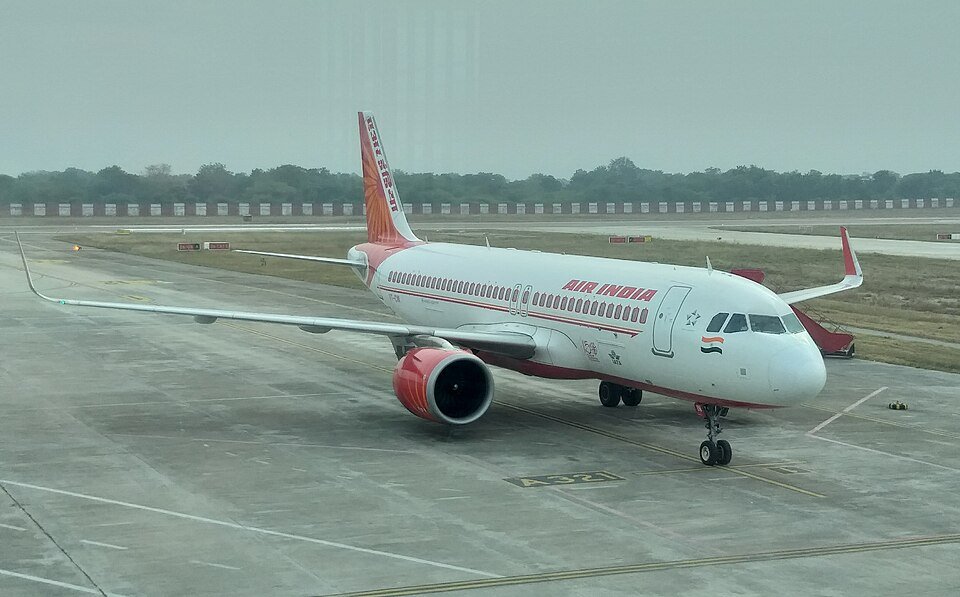
Image: Rishavnandi08 (Wikimedia)

New Delhi, India: The Aircraft Accident Investigation Bureau (AAIB) has raised a serious safety concern after its preliminary investigation into the August 4, 2026 accident involving Air India flight AI 2379 found that the 34-year-old Pilot-in-Command (PIC) tested non-negative for psychoactive substances in both the initial screening and subsequent laboratory confirmation. The Co-Pilot tested negative in both tests. The AAIB stated, “The confirmation of use of psycho-active substances is a serious concern and AAIB recommends appropriate actions by DGCA on priority.” It further recommended that “DGCA may take appropriate actions as deemed fit to prevent abuse of psycho-active substances.”

The investigation has also identified a major technical event involving the aircraft’s three hydraulic systems. Airbus and France’s Bureau of Enquiry and Analysis for Civil Aviation Safety (BEA) inspected the aircraft in Delhi from August 13 to August 15, 2026. Hydraulic components and fluid samples were recovered for detailed examination, while the Solid-State Flight Data Recorder (SSFDR) and Solid-State Cockpit Voice Recorder (SSCVR) were also secured for investigation. The aircraft had departed Phuket under Minimum Equipment List (MEL) item No. 29-23-01A for an inoperative Power Transfer Unit (PTU), which had been active since July 28, 2026.

The accident involved Air India flight AI 2379, an Airbus A320-251N registered VT-EXO, serial number 8470, manufactured in 2018. The aircraft was owned by Alafco Irish Aircraft Leasing Eight Limited and operated by M/s Air India Limited. The report was prepared for the Director General of the AAIB under the Ministry of Civil Aviation, Government of India.

The aircraft departed Phuket International Airport (VTSP), Thailand, for Indira Gandhi International Airport (VIDP), Delhi, at 01:41 UTC on August 4, 2026, with 145 people onboard, comprising 137 passengers, including three infants, six cabin crew and two flight crew. The PIC had 5,055:22 hours of total flying experience, while the Co-Pilot had 1,393:47 hours.

While cruising at FL360 over the Kolkata Flight Information Region at 21° 17 ‘22.02″N, 84° 56’ 18.276″E, the aircraft detected a loss of the Green hydraulic system at 04:02:43 UTC. Four seconds later, the Blue and Yellow hydraulic systems were also detected as lost. At 04:02:48 UTC, the autopilot disengaged and a Continuous Repetitive Chime sounded. A stall warning then activated for two seconds at 04:02:51 UTC, after which the Co-Pilot, who was the Pilot Flying, initiated corrective action before the PIC took control.

During the event, the aircraft climbed 372 feet above its assigned FL360 before descending 292 feet. The Blue hydraulic system recovered at 04:02:52 UTC, followed shortly by recovery of the Yellow and Green systems. Control-surface response was restored and the aircraft returned to normal flight.

The aircraft’s sudden movement injured 24 people, 20 passengers and four cabin crew. The seatbelt signs had been switched off during the cruise. The report recorded damage to ceiling panels at rows 5, 9, 10, 11, 18, 19, 20 and 27 to 29, along with dislocated Passenger Service Unit panels, broken handrails at rows 10 and 24, and overhead bins at rows 20 and 25 that were detached or dislodged from their hinges. The forward right-hand emergency exit (R2) handle was broken, the R4 crew swivel seat was bent and the Lavatory E commode was uprooted from its base.

The crew decided not to divert and continued toward Delhi while requesting medical priority from air traffic control. The aircraft landed safely on Runway 11L at 05:30 UTC, or 09:32 IST, and parked at 05:37 UTC. Airport medical personnel attended to all 24 injured people. Twenty were treated and discharged for minor injuries, while four people with serious injuries were hospitalized.

Following the flight, both pilots underwent Breath-Analyser testing, with satisfactory results. However, the subsequent psychoactive-substance testing of the PIC produced the non-negative initial and laboratory-confirmatory results that prompted the AAIB’s interim safety recommendation to the DGCA.
Leave a Comment

Subscribe to our Newsletter

Recent News

Aviation Today Perspectives