News
Civil Aviation
Pilot Training
Flight School Analysis
Aviation Jobs
Training
Services
About Us
Contact Us

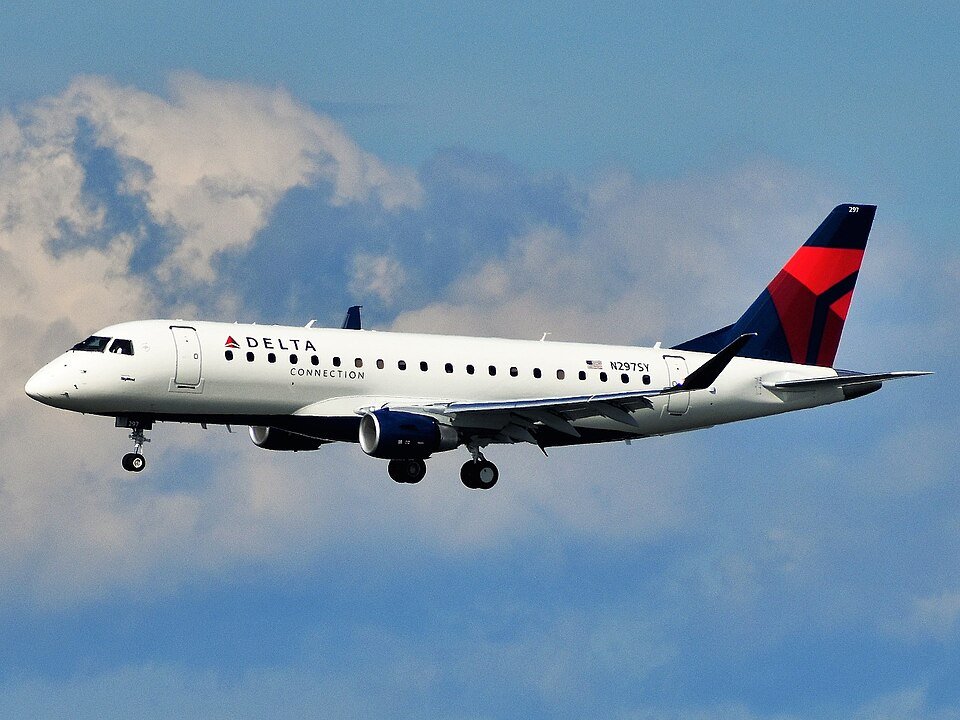
Delta Connection Flight DL5910 Makes Emergency Landing After Pressurization Failure 

Picture of Aviation Today News Desk

Aviation Today News Desk

from Boston to Columbus was forced to make an emergency diversion to Bradley International Airport in Connecticut after the crew reported a cabin pressurization issue shortly after reaching cruising altitude. The aircraft involved was an Embraer E175LR, registration N242JQ, operating as Delta Connection Flight DL5910 and flown by Republic Airways on behalf of Delta Air Lines. The regional jet departed Boston Logan International Airport at approximately 10:48 p.m. EDT on May 7, bound for John Glenn Columbus International Airport in Ohio. Flight-tracking data showed the aircraft climbing to around 37,000-38,000 feet before the crew detected what was later identified as a loss of cabin pressurization. The pilots subsequently declared an emergency and squawked transponder code 7700, the internationally recognized signal for an in-flight emergency. Following the alert, the aircraft initiated a rapid descent to approximately 10,000 feet, which is a standard emergency procedure during depressurization events to ensure passengers and crew can breathe safely without relying solely on supplemental oxygen systems. The flight diverted to Bradley International Airport (BDL) in Windsor Locks, Connecticut, where emergency services were placed on standby ahead of arrival. The Embraer E175 landed safely at around 11:45 p.m. EDT, less than one hour after departure from Boston. After landing, airport fire crews and technical teams reportedly inspected the aircraft on a taxiway before it proceeded to the ramp. Initial reports suggest responders examined the engines and airframe for possible structural or mechanical damage associated with the depressurization event. No visible external damage was identified during the initial inspection. No injuries were reported among passengers or crew members. The Federal Aviation Administration (FAA) is expected to investigate the incident to determine the cause of the pressurization anomaly.
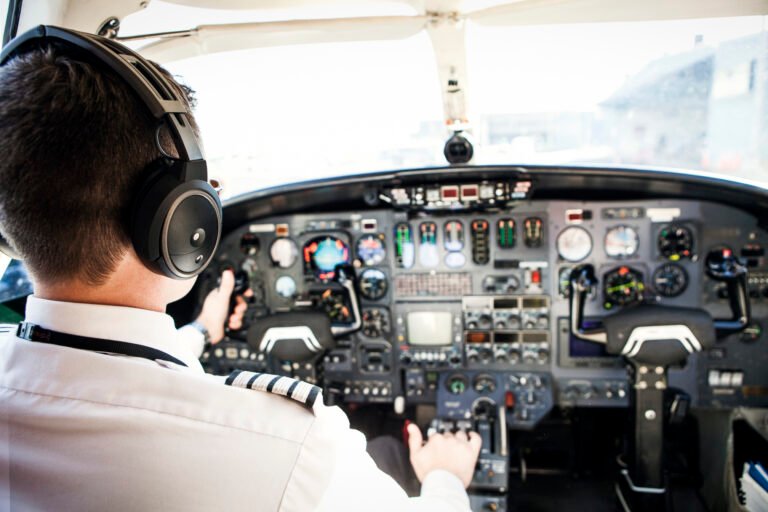
Image: Representational

Windsor Locks, United States: A Delta Connection flight operating from Boston to Columbus was forced to make an emergency diversion to Bradley International Airport in Connecticut after the crew reported a cabin pressurization issue shortly after reaching cruising altitude. 

The aircraft involved was an Embraer E175LR, registration N242JQ, operating as Delta Connection Flight DL5910 and flown by Republic Airways on behalf of Delta Air Lines. The regional jet departed Boston Logan International Airport at approximately 10:48 p.m. EDT on May 7, bound for John Glenn Columbus International Airport in Ohio.

Flight-tracking data showed the aircraft climbing to around 37,000-38,000 feet before the crew detected what was later identified as a loss of cabin pressurization. The pilots subsequently declared an emergency and squawked transponder code 7700, the internationally recognized signal for an in-flight emergency.

Following the alert, the aircraft initiated a rapid descent to approximately 10,000 feet, which is a standard emergency procedure during depressurization events to ensure passengers and crew can breathe safely without relying solely on supplemental oxygen systems. 

The flight diverted to Bradley International Airport (BDL) in Windsor Locks, Connecticut, where emergency services were placed on standby ahead of arrival. The Embraer E175 landed safely at around 11:45 p.m. EDT, less than one hour after departure from Boston.

After landing, airport fire crews and technical teams reportedly inspected the aircraft on a taxiway before it proceeded to the ramp. Initial reports suggest responders examined the engines and airframe for possible structural or mechanical damage associated with the depressurization event. No visible external damage was identified during the initial inspection.

No injuries were reported among passengers or crew members. The Federal Aviation Administration (FAA) is expected to investigate the incident to determine the cause of the pressurization anomaly.

Leave a Comment

Subscribe to our Newsletter

Recent News