Abuja, Nigeria: Nigeria’s domestic aviation sector has entered a fresh regulatory dispute after the Nigerian Civil Aviation Authority (NCAA) placed 11 airlines on a “No-Pay-No-Service” list over alleged unpaid statutory obligations, prompting strong denials from airline operators and raising concerns over potential operational disruptions across the country.
The directive, contained in an internal NCAA memo dated May 22, 2026, instructed all directorates and regional offices of the regulator not to provide services to affected airlines without clearance from the Directorate of Finance and Accounts. The memo was signed by Olufemi Odukoya, NCAA’s Director of Finance and Accounts, and copied to the Director-General of Civil Aviation (DGCA), Capt. Chris Najomo, along with senior officials within the authority.
The airlines named in the updated “No-Pay-No-Service” list are:
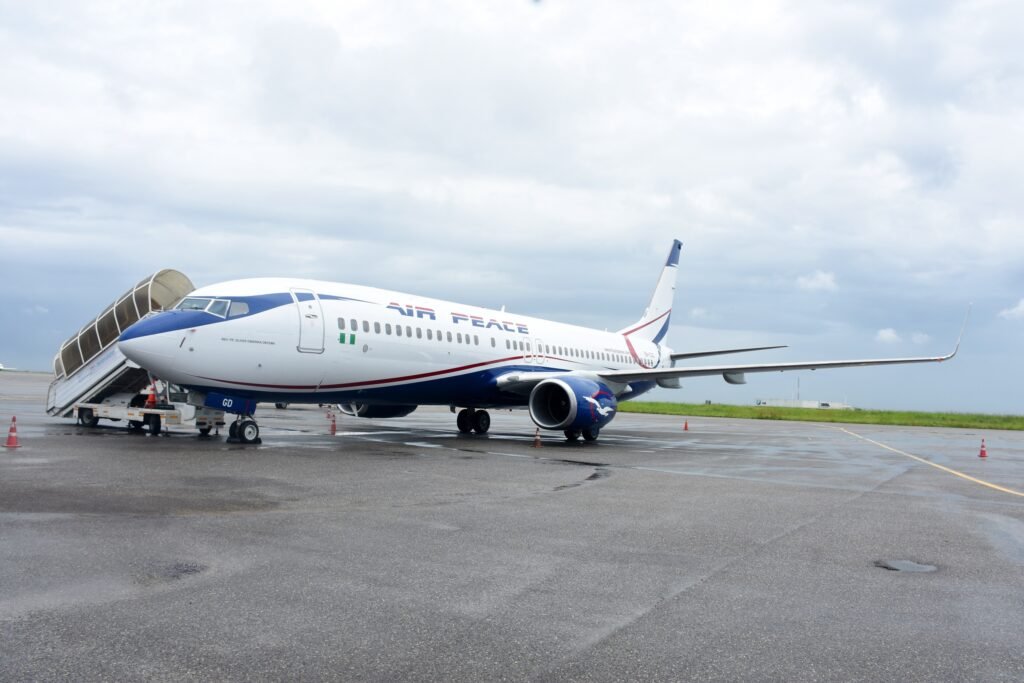
- Air Peace
- Ibom Air
- Arik Air
- United Nigeria Airlines
- Umza Air
- NG Eagle
- Max Air
- Caverton Helicopters
- Overland Airways
- Rano Air
- ValueJet
According to the memo, “no directorate should render any service to the above airlines without financial clearance from the Director of Finance and Accounts.” The NCAA argued that the move was necessary because airlines had failed to meet outstanding financial obligations owed to the regulator.
At the center of the dispute are the statutory five percent Ticket Sales Charge (TSC) and Cargo Sales Charge (CSC), levies collected by airlines on behalf of the NCAA from passengers and cargo operators. The regulator relies heavily on these remittances to fund safety oversight, inspections, personnel obligations, economic regulation and other administrative responsibilities within Nigeria’s aviation sector.
However, the Airline Operators of Nigeria (AON), representing domestic carriers, rejected the allegations and described reports suggesting airlines were indebted to the NCAA as inaccurate. According to the operators, many NCAA services are already paid for in advance under a “cash-before-service” arrangement, making the regulator’s characterization misleading. The airlines reportedly argued that the disputed amounts relate mainly to the Ticket Sales Charge collection system rather than direct service debts.
Industry operators also renewed calls for reforms to Nigeria’s aviation charging structure, urging the government to amend regulations so the NCAA can collect the five percent TSC directly from passengers instead of routing collections through airlines. Carriers argue that the current system exposes them to banking charges, reconciliation complications and financial pressure amid rising operational costs.
The latest dispute comes during a difficult financial period for Nigerian airlines, which continue to face mounting economic challenges driven by soaring Jet A1 fuel prices, foreign exchange shortages, high maintenance expenses, airport charges and weak profit margins.
In April 2026, domestic carriers had warned of possible operational shutdowns due to escalating fuel costs and debt burdens. Following negotiations with airline operators, Nigerian President Bola Tinubu approved, in principle, a 30 percent reduction or write-off of debts owed by airlines to aviation agencies as part of broader relief measures aimed at stabilizing the sector.
The ICIR reported that Tinubu approved the debt relief initiative on April 23, 2026, though implementation had not commenced as of late May. Explaining the delay, NCAA Director-General Capt. Chris Najomo stated that the process required consultations with airlines and aviation agencies before execution.
Another aviation consultant, Adeola Fadairo, defended the NCAA’s action, arguing that the Ticket Sales Charge belongs to the regulator and should not be retained by airlines to offset operational shortfalls. He described non-remittance of statutory levies as a serious breach of public trust and corporate responsibility.
Meanwhile, United Nigeria Airlines confirmed it had opened discussions with the NCAA regarding the matter, while several other affected airlines had not publicly commented at the time of reporting.
However, the NCAA later suspended enforcement of the “No-Pay-No-Service” directive following industry backlash and concerns that the move could disrupt airline operations, licensing processes and other regulatory services. The regulator said the temporary relief would allow further consultations with airlines and aviation stakeholders over the disputed Ticket Sales Charges and outstanding obligations.