News
Civil Aviation
Pilot Training
Flight School Analysis
Aviation Jobs
Training
Services
About Us
Contact Us

Air India Express Aircraft Damaged After Wrong Runway Alignment During Muscat Takeoff

Picture of Aviation Today News Desk

Aviation Today News Desk

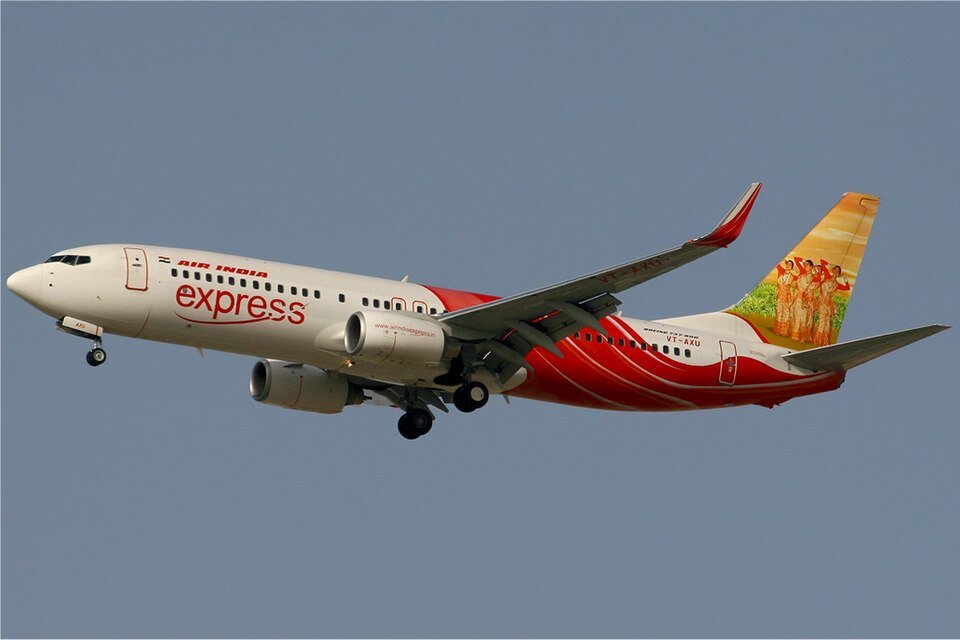
Muscat, Oman: An Air India Express Boeing 737-800 operating flight IX712 from Muscat to Kannur suffered significant damage during a nighttime takeoff attempt at Muscat International Airport on May 15 after the aircraft reportedly lined up with runway edge lights instead of the runway centreline, triggering a high-speed rejected takeoff and a formal accident investigation by Omani authorities. The incident came to public attention nearly nine days later, on May 24, after regulatory sources in Oman confirmed details of the occurrence. The 18-year-old Boeing 737-800 had been preparing to depart Muscat for the approximately three-hour service to Kannur on the night of May 15. During lineup for departure from Runway 26L, the aircraft allegedly tracked the right-hand runway edge lights rather than positioning itself on the runway centreline. As the aircraft accelerated for takeoff at approximately 9:10 pm local time after entering the runway via taxiway E7, the Boeing 737 struck multiple runway edge lights, destroying several of them during the takeoff roll. Flight crew reportedly aborted the takeoff after hearing a loud bang and receiving cockpit warnings. The aircraft sustained substantial damage during the incident. Reports stated that the nose landing gear was damaged, at least one tyre deflated, and hydraulic system leaks were observed after the rejected takeoff. Aviation sources also indicated that debris from shattered runway lights may have been ingested into the engines, potentially causing additional engine damage. The aircraft became disabled on the runway following the rejected takeoff, forcing passengers and crew to disembark directly onto the runway surface while emergency teams responded. However, authorities have not officially confirmed all operational details surrounding the evacuation sequence. The aircraft has reportedly remained grounded in Muscat since the incident while technical inspections and investigative work continue. Oman’s Air Accidents Investigation Sector (AAIS) has classified the occurrence as an “accident” rather than a minor incident, underlining the seriousness of the event. Investigators are now examining cockpit procedures, runway lighting conditions, pilot situational awareness, airport surface markings, and other operational factors that may have contributed to the alignment error during nighttime operations.
Image: Konstantin von Wedelstaedt (Flickr)

Muscat, Oman: An Air India Express Boeing 737-800 operating flight IX712 from Muscat to Kannur suffered significant damage during a nighttime takeoff attempt at Muscat International Airport on May 15 after the aircraft reportedly lined up with runway edge lights instead of the runway centreline, triggering a high-speed rejected takeoff and a formal accident investigation by Omani authorities.

The incident came to public attention nearly nine days later, on May 24, after regulatory sources in Oman confirmed details of the occurrence. The 18-year-old Boeing 737-800 had been preparing to depart Muscat for the approximately three-hour service to Kannur on the night of May 15. During lineup for departure from Runway 26L, the aircraft allegedly tracked the right-hand runway edge lights rather than positioning itself on the runway centreline.

As the aircraft accelerated for takeoff at approximately 9:10 pm local time after entering the runway via taxiway E7, the Boeing 737 struck multiple runway edge lights, destroying several of them during the takeoff roll. Flight crew reportedly aborted the takeoff after hearing a loud bang and receiving cockpit warnings.

The aircraft sustained substantial damage during the incident. Reports stated that the nose landing gear was damaged, at least one tyre deflated, and hydraulic system leaks were observed after the rejected takeoff. Aviation sources also indicated that debris from shattered runway lights may have been ingested into the engines, potentially causing additional engine damage.

The aircraft became disabled on the runway following the rejected takeoff, forcing passengers and crew to disembark directly onto the runway surface while emergency teams responded. However, authorities have not officially confirmed all operational details surrounding the evacuation sequence.

The aircraft has reportedly remained grounded in Muscat since the incident while technical inspections and investigative work continue.

Oman’s Air Accidents Investigation Sector (AAIS) has classified the occurrence as an “accident” rather than a minor incident, underlining the seriousness of the event. Investigators are now examining cockpit procedures, runway lighting conditions, pilot situational awareness, airport surface markings, and other operational factors that may have contributed to the alignment error during nighttime operations.

Leave a Comment

Subscribe to our Newsletter

Recent News