Singapore: Air India’s financial challenges are set to come under scrutiny in Singapore, with Workers’ Party MP Kenneth Tiong Boon Kiat seeking parliamentary answers over Singapore Airlines’ (SIA) potential involvement in any further funding for the Indian carrier.
Tiong has opposed any future use of Temasek-linked funds to support Air India through SIA, which holds a 25.1% stake in the airline. In a letter to Singapore Transport Minister Jeffrey Siow, he questioned whether Air India’s losses have been assessed against SIA’s capacity to provide essential transport services and whether they trigger any notification obligations under Singapore’s Civil Aviation Authority Act. Tiong has formally asked the Singapore Transport Minister to answer his questions orally in Parliament on September 8, 2026.
Tiong argued that the issue extends beyond private shareholders because Temasek Holdings, Singapore’s state-linked investment company, is SIA’s largest shareholder. He said he would not support the future use of Temasek funds to support Air India through SIA, arguing that any further investment should be made by Singapore Airlines independently.
The parliamentary scrutiny comes as SIA has publicly responded to questions over whether it would provide additional capital to Air India. An SIA spokesperson told Press Trust Of India (PTI) that the airline’s board would “carefully consider” any requests for additional capital, taking into account the Singapore Airlines Group’s other capital requirements and Air India’s business strategy. The spokesperson also said SIA follows a disciplined capital-allocation process covering operating cash flow, investments in new aircraft and products, and multi-hub investments such as Air India, with the aim of supporting sustainable long-term growth and returns.
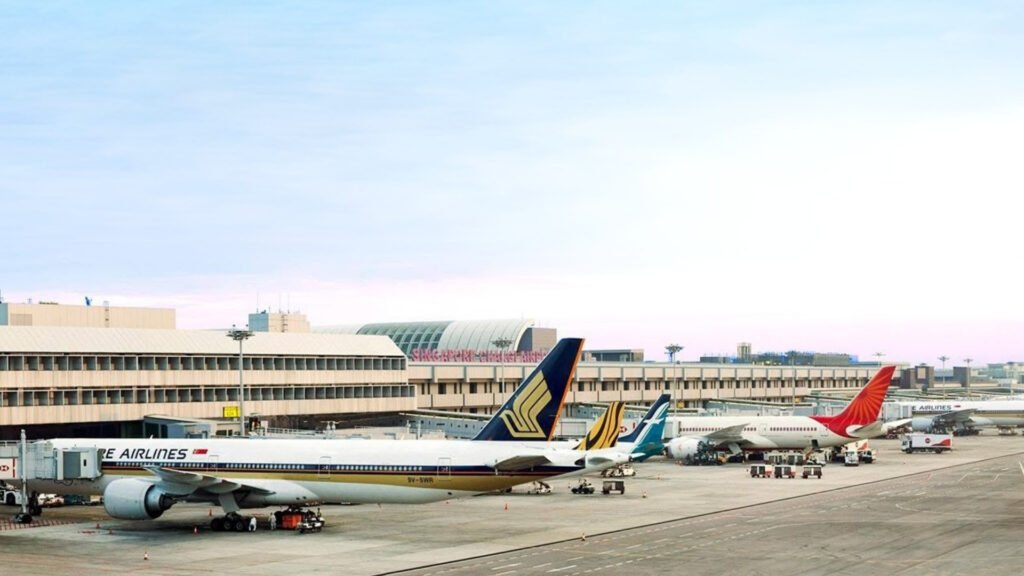
SIA’s position is consistent with its earlier statements that Air India remains a core part of its long-term India strategy. The airline holds 25.1% of Air India, with Tata Sons holding the remaining 74.9%, and has described the investment as a cornerstone of its multi-hub strategy.
The latest controversy follows reports that Air India has sought around $1.5 billion in additional equity from Tata Sons and SIA as it continues its transformation. Discussions are reportedly ongoing, with no final decision on the proposed funding.
Air India’s financial performance has added to the scrutiny. Air India and Air India Express recorded combined losses of about $2.33 billion in FY2026, more than double the previous year, while SIA’s FY2026 net profit fell 57% to S$1.184 billion. SIA has also recorded losses associated with its Air India investment.
The debate comes as Tata Sons Chairman N Chandrasekaran has said Air India’s transformation should be viewed as a five- to 10-year journey. Meanwhile, Air India has appointed former Ethiopian Airlines Group chief Tewolde Gebremariam as its next CEO and managing director.
With Tiong’s parliamentary question scheduled for September 8, 2026 and SIA saying its board will assess any additional capital request against its wider financial requirements and Air India’s strategy, the issue is now moving beyond a corporate funding discussion into Singapore’s public and parliamentary sphere.