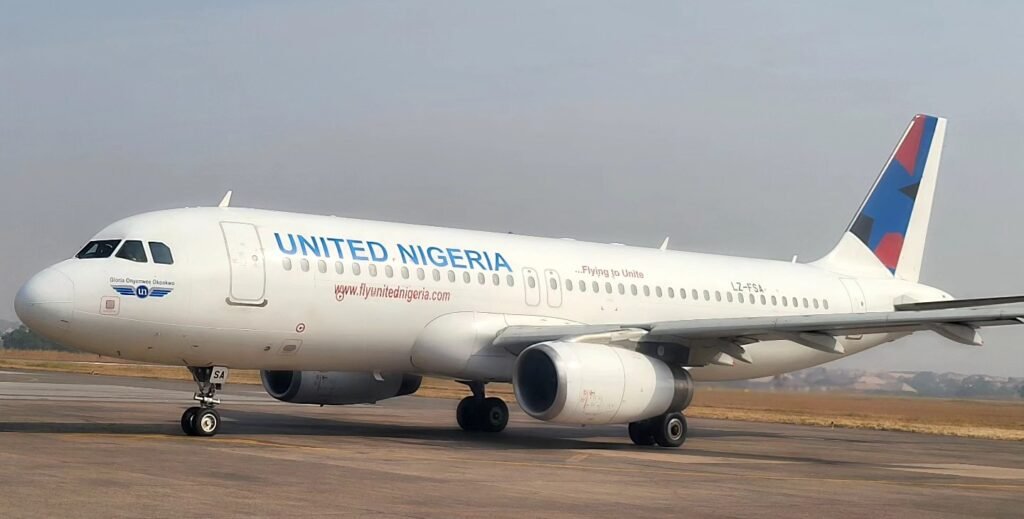
Lagos, Nigeria: Nigeria’s aviation sector is facing a storm of criticism after the federal government approved a new $11.50 security levy on all international flight tickets, a move expected to generate nearly $1 billion over two decades but which airlines and travel groups have denounced as yet another burden on passengers.
The new charge, announced by the Nigeria Civil Aviation Authority (NCAA), will take effect from December 1, 2025, applying to both inbound and outbound international tickets. With this addition, total security-related fees on international flights will rise to $31.50 per passenger.
According to the NCAA, the revenue will fund the rollout of the Advance Passenger Information System (APIS), a digital data platform designed to enhance border control, detect security threats, and speed up passenger processing.
Officials say the APIS project will integrate multiple airport agencies into a single digital interface, allowing Nigeria to align with global aviation security standards.
“This initiative is crucial for enhancing national security and complying with international best practices,” an NCAA spokesperson said, noting that the levy would support infrastructure and software maintenance for the system.
However, the decision has triggered widespread pushback from airlines, travel agents, and passenger groups, who describe the levy as “multiple taxation” that will worsen Nigeria’s already high air-travel costs.
The National Association of Nigeria Travel Agencies (NANTA) warned that the move could drive passengers to book cheaper routes through neighbouring countries such as Ghana or Benin, eroding Nigeria’s competitiveness as a regional hub.
“Nigerian travellers are already over-taxed. This additional $11.50 per ticket adds no visible benefit to the flying public,” a NANTA official told Daily Trust.
Industry analysts also expressed concern that the policy might deter international traffic and harm tourism recovery at a time when the economy remains fragile.
The levy could yield up to $46 million annually, which the NCAA argues will cover technology costs and data-sharing obligations with global partners. But critics question whether the money will be transparently managed, given past controversies surrounding aviation revenue remittances.
Aviation consultant Chinedu Eze said, “Nigeria’s aviation charges are among the highest in Africa. This policy risks pricing the country out of regional competition if not reviewed.”
Stakeholders have called on the Ministry of Aviation and Aerospace Development to suspend the implementation pending further consultation. If enforced in December, the new levy will appear as a separate line item in ticket breakdowns issued by international airlines operating in Nigeria.