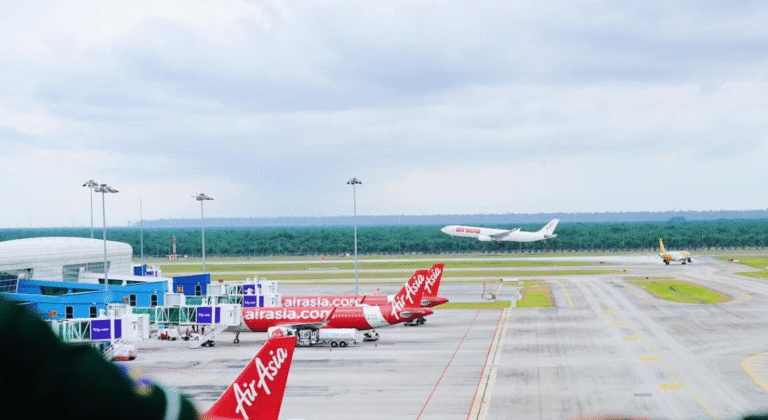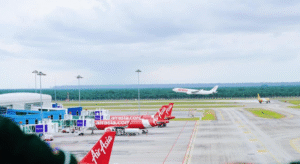
Singapore: The Asia-Pacific region has officially surpassed its pre-pandemic aviation capacity, marking a significant milestone in the industry’s recovery from COVID-19. According to aviation data provider OAG, total seat capacity in the region now stands 0.5% higher than in 2019, driven primarily by robust domestic markets in countries such as India, China, and Indonesia.
Independent aviation analyst Brendan Sobie described the rebound as “delayed but now very strong,” emphasizing that Asia-Pacific’s recovery trailed behind other global markets due to prolonged travel restrictions and uneven reopening policies. However, once borders reopened, pent-up demand for air travel surged, supported by economic resilience and a growing middle-class population.
“The younger population and the expanding middle class are fundamental drivers of aviation growth in this region,” Sobie said. “These demographic factors are creating long-term, sustainable demand for air travel.”
Domestic travel has been the engine behind the region’s growth. Data from OAG shows that China’s domestic capacity is 14% higher than 2019 levels, while India’s domestic seat capacity is up by 13%, reflecting the strength of internal connectivity and economic activity.
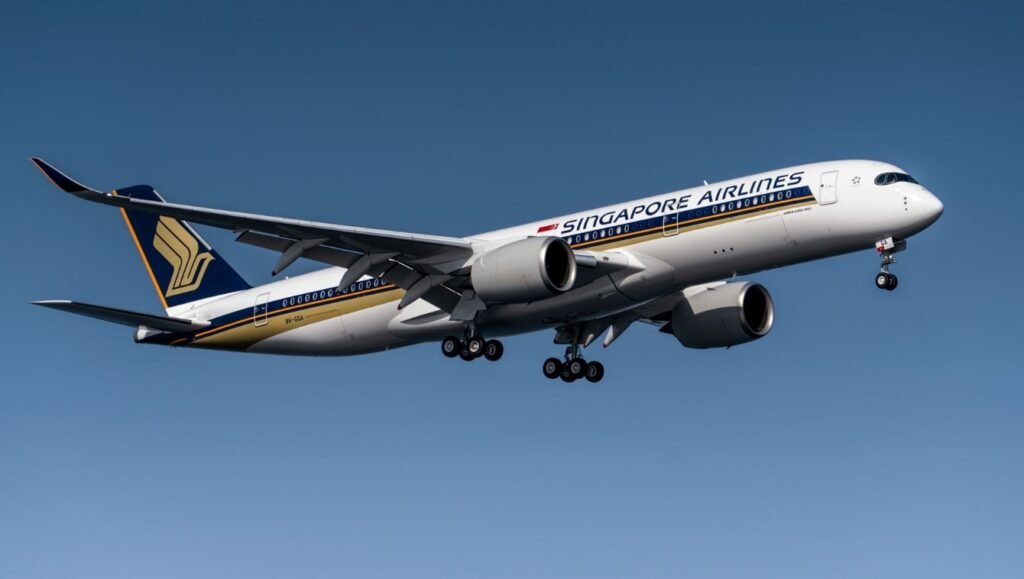
Singapore Airlines, Cathay Pacific, and China Eastern are leading the growth in international seat capacity. Singapore Airlines is one of three Asia-Pacific carriers that have exceeded their 2019 international capacity, operating 14.1% more seats than in 2024. The other two are Scoot (+13.8%) and EVA Airways (+4.5%).
The ticket prices across the region have dropped because of rapid capacity growth and tougher competition. Fares on 17 of the 20 fastest-growing routes have fallen by over 20%, with Bangkok–Shanghai (BKK–PVG) seeing the steepest decline of 71% year-on-year.
Even as international capacity continues to recover more gradually, the rapid expansion of domestic networks has allowed airlines to stabilize operations and rebuild financial strength.
The recovery is also being shaped by rapid technological transformation across airlines and airports. In Singapore, Scoot, the low-cost subsidiary of Singapore Airlines, has embraced digital solutions to improve operational efficiency. The airline’s virtual Operations Command Center (OCC), developed in partnership with OutSystems, enables real-time monitoring of flight operations and proactive disruption management.
According to Leonard Tan, Regional Vice President at OutSystems, the system has improved data visibility by 90% and reduced manual processing by 60%, allowing Scoot to respond faster to operational challenges. “By digitizing core operational workflows, airlines can make better decisions, reduce costs, and enhance passenger experience,” Tan explained.
The Asia-Pacific region’s aviation growth is now outpacing global averages, reflecting both market resilience and structural shifts toward efficiency. As emerging economies expand and infrastructure improves, analysts expect further growth in capacity and connectivity across the region.
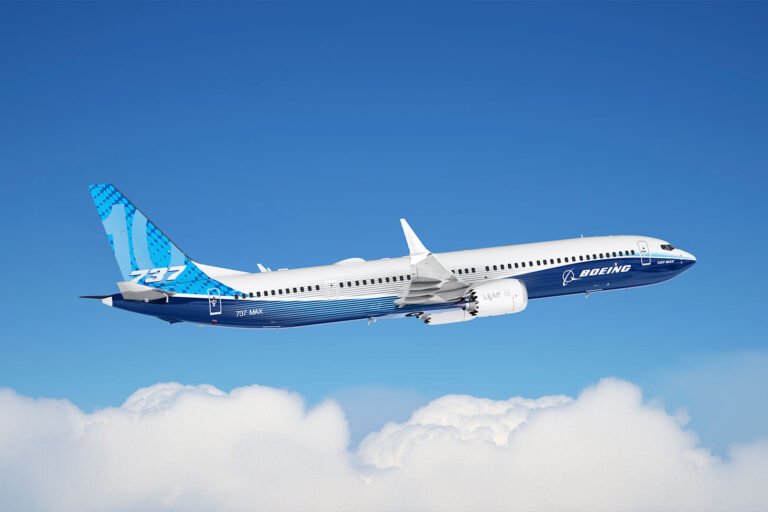
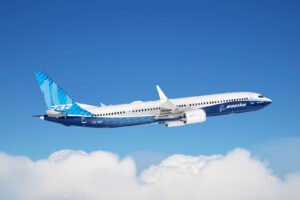
![Washington, United States: A United Airlines flight bound for Guatemala City made an emergency diversion to Washington Dulles International Airport after a passenger allegedly attempted to open a cabin door at cruising altitude and assaulted another traveler, according to air traffic control communications and federal authorities. The incident involved United Airlines Flight 1551, operated by a Boeing 737 MAX 8, which departed from Newark Liberty International Airport on Thursday evening carrying 145 passengers and six crew members. The aircraft had been en route to Guatemala City when the crew declared an emergency and diverted to Washington Dulles International Airport in Virginia. According to audio between the flight crew and air traffic controllers, the pilot informed controllers that the disruptive passenger attempted to open Door 2L while the aircraft was cruising at approximately 36,000 feet. The pilot also reported that the passenger later assaulted another individual onboard. During the exchange, the tower asked the crew which door the passenger had attempted to access. The pilot responded: “Door 2L at 36,000 feet and then [the passenger] assaulted a fellow passenger.” When controllers asked whether there were any injuries onboard, the pilot replied: “Not to our knowledge.” The aircraft landed safely at Washington Dulles at approximately 8:38 p.m. local time. Law enforcement and emergency personnel met the aircraft upon arrival. The FBI later confirmed that agents responded to the incident at the airport, although the agency did not immediately release additional details regarding the passenger’s identity, possible charges, or whether the individual was taken into federal custody. Flight tracking data showed the aircraft remained airborne for a period before diverting toward the Washington region instead of continuing south toward Guatemala. The diversion temporarily disrupted the scheduled international service but no injuries among passengers or crew were officially reported. United Airlines had not issued a detailed public statement at the time of publication regarding the circumstances surrounding the diversion or the status of the passenger involved. Federal authorities are expected to review crew reports, passenger statements, and onboard evidence as part of the investigation.](https://aviationtoday.in/wp-content/uploads/2026/05/AVIATION-TODAY-UNITEDV-AIRLINES-RUDE-PASSENGER-768x432.jpg)


![Washington, United States: A United Airlines flight bound for Guatemala City made an emergency diversion to Washington Dulles International Airport after a passenger allegedly attempted to open a cabin door at cruising altitude and assaulted another traveler, according to air traffic control communications and federal authorities. The incident involved United Airlines Flight 1551, operated by a Boeing 737 MAX 8, which departed from Newark Liberty International Airport on Thursday evening carrying 145 passengers and six crew members. The aircraft had been en route to Guatemala City when the crew declared an emergency and diverted to Washington Dulles International Airport in Virginia. According to audio between the flight crew and air traffic controllers, the pilot informed controllers that the disruptive passenger attempted to open Door 2L while the aircraft was cruising at approximately 36,000 feet. The pilot also reported that the passenger later assaulted another individual onboard. During the exchange, the tower asked the crew which door the passenger had attempted to access. The pilot responded: “Door 2L at 36,000 feet and then [the passenger] assaulted a fellow passenger.” When controllers asked whether there were any injuries onboard, the pilot replied: “Not to our knowledge.” The aircraft landed safely at Washington Dulles at approximately 8:38 p.m. local time. Law enforcement and emergency personnel met the aircraft upon arrival. The FBI later confirmed that agents responded to the incident at the airport, although the agency did not immediately release additional details regarding the passenger’s identity, possible charges, or whether the individual was taken into federal custody. Flight tracking data showed the aircraft remained airborne for a period before diverting toward the Washington region instead of continuing south toward Guatemala. The diversion temporarily disrupted the scheduled international service but no injuries among passengers or crew were officially reported. United Airlines had not issued a detailed public statement at the time of publication regarding the circumstances surrounding the diversion or the status of the passenger involved. Federal authorities are expected to review crew reports, passenger statements, and onboard evidence as part of the investigation.](https://aviationtoday.in/wp-content/uploads/2026/05/AVIATION-TODAY-UNITEDV-AIRLINES-RUDE-PASSENGER-300x169.jpg)