News
Civil Aviation
Pilot Training
Flight School Analysis
Aviation Jobs
Training
Services
About Us
Contact Us

Qatar Airways Reports $1.94 Billion Annual Profit Despite Middle East Turmoil 

Picture of Aviation Today News Desk

Aviation Today News Desk

Doha, Qatar: Qatar Airways posted a net profit of QAR 7.08 billion ($1.94 billion) for the 2025/26 financial year, overcoming one of the most challenging operating environments faced by Gulf carriers in recent years as regional conflict disrupted air travel across the Middle East. The airline group’s annual earnings declined more than 7% compared with the previous fiscal year, when it had reported a record QAR 7.8 billion ($2.1 billion) profit. However, the latest results still rank among the strongest in the carrier’s history, reflecting resilient passenger demand, strong cargo performance, and operational stability despite widespread geopolitical disruption. The state-owned airline said the financial year ending March 31, 2026, was heavily impacted during its final quarter by escalating regional tensions linked to the Iran conflict, which triggered temporary airspace closures, flight diversions, schedule disruptions, and higher operating costs across the Gulf aviation sector. The crisis forced airlines throughout the region to cancel thousands of flights and reroute aircraft, creating the most significant operational disruption for Middle Eastern carriers since the COVID-19 pandemic. Despite those challenges, Qatar Airways carried more than 41.8 million passengers during the fiscal year through its Doha hub at Hamad International Airport. Passenger traffic was slightly lower than the 43.1 million travelers recorded a year earlier, reflecting the impact of regional instability during the final months of the reporting period. Cargo operations remained a major contributor to the airline’s financial performance. Qatar Airways Cargo transported more than 1.43 million tonnes of chargeable freight during the year and maintained a 12% share of the global air cargo market, reinforcing its position as one of the world’s largest international freight carriers. Chief Executive Officer Hamad Al-Khater described the financial year as a period that tested both the airline’s commercial strength and operational resilience. He said the company’s performance demonstrated the strength of its balance sheet, partnerships, and workforce despite operating under “genuine pressure” during the regional crisis. The airline said approximately 57,800 employees across more than 90 countries supported operations throughout the crisis period, particularly during the final weeks of the financial year when regional airspace disruptions intensified. Operationally, Qatar Airways maintained an on-time performance rate of 86%, placing it among the world’s top five most punctual airlines, according to Cirium rankings. The carrier also received the Cirium Platinum Award for Operational Excellence during the reporting period. The airline continued expanding its long-haul connectivity and technology offerings during the fiscal year. Qatar Airways said it now operates the world’s largest Starlink-equipped widebody fleet, with onboard high-speed internet services available on Boeing 777, Airbus A350, and Boeing 787-8 aircraft. In one of the aviation industry’s biggest fleet commitments, the airline group also signed agreements with Boeing and GE Aerospace covering up to 210 aircraft and 400 engines. The agreements are among the largest widebody aircraft and engine deals in commercial aviation history. The airline is now focused on rebuilding capacity and restoring network connectivity following the regional disruptions. Executives said Qatar Airways plans to expand its network to more than 160 destinations by summer 2026 as Gulf carriers gradually restore schedules impacted by the conflict.
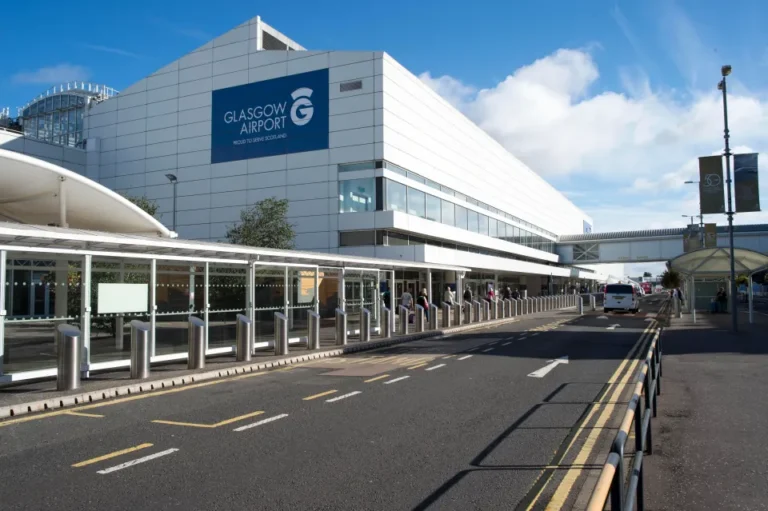
Image: Qatar Airways

Doha, Qatar: Qatar Airways posted a net profit of QAR 7.08 billion ($1.94 billion) for the 2025/26 financial year, overcoming one of the most challenging operating environments faced by Gulf carriers in recent years as regional conflict disrupted air travel across the Middle East.

The airline group’s annual earnings declined more than 7% compared with the previous fiscal year, when it had reported a record QAR 7.8 billion ($2.1 billion) profit. However, the latest results still rank among the strongest in the carrier’s history, reflecting resilient passenger demand, strong cargo performance, and operational stability despite widespread geopolitical disruption.

The state-owned airline said the financial year ending March 31, 2026, was heavily impacted during its final quarter by escalating regional tensions linked to the Iran conflict, which triggered temporary airspace closures, flight diversions, schedule disruptions, and higher operating costs across the Gulf aviation sector. The crisis forced airlines throughout the region to cancel thousands of flights and reroute aircraft, creating the most significant operational disruption for Middle Eastern carriers since the COVID-19 pandemic.

Despite those challenges, Qatar Airways carried more than 41.8 million passengers during the fiscal year through its Doha hub at Hamad International Airport. Passenger traffic was slightly lower than the 43.1 million travelers recorded a year earlier, reflecting the impact of regional instability during the final months of the reporting period.

Cargo operations remained a major contributor to the airline’s financial performance. Qatar Airways Cargo transported more than 1.43 million tonnes of chargeable freight during the year and maintained a 12% share of the global air cargo market, reinforcing its position as one of the world’s largest international freight carriers.

Chief Executive Officer Hamad Al-Khater described the financial year as a period that tested both the airline’s commercial strength and operational resilience. He said the company’s performance demonstrated the strength of its balance sheet, partnerships, and workforce despite operating under “genuine pressure” during the regional crisis.

The airline said approximately 57,800 employees across more than 90 countries supported operations throughout the crisis period, particularly during the final weeks of the financial year when regional airspace disruptions intensified.

Operationally, Qatar Airways maintained an on-time performance rate of 86%, placing it among the world’s top five most punctual airlines, according to Cirium rankings. The carrier also received the Cirium Platinum Award for Operational Excellence during the reporting period.

The airline continued expanding its long-haul connectivity and technology offerings during the fiscal year. Qatar Airways said it now operates the world’s largest Starlink-equipped widebody fleet, with onboard high-speed internet services available on Boeing 777, Airbus A350, and Boeing 787-8 aircraft.

In one of the aviation industry’s biggest fleet commitments, the airline group also signed agreements with Boeing and GE Aerospace covering up to 210 aircraft and 400 engines. The agreements are among the largest widebody aircraft and engine deals in commercial aviation history.

The airline is now focused on rebuilding capacity and restoring network connectivity following the regional disruptions. Executives said Qatar Airways plans to expand its network to more than 160 destinations by summer 2026 as Gulf carriers gradually restore schedules impacted by the conflict.

Leave a Comment

Subscribe to our Newsletter

Recent News