Washington, United States: The sharp surge in global jet fuel prices triggered by the Iran conflict and Strait of Hormuz disruptions has pushed airlines worldwide into one of their biggest operational and financial crises since the COVID-19 pandemic, forcing carriers to raise fares, cut capacity, revise earnings forecasts and seek government support as fuel supply chains tighten across Asia, Europe and North America.
U.S. airlines alone spent more than US$5 billion on jet fuel in March 2026, marking a 56% increase, or roughly US$1.8 billion higher than February levels, according to data released by the U.S. Transportation Department. Average jet fuel prices climbed to US$3.13 per gallon during the month while overall fuel consumption also rose nearly 20%, significantly worsening airline operating costs.
The crisis has been largely linked to escalating geopolitical tensions involving Iran, disruptions to shipping through the Strait of Hormuz, and tightening global refined fuel supplies. The strategic waterway normally carries about 20% of global crude and refined petroleum flows, making it one of the world’s most critical energy chokepoints. Since the conflict intensified, tanker movements and crude shipments have been severely disrupted, creating major shortages in aviation fuel markets worldwide.
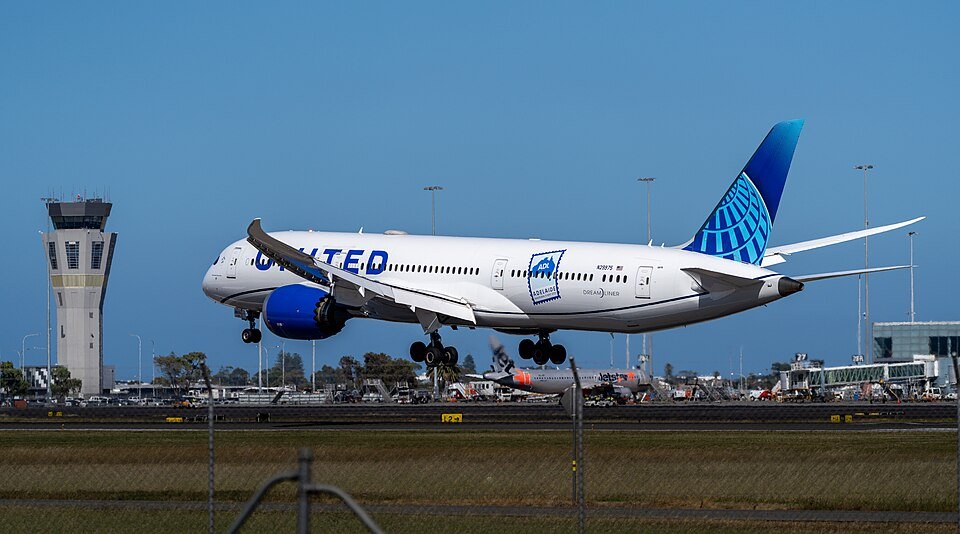
The airlines globally have begun implementing emergency measures to contain mounting fuel expenses. Several carriers have increased ticket prices, reduced flight frequencies and delayed expansion plans as jet fuel costs surged to levels not seen in years. United Airlines warned that fares may need to rise by as much as 15% to 20% to offset fuel-related pressures.
European and Asia-Pacific airlines have also been severely affected. Lufthansa projected a €1.7 billion increase in fuel costs, while Qantas stated it was closely monitoring the fuel spike despite maintaining hedging protections. Scandinavian carrier SAS canceled nearly 1,000 flights in response to soaring operational expenses.
The impact has extended beyond airline balance sheets into broader aviation markets. Frontier Airlines said it expected to absorb demand from customers displaced after the collapse of Spirit Airlines, whose shutdown was partly attributed to surging fuel costs and failed bailout efforts. U.S. airlines had sought approximately US$2.5 billion in government relief amid the worsening fuel crisis, although Transportation Secretary Sean Duffy said the industry still had access to liquidity and did not currently require a full-scale federal bailout.
Supply-side disruptions have intensified concerns over prolonged instability in jet fuel markets. Reuters columnist Clyde Russell reported that Asia’s refined fuel exports plunged sharply following the effective closure of the Strait of Hormuz.
Jet fuel exports from the region fell to about 596,000 barrels per day in April from 1.54 million barrels previously, marking the lowest level since at least 2017. Major declines were recorded from India, China and the United Arab Emirates.
Singapore jet fuel prices surged roughly 70% to nearly US$159 per barrel as inventories tightened across the region. Diesel and gasoline exports also dropped to multi-year lows, reflecting widespread refinery disruptions caused by declining crude availability and shipping bottlenecks. Asian refiners have reportedly struggled to secure sufficient crude supplies as imports fell to a 10-year low.
The airline and tourism sectors have simultaneously faced operational challenges from rerouting aircraft away from conflict zones in the Middle East. Many airlines suspended or diverted flights across the region while insurance and operating costs climbed sharply. Airline shares in Europe and Asia also fell amid investor concerns over weakening profitability and slowing travel demand.