London, United Kingdom: A rapidly escalating jet fuel crisis, triggered by geopolitical tensions in the Middle East and disruption to oil flows through the Strait of Hormuz, is forcing airlines worldwide to cut flights, ground aircraft and reassess summer schedules. Industry leaders warn that the situation could worsen significantly by late May if supply constraints persist.
The crisis has tightened global jet fuel availability and driven prices sharply higher, placing immediate financial and operational pressure on carriers. Airlines have begun responding with capacity reductions and targeted cancellations, particularly on short-haul and less profitable routes.
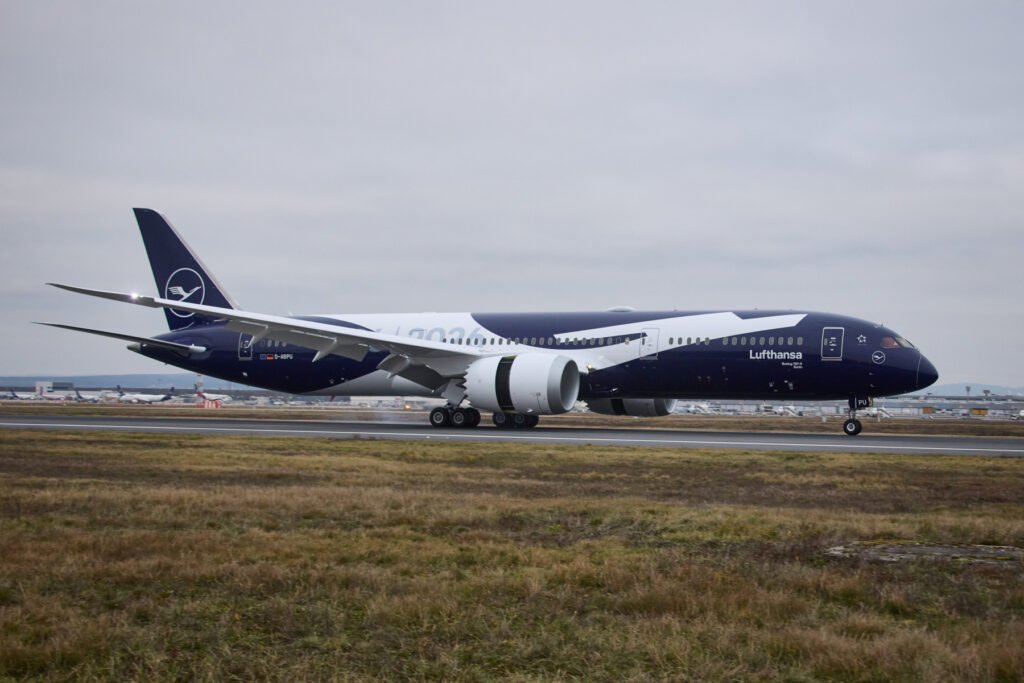
Germany’s Lufthansa has announced one of the most significant responses so far, cancelling approximately 20,000 short-haul flights through October 2026 in a bid to conserve fuel. The airline has also grounded aircraft and removed 27 regional jets from active schedules. Meanwhile, Dutch carrier KLM has cancelled more than 150 to 160 European flights equivalent to around 80 return services while also suspending services to Dubai until mid-June due to rising fuel costs.
Several other airlines are reported to be making adjustments or preparing contingency measures, including Ryanair, easyJet, SAS, Aer Lingus, Edelweiss Air, AirAsia, Vietnam Airlines, VietJet, Bamboo Airways and Air Canada.
Low-cost giants Ryanair and easyJet have not yet implemented large-scale cancellations but have warned that disruptions could begin from mid-May if fuel shortages intensify. Both carriers are currently maintaining normal operations, supported by hedged fuel reserves, though executives caution that prolonged instability could lead to network reductions, fare increases and schedule adjustments.
A spokesperson for Airlines UK said: “Airlines continue to operate normally and are not experiencing issues with jet fuel supply but as you would expect we remain in close contact with the Department for Transport given the current external environment.
“It is vital that the government take the right actions now to ensure the continuation of supply, as well as support the UK aviation industry, which has been impacted by record high jet fuel prices, and that includes providing additional flexibility.”
The broader aviation industry is also seeking regulatory relief. Airlines across the United Kingdom have urged governments to temporarily suspend flight taxes and environmental levies, relax night flight restrictions and slot usage rules, and classify fuel-related disruptions as “extraordinary circumstances” to limit compensation liabilities.
Willie Walsh, the director general of the global airlines body Iata, said: “Along with doing everything possible to secure alternative supply lines, it’s important that authorities have well-communicated and well-coordinated plans in place in case rationing becomes necessary, including for slot relief.”
Supply concerns remain acute. Industry estimates suggest Europe may have as little as six weeks of jet fuel available if current disruptions continue. The region relies heavily on imports, sourcing roughly 30–40% of its jet fuel externally, with a significant portion originating from the Middle East. This dependency has amplified the impact of the ongoing geopolitical crisis.
The International Air Transport Association (IATA) has warned that broader flight cancellations could begin by late May, potentially affecting peak summer travel across Europe. Airlines are already feeling the financial impact, with jet fuel prices rising sharply in line with crude oil benchmarks and significantly increasing operating costs.
For passengers, the effects are beginning to surface. Airfares are rising, with some long-haul ticket prices increasing by more than $100 on average. Airlines are introducing fuel surcharges, reducing flight frequencies on select routes and warning of possible short-notice schedule changes. While most existing bookings remain secure for now, the risk of disruption is expected to grow if the crisis extends into June.
Despite reassurances from some regulators that no immediate physical shortage exists, airlines continue to prepare for a volatile period ahead. Contingency measures, including fuel conservation strategies and potential rationing scenarios, are under discussion across the industry.