News
Civil Aviation
Pilot Training
Flight School Analysis
Aviation Jobs
Training
Services
About Us
Contact Us

UK’s Ascend Airways Ceases Operations Amid Rising Jet Fuel Costs & Contract Shortfall

Picture of Aviation Today News Desk

Aviation Today News Desk

London, United Kingdom: The UK-based ACMI (Aircraft, Crew, Maintenance, Insurance) operator Ascend Airways has ceased all operations and entered liquidation, marking a sudden collapse in the country’s niche wet-lease aviation segment. The airline halted flying in late April 2026, with its final operated service landing safely at London Stansted Airport before management confirmed the shutdown. Shortly thereafter, the carrier surrendered its Air Operator’s Certificate (AOC) to the UK Civil Aviation Authority, formally ending its ability to operate commercial flights. Industry reports indicate that the airline’s collapse followed a sustained period of financial strain. Ascend Airways had reportedly been incurring losses of approximately £3 million per month, driven by high fixed operating costs and limited aircraft utilisation. The situation worsened after the carrier failed to secure sufficient ACMI contracts for the upcoming Summer 2026 season, a critical revenue period for wet-lease operators. The ACMI business model, which depends heavily on short-term leasing agreements with other airlines, left Ascend particularly exposed to fluctuations in demand. Without confirmed contracts, aircraft remained underutilised while lease and maintenance costs continued to accrue. Rising jet fuel prices, influenced by ongoing geopolitical tensions, further compounded the airline’s financial difficulties. As a UK AOC holder, Ascend also faced higher regulatory and operational costs compared to competitors operating under European Union jurisdictions. Additional pressure came from reported technical issues affecting Boeing 737 MAX aircraft powered by CFM LEAP engines. These issues reduced fleet availability and increased maintenance burdens at a time when operational reliability was critical to securing contracts. At the time of its closure, Ascend Airways operated a fleet of seven aircraft, comprising six Boeing 737 MAX 8 jets and one Boeing 737-800. Following the liquidation, aircraft are being returned to lessors. The collapse has affected approximately 160 employees, including flight crew and operational staff, with job losses expected across the organisation. Ascend Airways was part of Avia Solutions Group, a Lithuania-based aviation services group that operates multiple ACMI and charter airlines worldwide. The group has been expanding its footprint globally, including the development of a separate Malaysian-based affiliate, though this entity is distinct from the UK airline that has now ceased operations. The airline’s collapse reflects wider pressures within the ACMI sector. An oversupply of wet-lease capacity, combined with rising costs and tightening margins, has made it increasingly difficult for smaller operators to remain viable.
Image: Ascend Airways

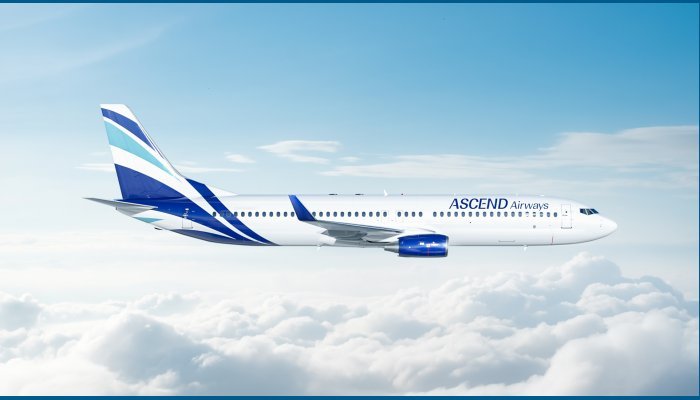
London, United Kingdom: The UK-based ACMI (Aircraft, Crew, Maintenance, Insurance) operator Ascend Airways has ceased all operations and entered liquidation, marking a sudden collapse in the country’s niche wet-lease aviation segment.

The airline halted flying in late April 2026, with its final operated service landing safely at London Stansted Airport before management confirmed the shutdown. Shortly thereafter, the carrier surrendered its Air Operator’s Certificate (AOC) to the UK Civil Aviation Authority, formally ending its ability to operate commercial flights.

Industry reports indicate that the airline’s collapse followed a sustained period of financial strain. Ascend Airways had reportedly been incurring losses of approximately £3 million per month, driven by high fixed operating costs and limited aircraft utilisation. The situation worsened after the carrier failed to secure sufficient ACMI contracts for the upcoming Summer 2026 season, a critical revenue period for wet-lease operators.

The ACMI business model, which depends heavily on short-term leasing agreements with other airlines, left Ascend particularly exposed to fluctuations in demand. Without confirmed contracts, aircraft remained underutilised while lease and maintenance costs continued to accrue.

Rising jet fuel prices, influenced by ongoing geopolitical tensions, further compounded the airline’s financial difficulties. As a UK AOC holder, Ascend also faced higher regulatory and operational costs compared to competitors operating under European Union jurisdictions.

Additional pressure came from reported technical issues affecting Boeing 737 MAX aircraft powered by CFM LEAP engines. These issues reduced fleet availability and increased maintenance burdens at a time when operational reliability was critical to securing contracts.

At the time of its closure, Ascend Airways operated a fleet of seven aircraft, comprising six Boeing 737 MAX 8 jets and one Boeing 737-800. Following the liquidation, aircraft are being returned to lessors.

The collapse has affected approximately 160 employees, including flight crew and operational staff, with job losses expected across the organisation.

Ascend Airways was part of Avia Solutions Group, a Lithuania-based aviation services group that operates multiple ACMI and charter airlines worldwide. The group has been expanding its footprint globally, including the development of a separate Malaysian-based affiliate, though this entity is distinct from the UK airline that has now ceased operations.

The airline’s collapse reflects wider pressures within the ACMI sector. An oversupply of wet-lease capacity, combined with rising costs and tightening margins, has made it increasingly difficult for smaller operators to remain viable.

Leave a Comment

Subscribe to our Newsletter

Recent News