News
Civil Aviation
Pilot Training
Flight School Analysis
Aviation Jobs
Training
Services
About Us
Contact Us

Drone Strike Near Dubai Airport Triggers Fire & Flight Suspensions Amid Gulf Crisis

Picture of Aviation Today News Desk

Aviation Today News Desk

Drone Strike Near Dubai Airport Triggers Fire & Flight Suspensions Amid Gulf Crisis SEO DES: On the same day, UAE reported 6 missiles & 21 drones; Dubai airport was hit for the 3rd time in weeks with 7 deaths (5 civilians) & 145 injured since 28 Feb SOCIAL: A drone strike near Dubai International Airport on March 16 triggered a fuel tank fire, forcing temporary flight suspensions, delays, and airspace restrictions amid escalating regional conflict. The attack, part of a broader wave of drone and missile strikes targeting the UAE, caused widespread disruption with dozens of flights cancelled, diverted, or delayed, impacting major global and regional airlines. Authorities quickly contained the fire, enforced safety measures, and gradually resumed operations after clearance, with no casualties reported. Dubai, United Arab Emirates: An Iranian drone strike near Dubai International Airport triggered a major fuel tank fire on March 16, forcing a temporary suspension of flight operations and disrupting global air traffic, as tensions in the Middle East escalated sharply. According to multiple reports, the attack occurred early Monday (March 16) when a drone struck a fuel storage tank in the airport vicinity, sending thick plumes of smoke into the air and prompting immediate emergency response. Firefighters contained the blaze within hours, and no casualties were reported at the airport site. Airport operations were halted for several hours, with gradual resumption later the same day. Airspace closure lasted approximately 2 hours, affecting multiple inbound and outbound flights. Dozens of flights were cancelled, diverted, or returned mid-route. The incident is part of a wider wave of Iranian drone and missile attacks targeting the United Arab Emirates amid the ongoing Iran–US–Israel conflict, which began on February 28, 2026. On the same day, the UAE reported multiple incoming threats, including 6 ballistic missiles and 21 drones. The Dubai airport strike marked the third such incident targeting the airport in recent weeks, highlighting increasing risks to civilian aviation infrastructure. Since the start of the conflict, seven people including five civilians have been killed in the UAE and 145 have been injured, according to official figures from the Defense Ministry. Iran has sent 304 ballistic missiles, 15 cruise missiles and 1,627 drones to the UAE since Feb. 28, the Defense Ministry said in an update Monday. Additional drone-related fires were reported in Umm Al Quwain and Fujairah, indicating coordinated regional targeting. The attacks are widely seen as retaliation within the broader regional conflict, with Iran warning that strategic infrastructure in Gulf countries could be targeted. Authorities responded swiftly by halting flight operations and restricting airspace: Dubai airport suspended flights for several hours after the strike. The UAE temporarily closed its airspace for safety, leading to wider regional disruption. Foreign airline operations were suspended as a precautionary measure. Several flights were diverted to Al Maktoum International Airport and other regional hubs. In one notable case, an Emirates flight from Edinburgh was forced to turn back mid-air after nearly nine hours of flying, illustrating the scale of disruption. The disruption impacted several Indian airlines such as Air India, Air India Express, IndiGo, and SpiceJet suspended Dubai operations due to restrictions. Emirates temporarily halted operations before gradually resuming services after safety clearance. Etihad Airways and others adjusted schedules amid airspace uncertainty. Late on Monday, Dubai’s aviation regulator suspended landing permissions for foreign airlines at Dubai airports until further notice due to escalating regional tensions. British Airways suspended Dubai flights until at least June. Other major carriers including Air France, Lufthansa, and Virgin Atlantic also paused or rerouted services. Authorities implemented multiple safety and contingency measures, Dubai Civil Defence extinguished the fire and initiated cooling operations. Aviation authorities suspended landing permissions and advised passengers to avoid travel unless necessary. Roads near the airport were temporarily closed and later reopened. Flights resumed after safety assessments and clearance from authorities, with operations returning gradually to normal.
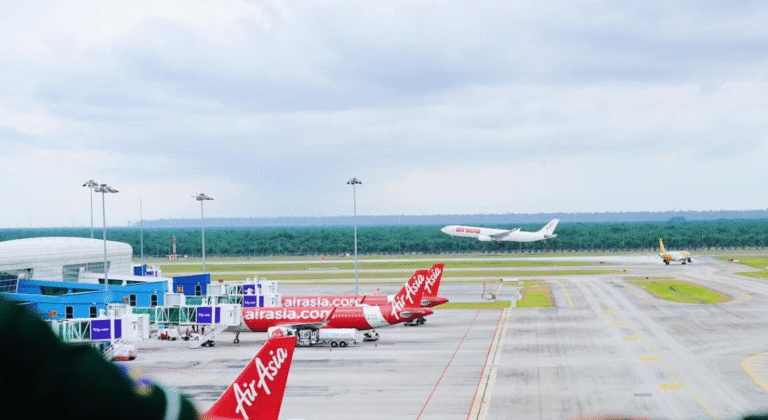
Image: The Indian Express

Dubai, United Arab Emirates: An Iranian drone strike near Dubai International Airport triggered a major fuel tank fire on March 16, forcing a temporary suspension of flight operations and disrupting global air traffic, as tensions in the Middle East escalated sharply.

According to multiple reports, the attack occurred early Monday (March 16) when a drone struck a fuel storage tank in the airport vicinity, sending thick plumes of smoke into the air and prompting immediate emergency response. Firefighters contained the blaze within hours, and no casualties were reported at the airport site.

Airport operations were halted for several hours, with gradual resumption later the same day. Airspace closure lasted approximately 2 hours, affecting multiple inbound and outbound flights. Dozens of flights were cancelled, diverted, or returned mid-route.

The incident is part of a wider wave of Iranian drone and missile attacks targeting the United Arab Emirates amid the ongoing Iran–US–Israel conflict, which began on February 28, 2026.

On the same day, the UAE reported multiple incoming threats, including 6 ballistic missiles and 21 drones. The Dubai airport strike marked the third such incident targeting the airport in recent weeks, highlighting increasing risks to civilian aviation infrastructure.

 Since the start of the conflict, seven people including five civilians have been killed in the UAE and 145 have been injured, according to official figures from the Defense Ministry.

Iran has sent 304 ballistic missiles, 15 cruise missiles and 1,627 drones to the UAE since Feb. 28, the Defense Ministry said in an update Monday.

Additional drone-related fires were reported in Umm Al Quwain and Fujairah, indicating coordinated regional targeting.

The attacks are widely seen as retaliation within the broader regional conflict, with Iran warning that strategic infrastructure in Gulf countries could be targeted.

Authorities responded swiftly by halting flight operations and restricting airspace:

  • Dubai airport suspended flights for several hours after the strike.
  • The UAE temporarily closed its airspace for safety, leading to wider regional disruption.
  • Foreign airline operations were suspended as a precautionary measure.
  • Several flights were diverted to Al Maktoum International Airport and other regional hubs.

In one notable case, an Emirates flight from Edinburgh was forced to turn back mid-air after nearly nine hours of flying, illustrating the scale of disruption.

The disruption impacted several Indian airlines such as Air India, Air India Express, IndiGo, and SpiceJet suspended Dubai operations due to restrictions.

Emirates temporarily halted operations before gradually resuming services after safety clearance. Etihad Airways and others adjusted schedules amid airspace uncertainty.

Late on Monday, Dubai’s aviation regulator suspended landing permissions for foreign airlines at Dubai airports until further notice due to escalating regional tensions. 

British Airways suspended Dubai flights until at least June. Other major carriers including Air France, Lufthansa, and Virgin Atlantic also paused or rerouted services.

Authorities implemented multiple safety and contingency measures, Dubai Civil Defence extinguished the fire and initiated cooling operations. Aviation authorities suspended landing permissions and advised passengers to avoid travel unless necessary. 

Roads near the airport were temporarily closed and later reopened. Flights resumed after safety assessments and clearance from authorities, with operations returning gradually to normal.


Leave a Comment

Subscribe to our Newsletter

Recent News

error: Unauthorized copying is not permitted