Moscow, Russia: Russia has imposed a nationwide ban on aviation fuel exports until November 30, 2026, in a move aimed at safeguarding domestic fuel supplies as repeated Ukrainian attacks continue to disrupt the country’s refining and energy infrastructure.
The Russian government announced the restriction on June 1, stating that the measure took immediate effect and would remain in force through the end of November. Officials said the decision was intended to maintain stability in the domestic fuel market amid mounting pressure on fuel production and distribution networks.
“The aim of this decision is to ensure stability in the domestic fuel market,” the government said in an official statement.
The ban comes after months of escalating Ukrainian drone and missile strikes targeting Russian oil refineries, fuel depots, pipelines and other energy facilities. The attacks have significantly reduced refining output, forcing some facilities to curtail operations or temporarily shut down.
According to recent industry assessments, Russian refining activity has fallen to its lowest level in approximately 16 years. Data showed diesel production dropped by around 10% in May following a similar decline in April, while hundreds of thousands of tonnes of fuel output have been lost due to refinery disruptions.
Russian authorities had already been considering additional restrictions on fuel exports in recent weeks. Reports from industry sources indicated that Moscow was evaluating measures covering diesel and aviation fuel exports after repeated attacks damaged refining infrastructure across several regions.
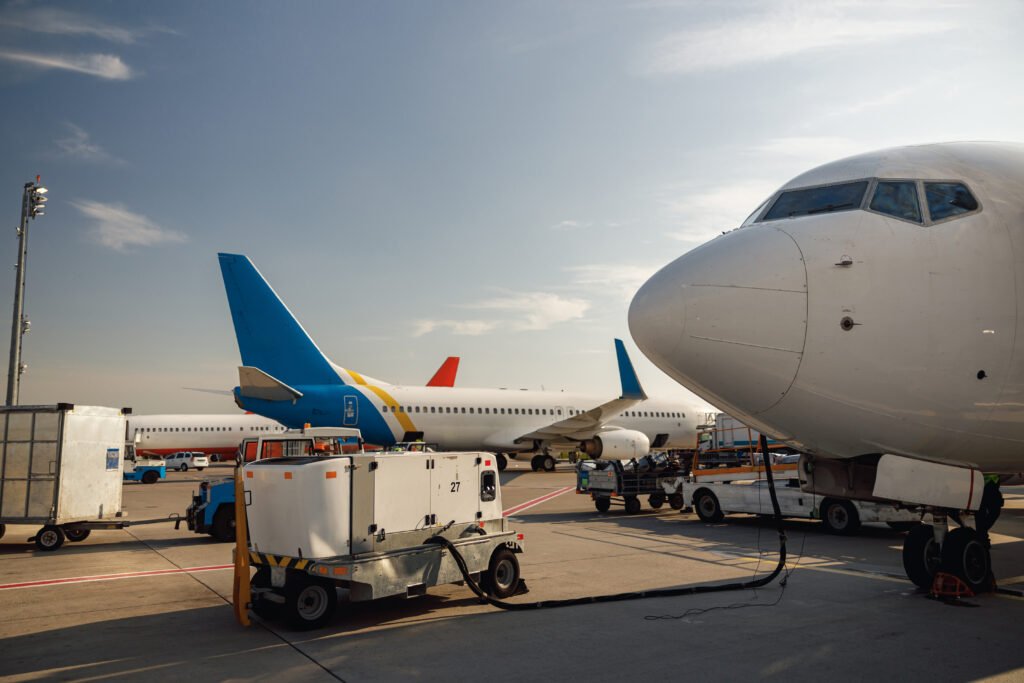
The latest export ban specifically affects aviation fuel, commonly referred to as jet fuel or aviation kerosene. Russia is a significant supplier of jet fuel to several Central Asian countries, exporting most of its volumes by rail. Major importers include Kazakhstan, Kyrgyzstan, Tajikistan and Uzbekistan.
Despite the broad restriction, the government has indicated that certain exemptions will remain in place. Supplies to countries covered by active intergovernmental fuel agreements with Russia are expected to continue. Similar exemptions have previously been applied during Russian gasoline export restrictions affecting members of the Eurasian Economic Union and other partner nations.
The aviation fuel export ban follows a series of earlier fuel market interventions by Moscow. In April 2026, Russia imposed a temporary gasoline export ban on producers through the end of July to ensure adequate domestic supply during the agricultural sowing season and amid rising global oil prices. Russia has repeatedly introduced export controls on gasoline and diesel in recent years whenever domestic shortages or price pressures emerged.
Industry analysts say the latest measure reflects growing concerns inside Russia over fuel availability during the peak summer travel season. The ban covers June through November, a period that includes traditionally high aviation demand as well as seasonal agricultural fuel consumption.
The restriction could also have implications beyond Russia’s borders. While Russian aviation fuel exports are smaller than its diesel shipments, the country remains an important regional supplier. Market observers warn that reduced exports may tighten jet fuel availability in some neighboring markets and contribute to upward pressure on fuel prices, particularly in regions dependent on Russian supply chains.
Although Russian authorities have not disclosed the exact volume of aviation fuel affected by the export ban, the decision underscores the challenges facing the country’s energy industry as infrastructure damage, refinery outages and domestic demand pressures continue to mount.