News
Civil Aviation
Pilot Training
Flight School Analysis
Aviation Jobs
Training
Services
About Us
Contact Us

2 Taiwanese Air Force Pilots Killed In Trainer Aircraft Crash During Training Exercise

Picture of Aviation Today News Desk

Aviation Today News Desk

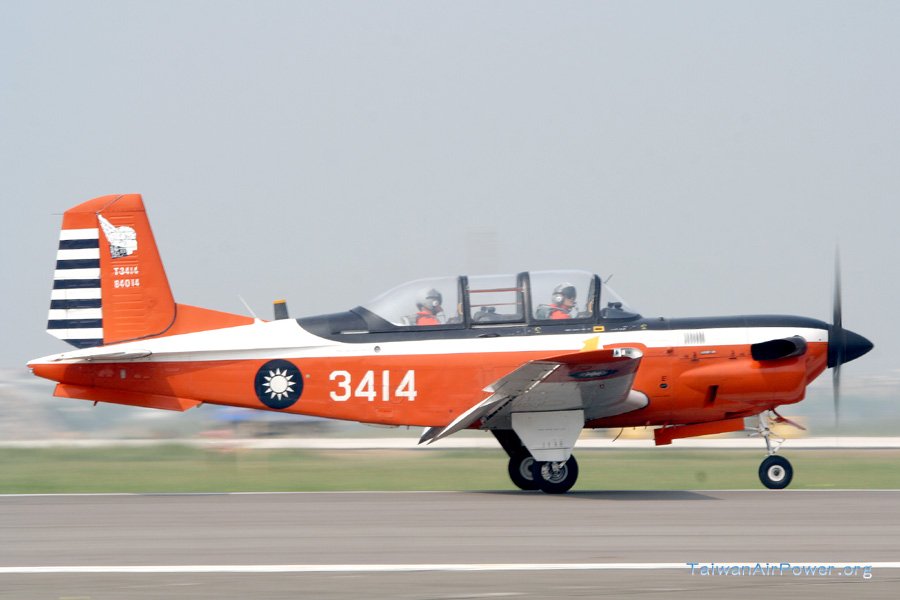
2 Taiwanese Air Force Pilots Killed In Trainer Aircraft Crash During Training Exercise SEO DES: Lt. Col. Lu Chi-yu and Lt. Col. Kuo Chun-nan, both with 2,000+ T-34 flight hours, were killed in the crash, the cause remains under investigation SOCIAL: Two experienced Taiwanese Air Force instructor pilots, Lieutenant Colonels Lu Chi-yu and Kuo Chun-nan, were killed when their Beechcraft T-34C Turbo Mentor trainer aircraft crashed during a simulated engine-failure exercise at Gangshan Air Base in Kaohsiung, Taiwan, on June 2. The aircraft, tail number 3414, went down near the runway at approximately 8:08 a.m. local time. Both pilots had over 2,000 flight hours on the T-34 fleet. Taiwan's Ministry of National Defense has launched a formal investigation, while the Air Force established a special task force to determine the cause of the accident. No preliminary findings have been released. Kaohsiung, Taiwan: Two veteran Taiwanese Air Force pilots were killed after a Beechcraft T-34C Turbo Mentor training aircraft crashed during a routine training mission at Gangshan Air Base in southern Taiwan on Tuesday morning, prompting a formal military investigation into the accident. According to Taiwan's Ministry of National Defense, the aircraft was conducting a simulated engine-failure training exercise when it crashed near the northern end of the runway at Gangshan Air Base in Kaohsiung at approximately 8:08 a.m. local time. The aircraft involved was identified as T-34C Turbo Mentor tail number 3414. Both crew members on board were fatally injured in the accident. The pilots were identified as Lieutenant Colonel Lu Chi-yu and Lieutenant Colonel Kuo Chun-nan, both experienced instructors with more than 2,000 flight hours on the T-34 fleet. Kuo, 46, graduated from the Republic of China Air Force Academy in 2004 and had accumulated 2,172 flight hours on the T-34 aircraft. Lu, 41, graduated from the academy in 2008 and had logged 2,114 flight hours. The Air Force stated that both officers were married, while Lu is survived by his wife, a son and a daughter. Taiwanese military officials said the flight was following a training profile designed to simulate an engine failure, a standard component of pilot instruction. However, authorities have not disclosed what occurred during the exercise or whether the aircraft experienced an actual technical malfunction. Major General Sun Li-fang, spokesperson for Taiwan's Ministry of National Defense, confirmed the details of the mission and the crash. Following the accident, Air Force Commander General Cheng Jung-feng traveled to the crash site to oversee response efforts and assess the situation. Defense Minister Wellington Koo directed the Air Force to provide full support to the families of the deceased pilots and ordered a comprehensive investigation into the circumstances surrounding the accident. The Air Force has established a special task force to determine the cause of the crash. Investigators are expected to examine the aircraft's maintenance history, mission profile, operational procedures, weather conditions and any available flight data as part of the inquiry. The Beechcraft T-34C Turbo Mentor serves as a basic military trainer and has been used for decades by Taiwan's Air Force Academy to train future military pilots. Although the aircraft remains an important part of the training pipeline, the fleet is among the oldest aircraft still in active military service. Military authorities had not released any preliminary findings regarding the cause of the accident, and no indication had been provided as to whether mechanical failure, operational factors or other circumstances contributed to the crash. The investigation remains ongoing.
Image: Republic of China Air Force Academy

Kaohsiung, Taiwan: Two veteran Taiwanese Air Force pilots were killed after a Beechcraft T-34C Turbo Mentor training aircraft crashed during a routine training mission at Gangshan Air Base in southern Taiwan on Tuesday morning, prompting a formal military investigation into the accident.

According to Taiwan’s Ministry of National Defense, the aircraft was conducting a simulated engine-failure training exercise when it crashed near the northern end of the runway at Gangshan Air Base in Kaohsiung at approximately 8:08 a.m. local time.

The aircraft involved was identified as T-34C Turbo Mentor tail number 3414. Both crew members on board were fatally injured in the accident.

The pilots were identified as Lieutenant Colonel Lu Chi-yu and Lieutenant Colonel Kuo Chun-nan, both experienced instructors with more than 2,000 flight hours on the T-34 fleet.

Kuo, 46, graduated from the Republic of China Air Force Academy in 2004 and had accumulated 2,172 flight hours on the T-34 aircraft. Lu, 41, graduated from the academy in 2008 and had logged 2,114 flight hours. The Air Force stated that both officers were married, while Lu is survived by his wife, a son and a daughter.

Taiwanese military officials said the flight was following a training profile designed to simulate an engine failure, a standard component of pilot instruction. However, authorities have not disclosed what occurred during the exercise or whether the aircraft experienced an actual technical malfunction.

Major General Sun Li-fang, spokesperson for Taiwan’s Ministry of National Defense, confirmed the details of the mission and the crash. Following the accident, Air Force Commander General Cheng Jung-feng traveled to the crash site to oversee response efforts and assess the situation.

Defense Minister Wellington Koo directed the Air Force to provide full support to the families of the deceased pilots and ordered a comprehensive investigation into the circumstances surrounding the accident.

The Air Force has established a special task force to determine the cause of the crash. Investigators are expected to examine the aircraft’s maintenance history, mission profile, operational procedures, weather conditions and any available flight data as part of the inquiry.

The Beechcraft T-34C Turbo Mentor serves as a basic military trainer and has been used for decades by Taiwan’s Air Force Academy to train future military pilots. Although the aircraft remains an important part of the training pipeline, the fleet is among the oldest aircraft still in active military service.

Military authorities had not released any preliminary findings regarding the cause of the accident, and no indication had been provided as to whether mechanical failure, operational factors or other circumstances contributed to the crash. The investigation remains ongoing.

Leave a Comment

Subscribe to our Newsletter

Recent News