Mexico City, Mexico: In a landmark ruling that reshapes the narrative of one of Cuba’s deadliest aviation disasters, a Mexican court has held charter airline Aerolíneas Damojh (Global Air) responsible for the 2018 crash of a Boeing 737 in Havana, concluding that the aircraft suffered from severe maintenance failures and “should never have flown.”
The decision, based on court documents dated March 31 and reviewed by multiple international outlets, marks a significant legal departure from earlier findings that attributed the accident primarily to pilot error.
An independent expert assessment presented during proceedings determined that the crash of Cubana de Aviación Flight 0972 was an “institutional accident” caused by systemic maintenance negligence. The report emphasized that the pilots were merely the “final line of defense” and were unable to prevent the catastrophe once critical failures had already developed.
The judge accepted these findings and ruled that the aircraft’s operator, Global Air, bore responsibility for placing an unfit aircraft into service.
The court ordered Global Air to pay USD 1.5 million in compensation to each of the families of the four Mexican crew members who initiated the lawsuit.
Notably, the airline failed to appear in court and was tried in absentia, while the aircraft’s insurer also named in the case was ultimately cleared of financial liability.
Legal representatives for the plaintiffs described the ruling as “groundbreaking”, arguing that it validates long-standing concerns about the airline’s maintenance practices and operational standards.
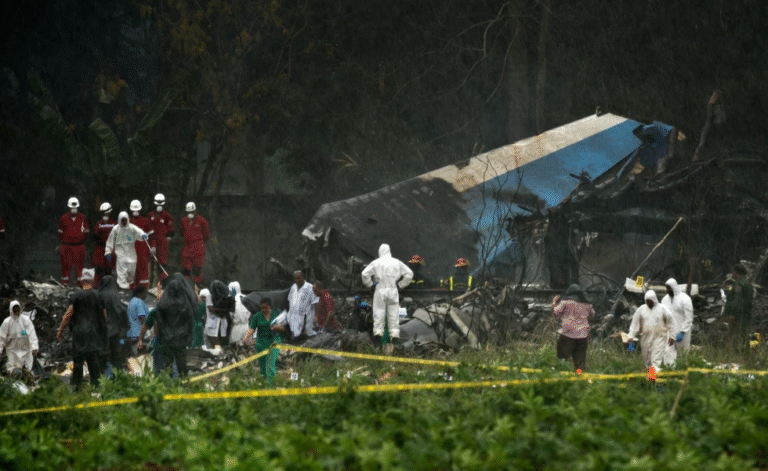
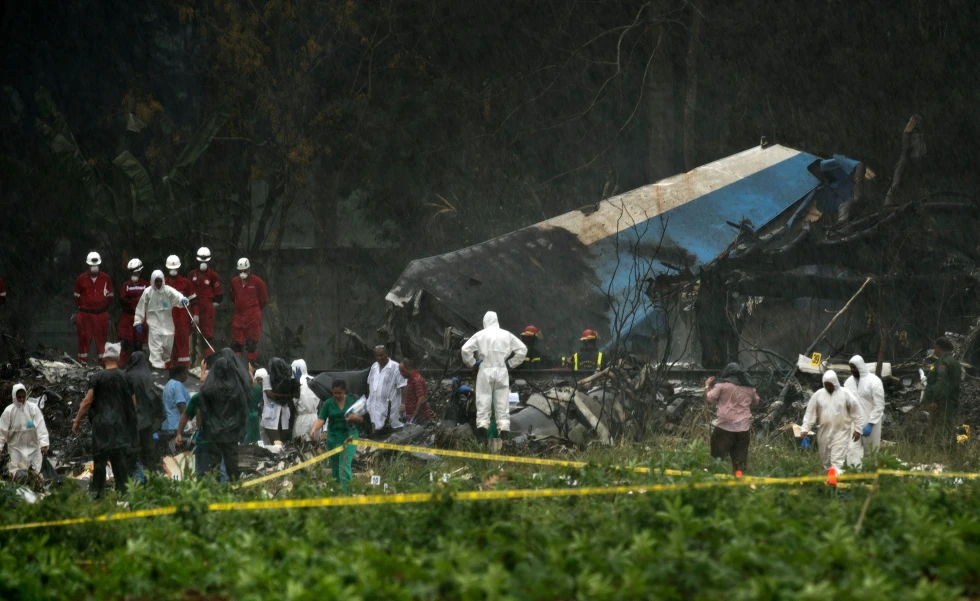
The accident occurred on May 18, 2018, when a Boeing 737-200 (registration XA-UHZ) crashed shortly after takeoff from José Martí International Airport in Havana while operating a domestic flight to Holguín. Of the 113 people onboard, 112 were killed, making it one of the deadliest aviation disasters in Cuba in decades. Only one passenger survived.
The aircraft was owned and operated by Global Air, a Mexican charter airline, and was leased to Cuba’s state carrier Cubana de Aviación under a wet lease agreement.
The Mexican ruling directly contradicts Cuba’s 2019 official investigation, which attributed the crash primarily to pilot error and weight miscalculation, citing deficiencies in crew performance and operational procedures.
In contrast, the Mexican court concluded that chronic maintenance deficiencies and systemic oversight failures were the root cause, reframing the accident as a broader organizational failure rather than an isolated human error.
Global Air had faced prior operational scrutiny in Mexico, including temporary suspension following the crash as authorities examined its compliance with safety regulations.
Reports cited during the case highlighted a history of technical issues and complaints, raising questions about the aircraft’s airworthiness long before the accident occurred.
Beyond the initial lawsuit, broader legal proceedings are underway. Lawyers representing victims confirmed that:
- A class-action civil lawsuit covering all victims is in progress
- A criminal complaint for homicide has been filed against the airline and responsible parties
However, the criminal investigation in Mexico has reportedly stalled due to limited cooperation from Cuban authorities.
Samuel González, counsel for the victims’ families, described the judgment as a hard-fought and “groundbreaking” decision for Mexico. He said the ruling reinforces early admissions made in Havana by the airline’s own head of maintenance, who acknowledged to relatives that the aircraft should not have been cleared for operation.
“That aircraft operated for nearly a decade without proper maintenance,” González said. “The crash occurred in Cuba, but the risk was universal.”
Efforts to reach representatives of the airline for comment were unsuccessful. González also indicated that the carrier may be moving toward bankruptcy proceedings, warning that any attempt to misuse the process would be legally challenged.