News
Civil Aviation
Pilot Training
Flight School Analysis
Aviation Jobs
Training
Services
About Us
Contact Us

CENIPA Blames Icing, Crew Errors And Safety Culture In Fatal Voepass ATR 72 Crash

Picture of Aviation Today News Desk

Aviation Today News Desk

CENIPA Blames Icing, Crew Errors And Safety Culture In Fatal Voepass ATR 72 Crash SEO DES: In 2024, a Voepass ATR 72-212A crashed in Vinhedo, Brazil, killing all 62 people aboard, including four crew members and 58 passengers SOCIAL: CENIPA's final investigation report into the August 2024 Voepass ATR 72 crash in Vinhedo, Brazil, found that severe icing and an inoperative airframe de-icing system caused the aircraft's performance to deteriorate during the flight. The crew failed to properly respond to repeated performance warnings and did not follow prescribed procedures, leading to a stall and subsequent flat spin. All 62 people aboard the aircraft were killed in the crash. The investigation also identified weaknesses in Voepass's safety culture, flight-data monitoring, technical reporting and regulatory oversight. CENIPA issued several safety recommendations, while ATR and Brazil's ANAC introduced measures following the accident. Vinhedo, Brazil: Brazil's Aeronautical Accident Investigation and Prevention Center (CENIPA) has released its final investigation report into the August 9, 2024 crash of a Voepass ATR 72-212A in Vinhedo, São Paulo, concluding that severe icing, an inoperative airframe de-icing system, failures to follow established procedures and weaknesses in the airline's safety culture combined to cause the fatal loss of control. The ATR 72-212A, registration PS-VPB, was operating Voepass Flight 2283 from Cascavel to São Paulo/Guarulhos with four crew members and 58 passengers. It departed at 14:58 UTC and crashed at about 16:22 UTC in Vinhedo. All 62 people aboard were killed. CENIPA found that the aircraft was dispatched with its Airframe De-Icing system inoperative and that the forecast route conditions were conducive to severe icing. The investigation found that the operator's Operations Control Center, flight dispatcher and captain did not adequately assess the forecast conditions, while the aircraft's de-icing system failure was not properly recorded in the technical logbook. The report also identified a known windshield-wiper failure affecting the first officer. During the flight, the Electronic Ice Detector repeatedly indicated ice accumulation after the aircraft climbed through FL130. The aircraft remained at FL170 and progressively accumulated ice, increasing aerodynamic drag and degrading performance. The Airframe De-Icing system was switched on and off several times, but the prescribed checklist procedure for the failure was not followed. The aircraft's Aircraft Performance Monitoring (APM) system issued eight CRUISE SPEED LOW advisories, followed by DEGRADED PERFORMANCE and, shortly before the stall, INCREASE SPEED alerts. CENIPA found that the crew did not properly respond to these warnings by increasing speed, changing altitude or leaving the icing conditions. The investigation also found that the crew continued the flight despite knowing about the de-icing system failure and the severe icing forecast. The pilots did not request an immediate descent, declare an emergency or take other effective measures to escape the icing environment. CENIPA said informal, non-operational cockpit conversations also reduced the crew's attention to the aircraft's deteriorating condition and cockpit alerts. As the aircraft's performance deteriorated, its angle of attack increased until the Stall Warning System activated. Instead of applying the prescribed stall-recovery procedure, the pilots made nose-up control inputs, further increasing the angle of attack. When the stick pusher activated, opposing control inputs caused the pitch uncoupling mechanism to disconnect the left and right elevators, after which the aircraft lost control. The aircraft entered a flat spin, completing five left-hand rotations over approximately 68 seconds. Its descent rate reached about 14,000 feet per minute, with pitch varying from approximately +10° to -62° and left bank angles from about 10° to 75°. The crew attempted to counter the rotation with right rudder input, but the rudder's effectiveness was severely reduced by the aircraft's extremely high angle of attack. Both engines continued operating normally. CENIPA found no evidence of an engine failure and attributed a brief rise in No. 1 engine temperature during the spin to reduced airflow and mass airflow caused by the aircraft's flight condition. The aircraft struck the ground at high vertical speed and relatively low horizontal speed and was destroyed. A post-impact fire further damaged the wreckage. CENIPA concluded that the accident resulted from a complex chain of technical, human and organizational factors. The identified contributing factors included flight-control handling, attention, pilot attitude, severe meteorological conditions, Crew Resource Management, work-group culture, organizational culture, organizational processes, managerial oversight and deficiencies in regulatory oversight. The report found that repeated APM warnings had become normalized among the operator's pilots. Frequent CRUISE SPEED LOW advisories were increasingly treated as routine, reducing crews' perception of the associated risk. CENIPA also identified previous flights involving airspeed reductions, ice accumulation, de-icing system resets and APM alerts, but found that the company's Flight Data Monitoring information was not systematically used to identify and mitigate these recurring risks. The investigation found broader weaknesses in Voepass's Safety Management System, including inadequate hazard identification, insufficient use of flight-data information, weak formal reporting of technical discrepancies and a practice of verbally reporting problems to maintenance personnel without recording them in the technical logbook. CENIPA said these practices prevented effective corrective action and contributed to the normalization of operational deviations. The investigation also identified shortcomings in ANAC's regulatory oversight. Previous audits had detected technical, maintenance and safety-management weaknesses, but CENIPA concluded that ANAC's risk-management process was insufficient to support the strategic decisions needed to control the risks. CENIPA identified a potential design-related issue with the APM system, classifying the increased speed alert as a caution despite its activation near the minimum maneuvering speed in icing conditions. The investigation recommended reassessing the alert classification and considering an upgrade from CAUTION to WARNING. It also recommended reviewing APM alert logic and prioritization, particularly where degraded performance and increased speed alerts could occur together. Other recommendations called for ANAC to review operators' procedures for SPEED BUG adjustments, strengthen oversight of flight-data monitoring and risk management, and disseminate the accident's lessons across commercial aviation. Following the crash, ATR introduced APM software Version 2.0 and initiated maintenance-procedure improvements. ANAC strengthened Upset Prevention and Recovery Training guidance and expanded mandatory Flight Data Monitoring requirements to additional aircraft. The regulator also placed Voepass under intensified surveillance before suspending its Air Operator Certificate and Maintenance Organization Certificate in March 2025. After administrative proceedings, both certificates were revoked on June 24, 2025, with financial sanctions imposed. The CENIPA report is a Final Report, not a preliminary report, although its cover carries the wording "Draft Final Report." It provides the completed investigation findings, contributing factors, safety recommendations and corrective actions. CENIPA's final conclusion is that the crash was not caused by a single failure. Severe icing created the hazardous conditions, while the inoperative de-icing system, inadequate crew response to repeated performance warnings, failure to follow stall-recovery procedures and deeper weaknesses in the operator's safety culture and oversight combined to result in the loss of control and deaths of all 62 people aboard.

Image: Associated Press

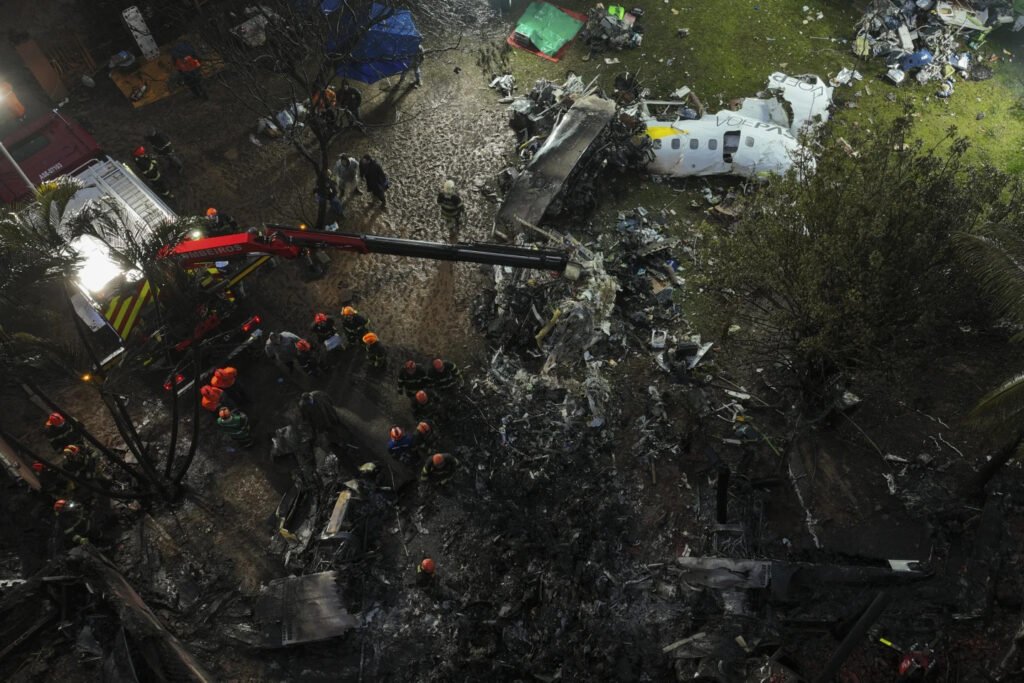
Vinhedo, Brazil: Brazil’s Aeronautical Accident Investigation and Prevention Center (CENIPA) has released its final investigation report into the August 9, 2024 crash of a Voepass ATR 72-212A in Vinhedo, São Paulo, concluding that severe icing, an inoperative airframe de-icing system, failures to follow established procedures and weaknesses in the airline’s safety culture combined to cause the fatal loss of control.

The ATR 72-212A, registration PS-VPB, was operating Voepass Flight 2283 from Cascavel to São Paulo/Guarulhos with four crew members and 58 passengers. It departed at 14:58 UTC and crashed at about 16:22 UTC in Vinhedo. All 62 people aboard were killed.

CENIPA found that the aircraft was dispatched with its Airframe De-Icing system inoperative and that the forecast route conditions were conducive to severe icing. The investigation found that the operator’s Operations Control Center, flight dispatcher and captain did not adequately assess the forecast conditions, while the aircraft’s de-icing system failure was not properly recorded in the technical logbook. The report also identified a known windshield-wiper failure affecting the first officer.

During the flight, the Electronic Ice Detector repeatedly indicated ice accumulation after the aircraft climbed through FL130. The aircraft remained at FL170 and progressively accumulated ice, increasing aerodynamic drag and degrading performance. The Airframe De-Icing system was switched on and off several times, but the prescribed checklist procedure for the failure was not followed.

The aircraft’s Aircraft Performance Monitoring (APM) system issued eight CRUISE SPEED LOW advisories, followed by DEGRADED PERFORMANCE and, shortly before the stall, INCREASE SPEED alerts. CENIPA found that the crew did not properly respond to these warnings by increasing speed, changing altitude or leaving the icing conditions.

The investigation also found that the crew continued the flight despite knowing about the de-icing system failure and the severe icing forecast. The pilots did not request an immediate descent, declare an emergency or take other effective measures to escape the icing environment. CENIPA said informal, non-operational cockpit conversations also reduced the crew’s attention to the aircraft’s deteriorating condition and cockpit alerts.

As the aircraft’s performance deteriorated, its angle of attack increased until the Stall Warning System activated. Instead of applying the prescribed stall-recovery procedure, the pilots made nose-up control inputs, further increasing the angle of attack. When the stick pusher activated, opposing control inputs caused the pitch uncoupling mechanism to disconnect the left and right elevators, after which the aircraft lost control.

The aircraft entered a flat spin, completing five left-hand rotations over approximately 68 seconds. Its descent rate reached about 14,000 feet per minute, with pitch varying from approximately +10° to -62° and left bank angles from about 10° to 75°. The crew attempted to counter the rotation with right rudder input, but the rudder’s effectiveness was severely reduced by the aircraft’s extremely high angle of attack.

Both engines continued operating normally. CENIPA found no evidence of an engine failure and attributed a brief rise in No. 1 engine temperature during the spin to reduced airflow and mass airflow caused by the aircraft’s flight condition. The aircraft struck the ground at high vertical speed and relatively low horizontal speed and was destroyed. A post-impact fire further damaged the wreckage.

CENIPA concluded that the accident resulted from a complex chain of technical, human and organizational factors. The identified contributing factors included flight-control handling, attention, pilot attitude, severe meteorological conditions, Crew Resource Management, work-group culture, organizational culture, organizational processes, managerial oversight and deficiencies in regulatory oversight.

The report found that repeated APM warnings had become normalized among the operator’s pilots. Frequent CRUISE SPEED LOW advisories were increasingly treated as routine, reducing crews’ perception of the associated risk. CENIPA also identified previous flights involving airspeed reductions, ice accumulation, de-icing system resets and APM alerts, but found that the company’s Flight Data Monitoring information was not systematically used to identify and mitigate these recurring risks.

The investigation found broader weaknesses in Voepass’s Safety Management System, including inadequate hazard identification, insufficient use of flight-data information, weak formal reporting of technical discrepancies and a practice of verbally reporting problems to maintenance personnel without recording them in the technical logbook. CENIPA said these practices prevented effective corrective action and contributed to the normalization of operational deviations.

The investigation also identified shortcomings in ANAC’s regulatory oversight. Previous audits had detected technical, maintenance and safety-management weaknesses, but CENIPA concluded that ANAC’s risk-management process was insufficient to support the strategic decisions needed to control the risks.

CENIPA identified a potential design-related issue with the APM system, classifying the increased speed alert as a caution despite its activation near the minimum maneuvering speed in icing conditions. The investigation recommended reassessing the alert classification and considering an upgrade from CAUTION to WARNING. It also recommended reviewing APM alert logic and prioritization, particularly where degraded performance and increased speed alerts could occur together.

Other recommendations called for ANAC to review operators’ procedures for SPEED BUG adjustments, strengthen oversight of flight-data monitoring and risk management, and disseminate the accident’s lessons across commercial aviation.

Following the crash, ATR introduced APM software Version 2.0 and initiated maintenance-procedure improvements. ANAC strengthened Upset Prevention and Recovery Training guidance and expanded mandatory Flight Data Monitoring requirements to additional aircraft. The regulator also placed Voepass under intensified surveillance before suspending its Air Operator Certificate and Maintenance Organization Certificate in March 2025. After administrative proceedings, both certificates were revoked on June 24, 2025, with financial sanctions imposed.

The CENIPA report is a Final Report, not a preliminary report, although its cover carries the wording “Draft Final Report.” It provides the completed investigation findings, contributing factors, safety recommendations and corrective actions.

CENIPA’s final conclusion is that the crash was not caused by a single failure. Severe icing created the hazardous conditions, while the inoperative de-icing system, inadequate crew response to repeated performance warnings, failure to follow stall-recovery procedures and deeper weaknesses in the operator’s safety culture and oversight combined to result in the loss of control and deaths of all 62 people aboard.


Leave a Comment

Subscribe to our Newsletter

Recent News

Aviation Today Perspectives