News
Civil Aviation
Pilot Training
Flight School Analysis
Aviation Jobs
Training
Services
About Us
Contact Us

EU Reaches Landmark Deal On Stronger Air Passenger Rights After 13 Years Of Negotiations

Picture of Aviation Today News Desk

Aviation Today News Desk

Brussels, Belgium: European Union lawmakers have reached a landmark agreement to modernize and strengthen air passenger rights across the bloc, concluding more than a decade of negotiations over reforms to the EU’s passenger protection framework. The agreement between the Council of the European Union and the European Parliament updates rules governing air passenger rights and airline liability, introducing clearer procedures, stronger consumer protections and new obligations for airlines while seeking to maintain operational flexibility and connectivity across Europe's aviation network. Cyprus Transport Minister Alexis Vafeades, whose country currently holds the rotating presidency of the Council of the EU, described the accord as a major breakthrough. “After 13 years of negotiations, we reached a landmark agreement to strengthen EU air passenger rights,” Vafeades said. “This modernized framework will deliver certainty, fairness and stronger protection for millions of European air passengers while preserving connectivity vital to the EU’s internal market.” A central element of the agreement is a simplified compensation process designed to make it easier for passengers to exercise their rights. Under the new rules, airlines must proactively inform passengers electronically within 96 hours of arrival when a delay may qualify for compensation. Carriers will also be required to provide clear information on passenger rights and instructions on how to submit compensation claims. Passengers will continue to be eligible for compensation when flights are delayed by more than three hours. Compensation levels remain unchanged at between €250 and €600, depending on flight distance. Earlier proposals had sought to raise the delay threshold and reduce compensation obligations, but lawmakers ultimately retained the existing framework. The revised rules significantly strengthen passengers' rights when flights are cancelled. Airlines must offer passengers re-routing opportunities at the earliest possible time, including on flights operated by competing carriers or through alternative modes of transport when necessary. If an airline fails to provide a suitable alternative within three hours, passengers will be entitled to arrange their own travel and seek reimbursement. The agreement also introduces stronger obligations regarding assistance and care for stranded travellers, ensuring airlines provide support during disruptions and missed connections. Lawmakers have also sought to improve transparency for consumers throughout the booking and travel process. Airlines will be required to provide clearer information about passenger rights and service conditions. The agreement further prevents carriers from requiring passengers to download mobile applications in order to access boarding passes, a practice that had sparked criticism from consumer groups. The revised framework preserves existing protections allowing children to sit next to an accompanying adult without additional charges. Family seating rights had become a major issue amid growing concerns about ancillary fees charged by some low-cost airlines. The agreement confirms that airlines cannot charge families extra to ensure children are seated with accompanying adults. Another contentious issue involved airline charges for cabin baggage. Under the compromise agreement, airlines will be permitted to charge for larger carry-on bags, but passengers must continue to be allowed a free small personal item. Airlines will also be required to include baggage-related fees transparently in ticket pricing, allowing travellers to compare fares more easily and understand the full cost of travel before booking. The issue has been the subject of intense debate across Europe, including regulatory action against several low-cost carriers over baggage fee practices. The revised framework also seeks to reduce legal uncertainty by clarifying airlines' responsibilities during delays, cancellations and operational disruptions. The new provisions aim to create more consistent enforcement across EU member states while improving complaint handling and dispute resolution procedures. The agreement marks the conclusion of lengthy negotiations that began after the European Commission proposed reforms to the EU's passenger rights regime in 2013. Discussions stalled for years due to disagreements between member states, airlines and consumer advocates over compensation thresholds, baggage rules and airline obligations. Following the political agreement, the revised legislation must complete the remaining formal approval procedures before entering into force. Once adopted, the new framework will apply across all EU member states and is expected to benefit millions of air travellers each year.
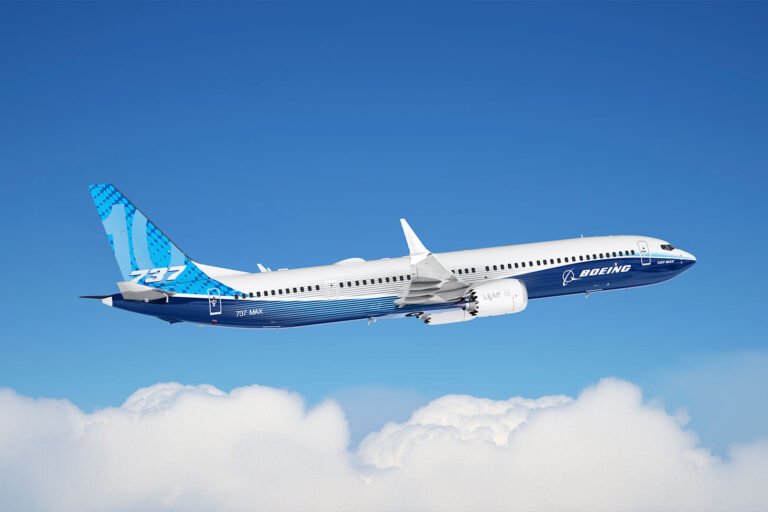
Image: Lufthansa

Brussels, Belgium: European Union lawmakers have reached a landmark agreement to modernize and strengthen air passenger rights across the bloc, concluding more than a decade of negotiations over reforms to the EU’s passenger protection framework.

The agreement between the Council of the European Union and the European Parliament updates rules governing air passenger rights and airline liability, introducing clearer procedures, stronger consumer protections and new obligations for airlines while seeking to maintain operational flexibility and connectivity across Europe’s aviation network.

Cyprus Transport Minister Alexis Vafeades, whose country currently holds the rotating presidency of the Council of the EU, described the accord as a major breakthrough.

“After 13 years of negotiations, we reached a landmark agreement to strengthen EU air passenger rights,” Vafeades said. “This modernized framework will deliver certainty, fairness and stronger protection for millions of European air passengers while preserving connectivity vital to the EU’s internal market.”

A central element of the agreement is a simplified compensation process designed to make it easier for passengers to exercise their rights.

Under the new rules, airlines must proactively inform passengers electronically within 96 hours of arrival when a delay may qualify for compensation. Carriers will also be required to provide clear information on passenger rights and instructions on how to submit compensation claims.

Passengers will continue to be eligible for compensation when flights are delayed by more than three hours. Compensation levels remain unchanged at between €250 and €600, depending on flight distance. Earlier proposals had sought to raise the delay threshold and reduce compensation obligations, but lawmakers ultimately retained the existing framework.

The revised rules significantly strengthen passengers’ rights when flights are cancelled. Airlines must offer passengers re-routing opportunities at the earliest possible time, including on flights operated by competing carriers or through alternative modes of transport when necessary. If an airline fails to provide a suitable alternative within three hours, passengers will be entitled to arrange their own travel and seek reimbursement.

The agreement also introduces stronger obligations regarding assistance and care for stranded travellers, ensuring airlines provide support during disruptions and missed connections.

Lawmakers have also sought to improve transparency for consumers throughout the booking and travel process.

Airlines will be required to provide clearer information about passenger rights and service conditions. The agreement further prevents carriers from requiring passengers to download mobile applications in order to access boarding passes, a practice that had sparked criticism from consumer groups.

The revised framework preserves existing protections allowing children to sit next to an accompanying adult without additional charges.

Family seating rights had become a major issue amid growing concerns about ancillary fees charged by some low-cost airlines. The agreement confirms that airlines cannot charge families extra to ensure children are seated with accompanying adults.

Another contentious issue involved airline charges for cabin baggage. Under the compromise agreement, airlines will be permitted to charge for larger carry-on bags, but passengers must continue to be allowed a free small personal item. Airlines will also be required to include baggage-related fees transparently in ticket pricing, allowing travellers to compare fares more easily and understand the full cost of travel before booking.

The issue has been the subject of intense debate across Europe, including regulatory action against several low-cost carriers over baggage fee practices.

The revised framework also seeks to reduce legal uncertainty by clarifying airlines’ responsibilities during delays, cancellations and operational disruptions. The new provisions aim to create more consistent enforcement across EU member states while improving complaint handling and dispute resolution procedures.

The agreement marks the conclusion of lengthy negotiations that began after the European Commission proposed reforms to the EU’s passenger rights regime in 2013. Discussions stalled for years due to disagreements between member states, airlines and consumer advocates over compensation thresholds, baggage rules and airline obligations.

Following the political agreement, the revised legislation must complete the remaining formal approval procedures before entering into force. Once adopted, the new framework will apply across all EU member states and is expected to benefit millions of air travellers each year.


Leave a Comment

Subscribe to our Newsletter

Recent News