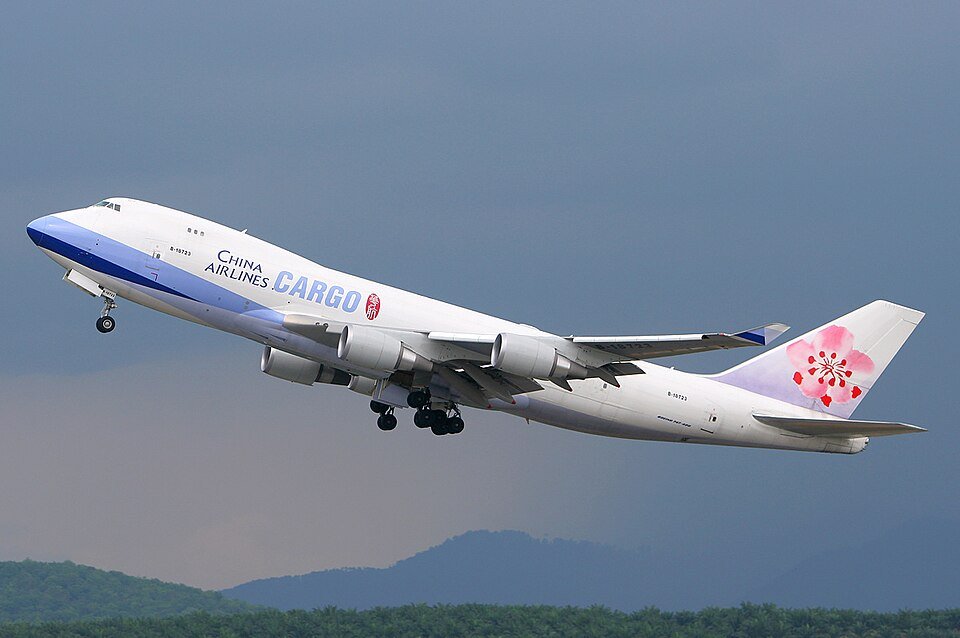
Whitehorse, Canada: A China Airlines cargo aircraft was forced to make an emergency diversion to northern Canada after a smoke alarm was triggered mid-flight, prompting a precautionary response from the flight crew.
The incident occurred on April 18, 2026, when a China Airlines Boeing 747-400 freighter was en route on a trans-Pacific cargo sector and experienced a cockpit warning indicating possible smoke onboard.
The crew responded in line with standard aviation safety procedures by declaring an emergency and diverting the aircraft to Erik Nielsen Whitehorse International Airport, the nearest suitable airport along its route.
The aircraft landed safely in Whitehorse, with emergency services on standby as a precaution. Authorities confirmed that there were no injuries among crew members, and no visible signs of fire or smoke were detected after landing.
Initial reports indicate that the smoke warning originated from onboard detection systems, which are designed to trigger alerts even in the absence of an actual fire. Aviation protocols require immediate action in such scenarios due to the high risk associated with in-flight cargo fires.
The cargo jet was reportedly operating a Chicago-Anchorage route, part of a common polar cargo corridor used for trans-Pacific freight operations. Whitehorse frequently serves as an alternate diversion airport for aircraft operating in northern airspace due to its strategic location and long runway capability.
Following the landing, the aircraft underwent inspection on the ground in Whitehorse. While authorities have not publicly confirmed the exact cause of the warning, early indications suggest the alert may have been precautionary rather than linked to an active onboard fire. The aircraft was later cleared to depart after necessary checks were completed.