News
Civil Aviation
Pilot Training
Flight School Analysis
Aviation Jobs
Training
Services
About Us
Contact Us

Air India And Air India Express Come Face-To-Face On Mumbai Runway; Take-Off Aborted

Picture of Aviation Today News Desk

Aviation Today News Desk

Mumbai, India: A potentially catastrophic runway collision was averted at Mumbai's Chhatrapati Shivaji Maharaj International Airport (CSMIA) on the night of July 8, 2026, after an Air India flight bound for Delhi was forced to abort its take-off roll when an Air India Express aircraft was still occupying the same runway following its landing, according to multiple media reports. The incident occurred on one of the airport's active runways during routine flight operations. According to aviation sources cited by several media outlets, the Air India aircraft had already begun accelerating for departure after receiving take-off clearance when its crew noticed an Air India Express aircraft ahead on the runway. The Air India Express flight had landed moments earlier but had not yet vacated the runway. Realising the runway was not clear, Air Traffic Control (ATC) immediately instructed the Air India crew to reject the take-off. The pilots carried out a rejected take-off (RTO), bringing the aircraft safely to a halt before reaching the Air India Express aircraft. The prompt response by both the cockpit crew and ATC prevented what could have become one of the most serious runway incidents at India's busiest airport. No passengers or crew members were injured in the incident, and neither aircraft sustained any reported damage. Airport operations continued after the aircraft were safely separated. While authorities have not officially disclosed the flight numbers involved, reports indicate that the departing aircraft was an Air India service from Mumbai to Delhi, while the other aircraft belonged to Air India Express and had just completed its landing at Mumbai. Initial information suggests the Air India Express aircraft had not vacated the runway before the departing Air India flight commenced its take-off roll, raising questions over runway occupancy and the sequencing of aircraft movements. Aviation authorities are expected to examine ATC clearances, communication between controllers and flight crews, runway occupancy procedures and the exact timeline of events to determine how both aircraft came to be on the same runway simultaneously. Earlier last month, on June 24, 2026, another face-to-face aircraft incident occurred at Ahmedabad's Sardar Vallabhbhai Patel International Airport when an Air India Airbus A320 arriving from Mumbai took a wrong turn while taxiing after landing and entered an active taxiway, where it came nose-to-nose with an IndiGo aircraft preparing for departure. ATC immediately halted both aircraft, no injuries or damage were reported, and the DGCA launched an investigation into the incident
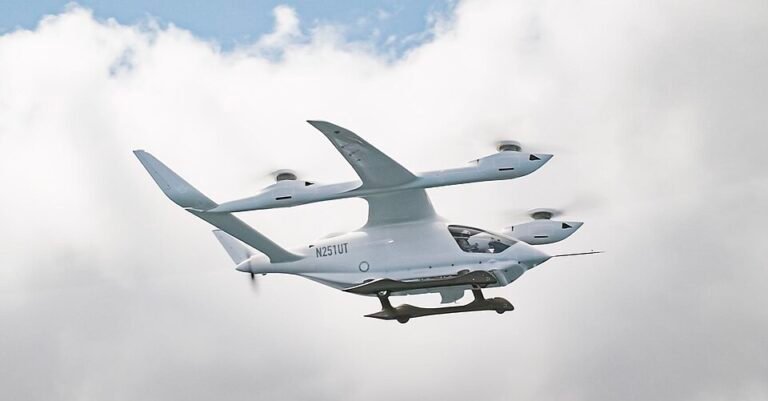
Image: AFP

Mumbai, India: A potentially catastrophic runway collision was averted at Mumbai’s Chhatrapati Shivaji Maharaj International Airport (CSMIA) on the night of July 8, 2026, after an Air India flight bound for Delhi was forced to abort its take-off roll when an Air India Express aircraft was still occupying the same runway following its landing, according to multiple media reports.

The incident occurred on one of the airport’s active runways during routine flight operations. According to aviation sources cited by several media outlets, the Air India aircraft had already begun accelerating for departure after receiving take-off clearance when its crew noticed an Air India Express aircraft ahead on the runway. The Air India Express flight had landed moments earlier but had not yet vacated the runway.

Realising the runway was not clear, Air Traffic Control (ATC) immediately instructed the Air India crew to reject the take-off. The pilots carried out a rejected take-off (RTO), bringing the aircraft safely to a halt before reaching the Air India Express aircraft. The prompt response by both the cockpit crew and ATC prevented what could have become one of the most serious runway incidents at India’s busiest airport.

No passengers or crew members were injured in the incident, and neither aircraft sustained any reported damage. Airport operations continued after the aircraft were safely separated.

While authorities have not officially disclosed the flight numbers involved, reports indicate that the departing aircraft was an Air India service from Mumbai to Delhi, while the other aircraft belonged to Air India Express and had just completed its landing at Mumbai.

Initial information suggests the Air India Express aircraft had not vacated the runway before the departing Air India flight commenced its take-off roll, raising questions over runway occupancy and the sequencing of aircraft movements. Aviation authorities are expected to examine ATC clearances, communication between controllers and flight crews, runway occupancy procedures and the exact timeline of events to determine how both aircraft came to be on the same runway simultaneously.

Earlier last month, on June 24, 2026, another face-to-face aircraft incident occurred at Ahmedabad’s Sardar Vallabhbhai Patel International Airport when an Air India Airbus A320 arriving from Mumbai took a wrong turn while taxiing after landing and entered an active taxiway, where it came nose-to-nose with an IndiGo aircraft preparing for departure. ATC immediately halted both aircraft, no injuries or damage were reported, and the DGCA launched an investigation into the incident

Leave a Comment

Subscribe to our Newsletter

Recent News