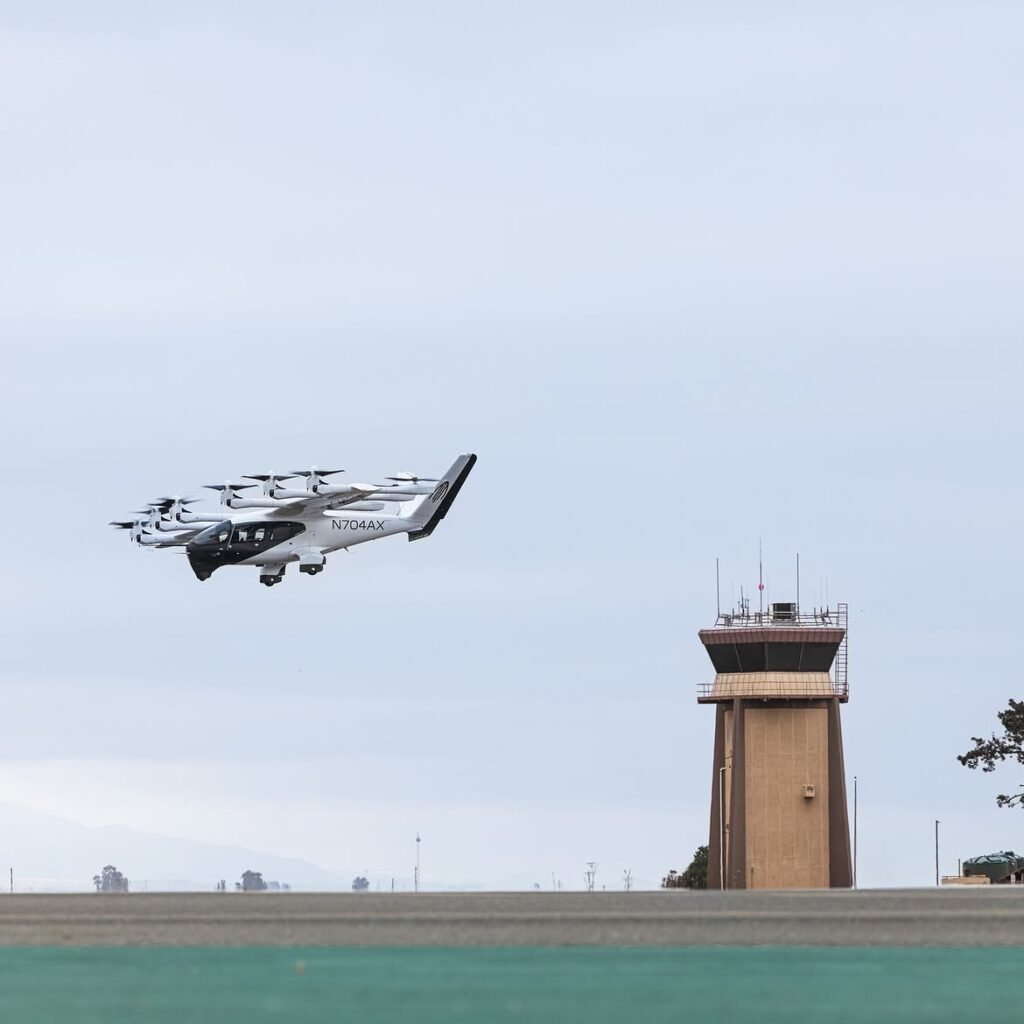
California, United States: Archer Aviation and Boeing have signed definitive agreements under which Archer will acquire Boeing’s Wisk Aero, SkyGrid and Insitu subsidiaries, in a transaction aimed at creating an end-to-end physical artificial intelligence platform for aerospace and defense. The companies announced the agreement on August 10, 2026, saying the deal will combine capabilities developed over decades in autonomy, electric vertical takeoff and landing (eVTOL) aircraft and unmanned aircraft systems (UAS).
The transaction will add a profitable defense business generating more than $200 million in annual revenue to Archer’s portfolio, with operations across 35 countries. Archer said the deal will combine Wisk, SkyGrid and Insitu’s autonomy and airspace-intelligence software with Archer’s purpose-built aerospace and defense AI foundation model, ZEE. Together, the businesses have nearly two million combined flight hours, providing Archer with what it described as a deep autonomy foundation for its AI platform.
The companies said the combination is intended to position Archer across commercial aerospace, defense and air traffic management. Wisk, SkyGrid and Insitu have developed autonomous flight, airspace-management and uncrewed-aircraft technologies, which Archer said will complement its existing air-taxi, UAS and AI capabilities and help bring new solutions to the aviation market.
“This is a watershed moment for Archer and the future of physical AI in aerospace and defense,” Archer Founder and CEO Adam Goldstein said. He described the agreement as “the next big step forward” for Archer as it seeks to become a diversified platform, rapidly expand its revenue base and bring greater scale to its business.
Under a separate collaboration and technology-sharing arrangement, Boeing will retain access to Wisk’s core autonomous-flight technology for its current and next-generation commercial and defense aircraft. Boeing will also retain strategic upside through its stake in Archer while focusing its current and future investment on its core businesses.
“This transaction is a win-win for Boeing and Archer,” said Brian Yutko, Boeing’s vice president of Commercial Airplanes Product Development. He said the transaction will allow Wisk, SkyGrid and Insitu to accelerate capability development and time to market while allowing Boeing to capitalize on investments it has made in the technologies over the past two decades through continued development within its core businesses.
Yutko added that, having worked with the teams at the three companies, he believes the transaction will create an industry leader in the advanced aviation market. Boeing, he said, looks forward to working with Archer to continue innovation in aerospace, defense and autonomy.
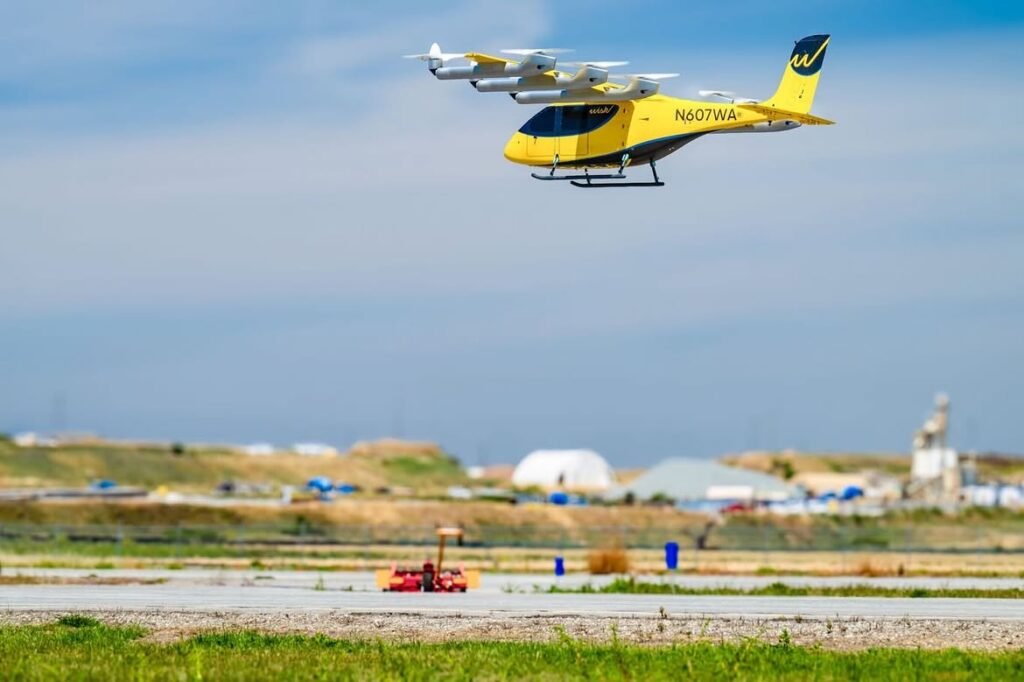
Wisk brings autonomous eVTOL technology to the transaction. According to the release, Wisk is the only company to have designed, built and flown six generations of eVTOL aircraft, completing more than 1,700 flight tests. Over 16 years, its team has developed autonomy capabilities based around a next-generation flight-control computer, sensor suite and radar system designed for certification in civil and potential defense applications.
SkyGrid contributes airspace-management technology. The company has developed a ground-based, aircraft-agnostic air-traffic-management solution intended to provide the digital foundation for automated airspace. Its system is designed to support safe integration, scalable automation and coordinated traffic management needed for broader commercialization across the aviation ecosystem.
Insitu brings an established unmanned-aircraft business focused on intelligence, surveillance and reconnaissance. Its portfolio includes high-performance, cost-effective and resilient VTOL-capable UAS along with AI-enabled software. Archer said Insitu’s technologies have supported the armed forces of 35 nations in making faster and more informed decisions.
Insitu operates offices in the United States, Australia, the United Kingdom and the United Arab Emirates. The company has manufactured and fielded more than 3,500 UAS and maintains operations and support networks across every hemisphere.
The transaction is not yet complete. Archer said closing remains subject to agreed conditions, including the expiration or termination of the waiting period under the Hart-Scott-Rodino Antitrust Improvements Act. The companies expect the transaction to close by the end of 2026. Moelis & Company is advising Archer, with Fenwick & West serving as its outside counsel, while J.P. Morgan Securities is advising Boeing and Mayer Brown is serving as Boeing’s outside counsel.
The release also makes clear that the transaction’s projected benefits and timing remain subject to regulatory approvals, closing conditions, potential transaction costs, integration risks, financial-performance uncertainty and other factors. Both companies cautioned that forward-looking statements are predictions and that actual results could differ materially from current expectations.
Boeing described itself in the release as a global aerospace company and major U.S. exporter developing and servicing commercial aircraft, defense products and space systems for customers in more than 150 countries. Archer said it builds aircraft and core technologies intended to define the next era of flight for aerospace and defense.
The agreement marks a major expansion of Archer beyond electric air taxis, bringing together eVTOL aircraft, autonomous flight, UAS, AI and automated-airspace technologies under one platform. The companies said the combination is intended to accelerate the development and commercialization of technologies spanning commercial aviation, defense and future automated airspace.