Riyadh, Saudi Arabia: Saudi Arabia remained on heightened security alert on 10 October, 2026 following a series of Houthi attacks on the Kingdom’s airports that killed six people, including three Saudi nationals and three foreign residents, and injured at least 36 others between 6 and 8 October, 2026.
The latest confirmed deadly incident was the 8 October, 2026 attack on King Khalid International Airport in Riyadh, in which three Saudi nationals were killed, including Saudia Captain Hamoud Ali Alkalthami. Saudi authorities have not reported another confirmed attack on a Saudi airport after that incident.
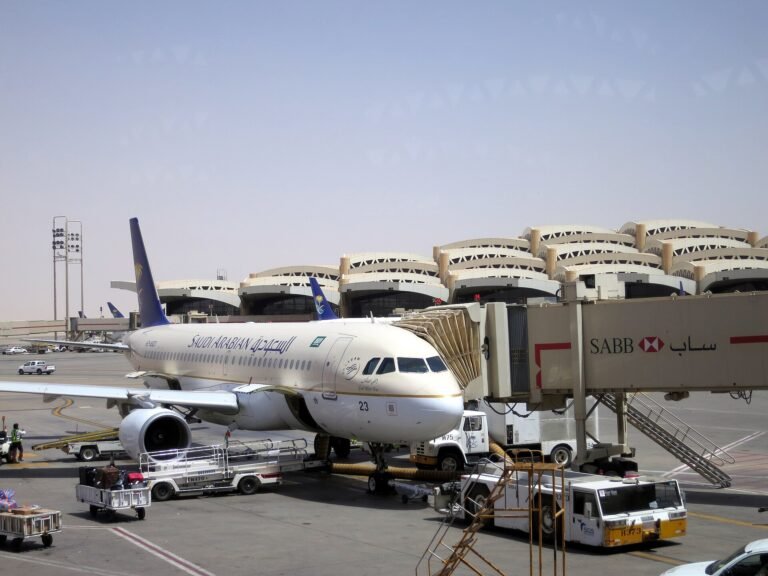
The General Authority of Civil Aviation (GACA) said the 8 October, 2026 attack involved two strikes on King Khalid International Airport. The first targeted airport facilities and the second struck an aircraft belonging to Saudi national carrier Saudia. Several Saudi citizens and residents of different nationalities were injured, with injuries ranging from minor to severe, while the attacks caused material damage. GACA said emergency teams responded immediately and that airport operations and air traffic subsequently returned to normal.
The attack was claimed by Yemen’s Iran-aligned Houthi movement, which said it had launched missiles at King Khalid International Airport. Saudi authorities, however, did not formally attribute the 8 October attack to the Houthis in their initial GACA statement. The attribution comes from the Houthi claim and the wider sequence of attacks for which the group has claimed responsibility.
Saudia confirms captain’s death and aircraft damage
Saudia subsequently confirmed that Captain Hamoud Ali Alkalthami was among those killed in the 8 October, 2026 incident. In a statement issued on 9 October, 2026, the airline expressed its condolences to his family, relatives and colleagues and said it recognised his contribution to the national carrier.
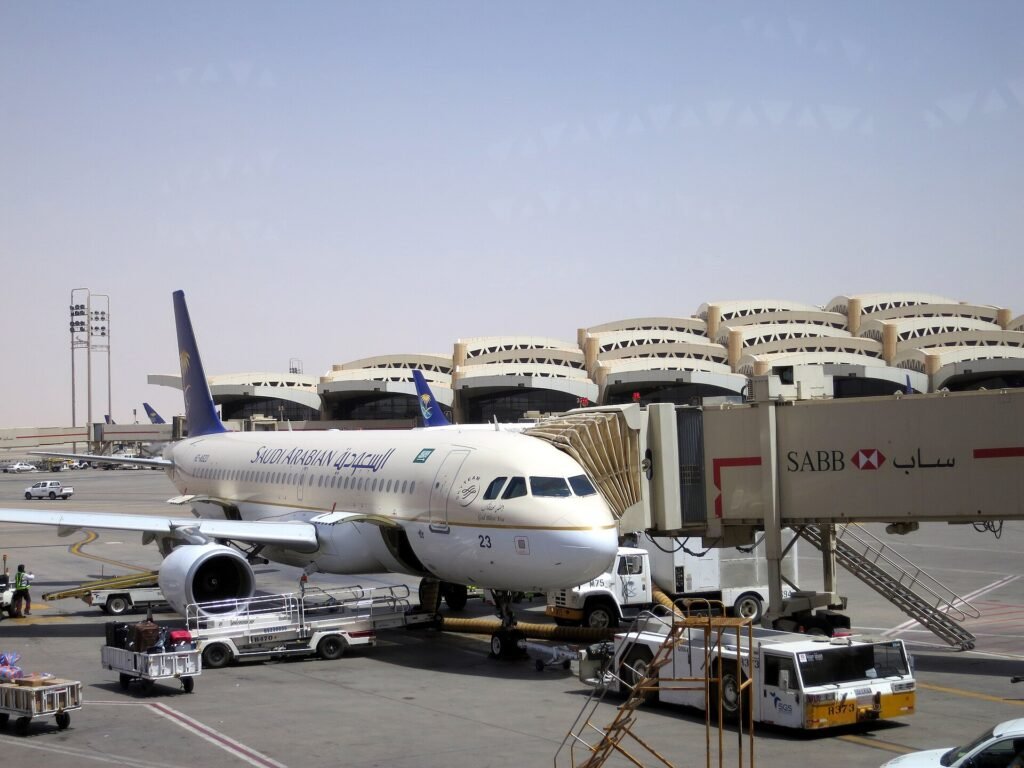
Saudia also confirmed that one of its aircraft was damaged while parked on the ground at King Khalid International Airport and that no passengers were on board at the time. The airline did not identify the aircraft’s registration or model.
The aircraft type therefore remains officially unconfirmed. Some aviation reports have described the damaged aircraft as an Airbus A320, but that identification has not been confirmed by GACA or Saudia and should therefore be treated as reported, not confirmed.
The circumstances of Captain Alkalthami’s death have also not been publicly detailed by Saudia. The airline confirmed his death in the airport incident but did not specify whether he was killed by the projectile, debris, fire or another consequence of the attack. The identities of the other two Saudi victims have not been publicly released in the official statements.
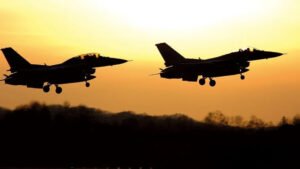
Following the Riyadh airport strike, the Saudi-led coalition supporting Yemen’s internationally recognised government said it had destroyed three Houthi rocket-launch platforms used to threaten regional security. Coalition spokesman Major General Turki Al-Maliki said attacks on civilians and civilian infrastructure would be met with a firm response.
Saudi-led forces also carried out strikes against Houthi-held areas in Yemen. Reports from Houthi-controlled sources said strikes hit parts of Sanaa, with six people, including a child, reported injured. Saudi authorities had not independently confirmed those casualty reports as of the latest reporting.
On 8 October, 2026 the coalition said it had intercepted and destroyed two ballistic missiles heading towards Riyadh and another missile heading towards Khamis Mushait. The Houthis also claimed attacks against Najran airport and a military site in Khamis Mushait, but the Najran airport claim was not confirmed by Saudi authorities.
There were also reports of debris from an intercepted missile damaging a kindergarten and a medical complex in Riyadh.
Although GACA said air traffic returned to normal after the 8 October, 2026 attack, the strikes caused major disruption to international aviation. More than 124 flights to and from Riyadh had been cancelled by Friday afternoon, following hundreds of cancellations a day earlier. Airlines including Air India, Flydubai, Lufthansa Group and Pakistan International Airlines suspended or curtailed services to Riyadh and other Saudi airports.
Several Indian carriers also took precautionary measures. Air India and Air India Express suspended Riyadh services through 10 October, 2026 while IndiGo and Akasa Air cancelled or curtailed flights amid the security situation. An Air India Delhi-Riyadh flight turned back to Delhi after the escalation.
The aviation risk remains elevated even though Riyadh airport operations have resumed. The European Union Aviation Safety Agency (EASA) revised its Saudi airspace conflict-zone bulletin on 9 October, 2026 citing the increased risk created by missile and drone activity, air-defence interceptions and falling debris. Its current bulletin covers the Jeddah Flight Information Region at all altitudes and remains valid until 16 November unless reviewed earlier.
The UK Foreign, Commonwealth & Development Office also updated its Saudi Arabia travel advice on 9 October, 2026 advising against all but essential travel to Aseer, Riyadh and Najran provinces, Jizan province and Taif city, while maintaining stricter advice for areas close to the Yemen border.
Earlier airport attacks killed three foreign residents
The 8 October, 2026 Riyadh attack followed two earlier airport attacks on 6 and 7 October, 2026.
On 6 October, 2026 Abha International Airport in southwestern Saudi Arabia was attacked. GACA said two female residents, one Moroccan and one Algerian, were killed and 28 people were injured. The injured included Saudi citizens as well as Bangladeshi and Filipino residents.
On 7 October, 2026 another attack targeted King Khalid International Airport in Riyadh, killing a Sudanese resident and injuring eight people. GACA said the injured included five Saudi citizens, two Egyptian residents and one Pakistani resident. Their injuries ranged from minor to severe, and those injured were taken to hospitals.
These earlier attacks brought the confirmed death toll to three foreign residents before the 8 October, 2026 Riyadh strike killed three Saudi nationals. The OIC Independent Permanent Human Rights Commission, in a statement issued on 9 October, 2026 said the attacks between 6 and 8 October, 2026 killed three Saudi citizens and three foreign nationals and injured at least 36 people.
Houthi claims and wider escalation
The Houthis have claimed a growing series of attacks against Saudi infrastructure as fighting in Yemen has intensified. On 5 October, 2026 the group claimed attacks involving ballistic and cruise missiles and drones against King Khalid International Airport, Abha Airport, an Aramco refinery in Rabigh, Khamis Mushait and other sites. Saudi authorities did not immediately confirm all of those claims.
The attacks also extended beyond Saudi Arabia. On 7 October, 2026 Yemen’s internationally recognised government said Houthi missiles and drones targeted Aden International Airport, including the runway and passenger-terminal area. One missile reportedly landed near the runway shortly before a Cairo flight was due to arrive, forcing the aircraft to divert to Jeddah. No deaths were reported from that incident.
At the UN Security Council on 9 October, 2026 Saudi Arabia condemned the Riyadh airport attack and described the strikes as part of a wider escalation against its territory and civilian infrastructure. The United States also condemned the Houthi attacks on Saudi airports, while UN Special Envoy Hans Grundberg warned that Yemen had slipped back into full-scale war.
Saudi Arabia told the Security Council that the 8 October, 2026 attacks on King Khalid International Airport killed three Saudi civilians and injured others, while also noting earlier attacks on Abha and Riyadh airports on 6 and 7 October. Saudi officials said attacks had also affected facilities in Jazan and Najran and warned that the Houthi campaign posed a direct threat to civil aviation and civilian infrastructure.
Pakistan, a Saudi ally under the recently established Makkah Joint Defence framework with Saudi Arabia and Türkiye, condemned the attacks and said its forces and resources already present in Riyadh were intended for the defence of Saudi territory. Islamabad said the alliance would not be used to launch offensive operations across the border into Yemen.
As of 10 October 2026, the 8 October 2026 Riyadh airport attack remains the latest confirmed deadly attack on Saudi civil aviation. Saudi airports remain operational, but the continuing Houthi missile and drone threat has prompted aviation authorities and airlines to impose additional precautions, while Saudi-led forces continue military operations against Houthi positions in Yemen.