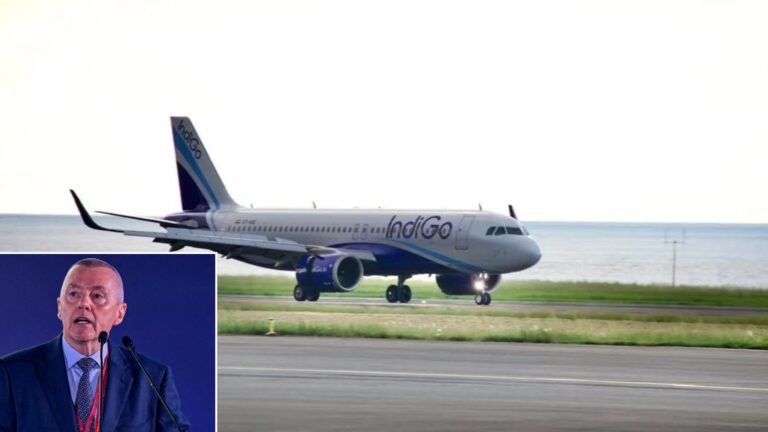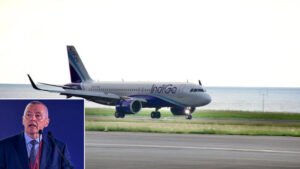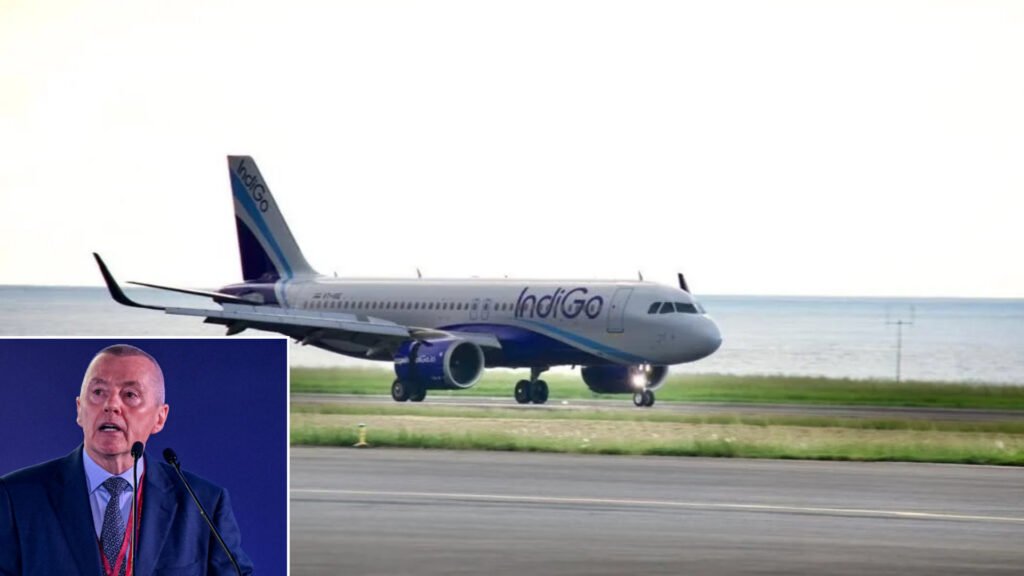
New Delhi, India: IndiGo Chief Executive Officer Willie Walsh on Monday, 2 November, 2026 called for lower airport charges and taxes in India, saying the aviation market would perform better if airlines faced a more competitive cost environment. Speaking at a media briefing in New Delhi, Walsh said airport operators needed to offer more competitive pricing and urged all stakeholders to focus on controlling costs to support the expansion of the country’s aviation sector.
Responding to a question from Press Trust of India (PTI) about whether his views on India’s airport charges and aviation taxes had changed since his tenure as Director General of the International Air Transport Association (IATA), Walsh said, “I have not changed my view”. He reiterated his criticism of the existing cost structure, stating, “Airport charges are too high and so this market would do much better if we had lower taxes. So lower taxes, lower airport charges, that is the way forward.”
Explaining the airline’s expectations from airport operators, Walsh said, “We will continue to look for them to be much more competitive when it comes to pricing given that they are effective monopolies.” He added, “… I think to be honest with you, the opportunity to expand in India, we require everybody to be focused on their cost base.” India currently has more than 160 airports, while IndiGo remains the country’s largest airline, with a domestic market share of more than 65 per cent and approximately 2,200 daily flights.
The comments come as Indian airlines face mounting financial pressure from higher aviation turbine fuel (ATF) prices and currency fluctuations. IndiGo reported a net loss of Rs 1,879.1 crore (US$198 million) in the September quarter of 2026, with higher fuel costs and rupee depreciation affecting its profitability. The airline also reduced its capacity amid the challenging operating environment. Its passenger numbers declined 4.7 per cent year-on-year in the quarter ended 30 September 2026, with aviation experts attributing the fall to higher airfares amid rising fuel costs.
In a separate comment made the previous Thursday, Walsh indicated that IndiGo might have to increase fares to offset the sharp rise in fuel expenses. “We have no choice but to look to increase fares to offset a very significant rise in fuel bill,” he said, adding, “I’ve been in this industry for 47 years. I’ve never seen anything like this.”
Despite the cost pressures, Walsh expressed confidence in the Indian aviation market and IndiGo’s expansion prospects. At his first in-person briefing since taking over as CEO in August 2026, he said the airline continued to see significant growth opportunities despite the challenges facing the industry. “We see incredible opportunities,” he said, adding that IndiGo had the necessary ingredients to succeed in the long-haul market.
Walsh also provided an update on the airline’s wide-body expansion plans, saying IndiGo expects to begin receiving Airbus A350 aircraft from the second quarter of 2028. He also identified the newly developed Navi Mumbai International Airport as a significant opportunity for the airline. He said IndiGo’s decision to partly shift its international flights to the airport had been taken in the airline’s interest.
IndiGo currently operates more than 400 aircraft and over 2,100 flights daily, according to the operational figures cited in the coverage of the briefing. Its expansion plans come as the airline seeks to strengthen its international network while managing rising operating costs.