News
Civil Aviation
Pilot Training
Flight School Analysis
Aviation Jobs
Training
Services
About Us
Contact Us

Ryanair CEO Warns Of European Airline Bankruptcies As Iran War Drives Fuel Crisis 

Picture of Aviation Today News Desk

Aviation Today News Desk

Dublin, Ireland: The chief executive of Ryanair has warned that a prolonged Iran conflict could push several European airlines into bankruptcy, as surging jet fuel prices and supply uncertainty begin to strain the aviation industry globally. Michael O’Leary said that “two or three European airlines could go bankrupt” by late 2026 if oil prices remain elevated, specifically naming Wizz Air and airBaltic among the most vulnerable carriers. The warning comes amid a sharp escalation in fuel costs following the Iran war, which has disrupted global energy markets and constrained supply routes, particularly through the Strait of Hormuz. Jet fuel prices have nearly doubled since the conflict began, rising from around $74 per barrel to approximately $150, placing significant financial pressure on airlines. Industry-wide, prices have surged by nearly 84% since late February, forcing airlines to reassess operations, pricing, and capacity plans. O’Leary said the crisis has already added about $50 million to Ryanair’s fuel bill in April alone and could increase annual costs by as much as $600 million if current price levels persist. While Ryanair has mitigated some impact by hedging around 80% of its fuel at $67 per barrel through 2027, the remaining exposure to market prices continues to weigh on costs. Beyond pricing, airline executives remain concerned about potential fuel shortages if the conflict continues to disrupt supply chains. O’Leary warned that up to 10-20% of fuel supply could be at risk, particularly from June onward, raising the possibility of flight disruptions if airports face shortages. However, more recent industry updates suggest that immediate supply risks may be easing. Fuel suppliers have indicated that Europe is unlikely to face shortages through at least June, improving short-term outlooks. Despite this, uncertainty remains high, with executives acknowledging limited visibility on how long the conflict and its impact on fuel logistics will continue. Carriers across Europe have already begun responding to the crisis by raising fares, reducing capacity, and adjusting schedules. Major airline groups including Air France-KLM, IAG, and Lufthansa have implemented fare increases and flight cuts to offset rising fuel costs. At the same time, some low-cost carriers are taking a different approach. Ryanair expects to lower fares to stimulate demand, leveraging its fuel hedging advantage, while maintaining profitability. The broader industry continues to show resilience, with global capacity still slightly above 2025 levels despite mounting cost pressures. The conflict has also begun to influence passenger behaviour, with uncertainty delaying travel bookings. Executives at Wizz Air report a “wait-and-see” trend among customers, particularly for peak summer travel, although underlying demand remains strong. The airline expects a €50 million financial impact from the crisis but maintains that it has sufficient liquidity and hedging strategies in place to manage the situation. Wizz Air has strongly rejected claims that it faces a risk of collapse, calling such suggestions unfounded and emphasising its financial strength, fuel hedging, and operational stability. CEO József Váradi stated that the airline does not expect to run out of fuel, noting that global supply chains are adapting, with fuel shipments being redirected from alternative markets such as the United States. He also highlighted that Wizz Air has hedged approximately 70% of its fuel needs and plans to expand capacity during the summer season, underscoring confidence in continued operations. The crisis extends beyond airlines to the wider aviation ecosystem. Industry bodies have warned that smaller regional airports could face an “existential threat” if rising fuel costs and potential cancellations reduce traffic further. Meanwhile, geopolitical tensions and airspace disruptions have already reduced flight activity in parts of the Middle East by as much as 50%, adding further complexity to global airline operations.
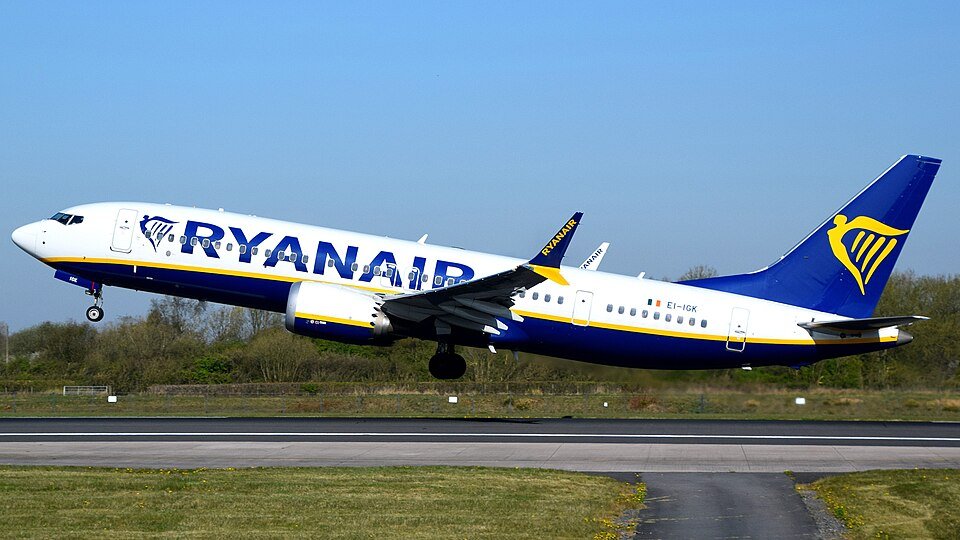
Image: Ryanair

Dublin, Ireland: The chief executive of Ryanair has warned that a prolonged Iran conflict could push several European airlines into bankruptcy, as surging jet fuel prices and supply uncertainty begin to strain the aviation industry globally.

Michael O’Leary said that “two or three European airlines could go bankrupt” by late 2026 if oil prices remain elevated, specifically naming Wizz Air and airBaltic among the most vulnerable carriers.

The warning comes amid a sharp escalation in fuel costs following the Iran war, which has disrupted global energy markets and constrained supply routes, particularly through the Strait of Hormuz.

Jet fuel prices have nearly doubled since the conflict began, rising from around $74 per barrel to approximately $150, placing significant financial pressure on airlines.

Industry-wide, prices have surged by nearly 84% since late February, forcing airlines to reassess operations, pricing, and capacity plans.

O’Leary said the crisis has already added about $50 million to Ryanair’s fuel bill in April alone and could increase annual costs by as much as $600 million if current price levels persist.

While Ryanair has mitigated some impact by hedging around 80% of its fuel at $67 per barrel through 2027, the remaining exposure to market prices continues to weigh on costs.

Beyond pricing, airline executives remain concerned about potential fuel shortages if the conflict continues to disrupt supply chains.

O’Leary warned that up to 10-20% of fuel supply could be at risk, particularly from June onward, raising the possibility of flight disruptions if airports face shortages.

However, more recent industry updates suggest that immediate supply risks may be easing. Fuel suppliers have indicated that Europe is unlikely to face shortages through at least June, improving short-term outlooks.

Despite this, uncertainty remains high, with executives acknowledging limited visibility on how long the conflict and its impact on fuel logistics will continue.

Carriers across Europe have already begun responding to the crisis by raising fares, reducing capacity, and adjusting schedules.

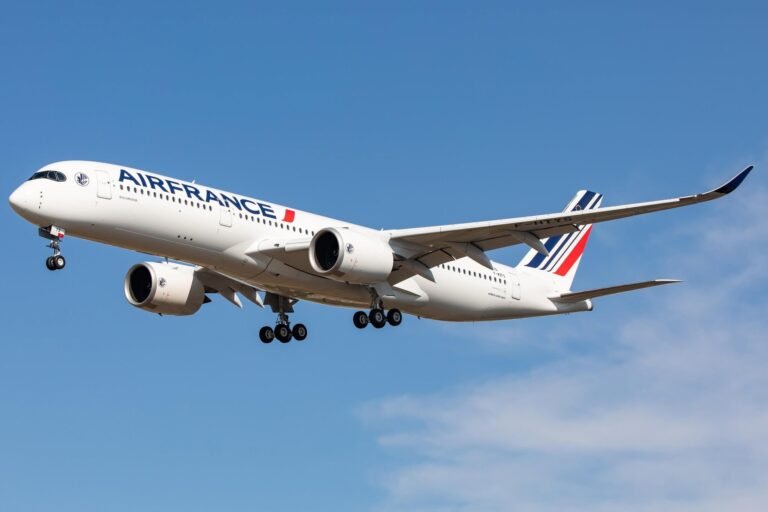
Major airline groups including Air France-KLM, IAG, and Lufthansa have implemented fare increases and flight cuts to offset rising fuel costs.

At the same time, some low-cost carriers are taking a different approach. Ryanair expects to lower fares to stimulate demand, leveraging its fuel hedging advantage, while maintaining profitability.

The broader industry continues to show resilience, with global capacity still slightly above 2025 levels despite mounting cost pressures.

The conflict has also begun to influence passenger behaviour, with uncertainty delaying travel bookings.

Executives at Wizz Air report a “wait-and-see” trend among customers, particularly for peak summer travel, although underlying demand remains strong.

The airline expects a €50 million financial impact from the crisis but maintains that it has sufficient liquidity and hedging strategies in place to manage the situation.

Wizz Air has strongly rejected claims that it faces a risk of collapse, calling such suggestions unfounded and emphasising its financial strength, fuel hedging, and operational stability.

CEO József Váradi stated that the airline does not expect to run out of fuel, noting that global supply chains are adapting, with fuel shipments being redirected from alternative markets such as the United States.

He also highlighted that Wizz Air has hedged approximately 70% of its fuel needs and plans to expand capacity during the summer season, underscoring confidence in continued operations.  The crisis extends beyond airlines to the wider aviation ecosystem.

Industry bodies have warned that smaller regional airports could face an “existential threat” if rising fuel costs and potential cancellations reduce traffic further.

Meanwhile, geopolitical tensions and airspace disruptions have already reduced flight activity in parts of the Middle East by as much as 50%, adding further complexity to global airline operations.

Leave a Comment

Subscribe to our Newsletter

Recent News