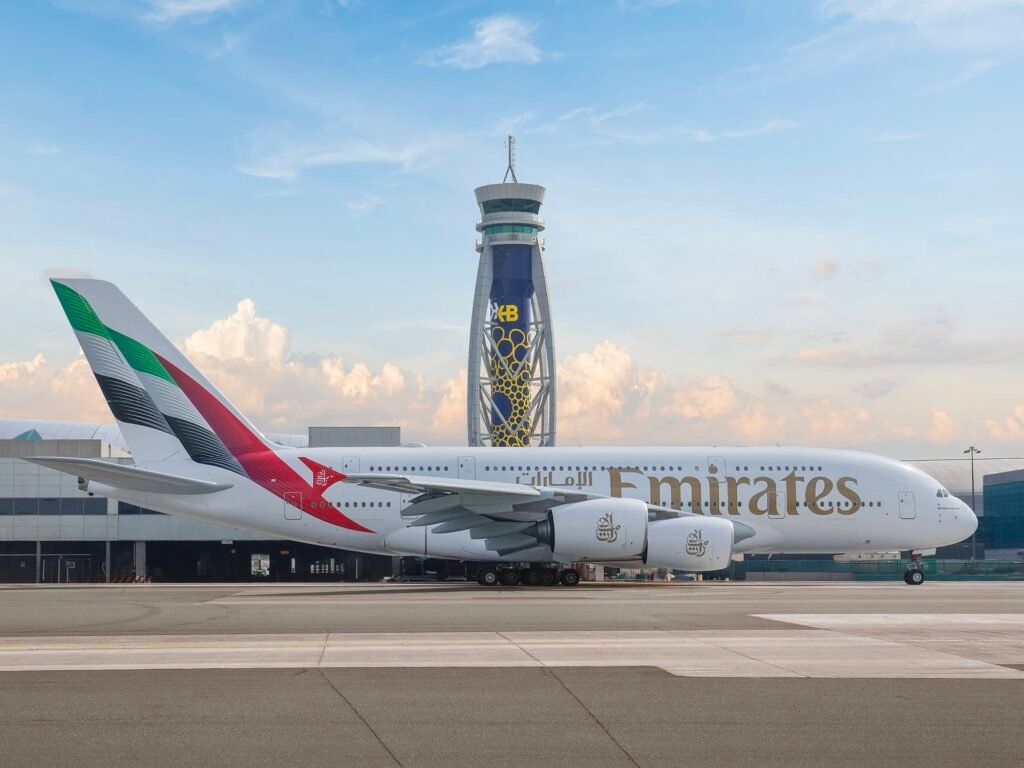
Middle East: Middle Eastern airlines are expected to require 3,830 new passenger aircraft by 2045, according to Airbus’ latest Global Market Forecast, as rising air travel demand, population growth, urbanisation and major investments in airlines and airports drive long-term fleet expansion.
The forecast calls for 2,160 single-aisle aircraft and 1,670 widebody aircraft over the next 20 years. Airbus expects passenger traffic to, from and within the Middle East to grow at an average annual rate of 4.7%, more than doubling by 2045. The 3,830-aircraft figure represents projected market demand and is not a tally of confirmed aircraft orders. Existing Middle Eastern backlogs for large single-aisle aircraft already cover about 45% of the region’s projected 20-year demand.
Gabriel Semelas, President of Airbus Africa and Middle East, said regional airlines were showing operational resilience despite geopolitical volatility. He said demographic growth, rising prosperity and major infrastructure investment were supporting fleet expansion and modernisation while the region moves towards more efficient and sustainable air transport.
Airbus expects the region’s growth to be supported by rising disposable incomes, greater urbanisation and a substantial expansion of the middle class. The Middle Eastern middle-class population is forecast to increase by 240 million to 620 million by 2045, while urbanisation is expected to reach 55% of the population.
Air travel frequency is also projected to increase significantly. In Saudi Arabia, annual air trips per person are forecast to rise from 1.6 in 2025 to 4.0 in 2045. In the UAE, the figure is expected to increase from 3.1 to 6.5 trips per person over the same period. Airbus said the figures represent projected travel frequency rather than the number of aircraft individual countries will purchase.
Fleet renewal will be another major component of the projected aircraft demand. Airbus forecasts that new-generation aircraft will account for 97% of the Middle East fleet by 2035, compared with 45% in 2025.
The manufacturer said the shift towards newer aircraft would improve fuel efficiency and operating performance while supporting reductions in emissions. The Middle East is therefore expected to experience one of the faster fleet-modernisation rates as airlines replace older aircraft while adding capacity for expanding networks.
The regional outlook also comes as Middle Eastern carriers continue to place significant aircraft orders. In May 2026, Saudia became the first airline in the Middle East and Africa to receive an Airbus A321XLR, with 15 A321XLRs on order. In July 2026, Saudi low-cost carrier flynas agreed to acquire five additional A330-900s and 20 additional A321neos, taking its firm Airbus commitment to 235 aircraft.
Airbus said multi-billion-dollar investments in airlines, airport infrastructure and regional giga-projects are reshaping the Middle East’s aviation network. The investments are creating additional connectivity hubs and supporting growth across the wider aviation ecosystem.
The forecast comes as Airbus expects aviation networks globally to become more decentralised over the next two decades. Globally, Airbus forecasts demand for 42,060 new aircraft between 2026 and 2045, including 33,920 typically single-aisle aircraft and 8,140 typically widebody aircraft. Of the total, 22,240 aircraft are required for fleet growth and 19,820 for replacement of older aircraft. Global passenger traffic is forecast to grow by 3.9% annually, reaching about 10 billion passengers per year by 2045.
The Middle East is also expected to play a growing role in the development of sustainable aviation fuel (SAF). Airbus said sovereign investment strategies and regional aviation programmes are positioning Middle Eastern airlines and other stakeholders to become potential hubs for future SAF production.
The company did not provide a specific regional SAF production volume or a firm timeline for individual projects in the forecast.
The Middle East aircraft forecast therefore combines fleet replacement with additional capacity required for higher passenger demand. Airbus’ outlook indicates that airlines will increasingly rely on newer-generation single-aisle and widebody aircraft as the region expands its international connectivity, airport infrastructure and aviation-related investment through 2045.