Picture credits: Emirates
Paris/London: Global airlines are warning that efforts to achieve net-zero emissions by 2050 are slipping off course, with tensions rising between airlines, fuel suppliers, aircraft manufacturers, and air traffic agencies over the rollout of Sustainable Aviation Fuel (SAF).
Willie Walsh, Director General of the International Air Transport Association (IATA), has expressed growing frustration over the aviation sector’s slow progress in transitioning to SAF. He accused energy firms and other industry stakeholders of failing to contribute their fair share, leaving airlines to shoulder the financial burden alone. “We don’t see others playing their part. In fact, they’re behind where they should be and moving in the wrong direction,” Walsh said in an interview. “They’re all committed—so long as we pay the bill. And that’s just unacceptable.”
The aviation industry set a goal in 2021 to reach net-zero emissions by 2050, with a major focus on SAF adoption. However, airlines are becoming increasingly concerned that airports, air traffic control agencies, and fuel companies are not making adequate progress. Walsh criticized fuel suppliers for failing to meet SAF production commitments and dismissed an interim government target to cut aviation emissions by 5% by 2030, arguing that there is currently only enough SAF to cover 1% of today’s fuel needs.
Amid these concerns, the upcoming IATA annual meeting in June (Delhi, India) could see airlines pushing to reassess the 2050 commitment if other stakeholders do not step up. Walsh also pointed to delays in new aircraft deliveries and the long-stalled effort to modernize European airspace as additional hurdles to decarbonization.
SAF Registry Goes Live to Support Net-Zero Transition
Despite these setbacks, IATA has taken a significant step toward facilitating SAF adoption with the launch of the Sustainable Aviation Fuel (SAF) Registry. Now managed by the Civil Aviation Decarbonization Organization (CADO), the registry is designed to create a global market for SAF, ensuring transparency and accountability in transactions.
Aviation’s decarbonization is a team effort,” said Marie Owens Thomsen, IATA’s Senior Vice President of Sustainability and Chief Economist. “The SAF Registry is a critical platform ensuring that all airlines have access to SAF and that purchases are properly recorded. However, for real progress, governments must redirect subsidies from fossil fuels to renewable energy, as they did with wind and solar power.
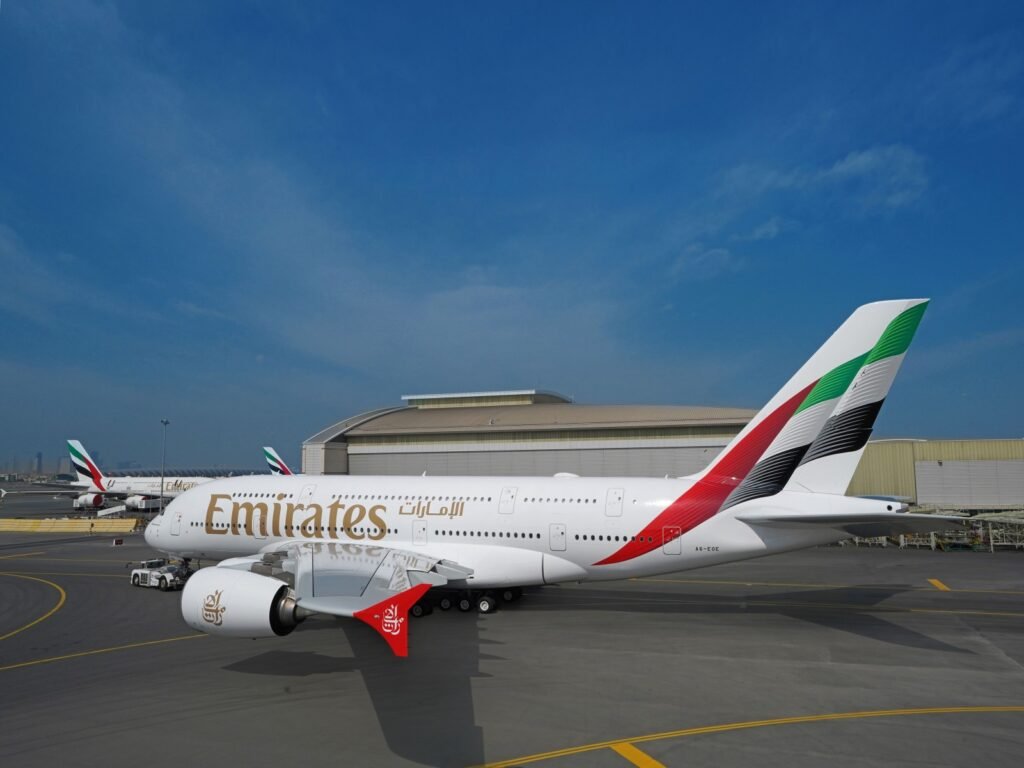
The SAF Registry aims to prevent double counting and allow airlines to claim SAF purchases against climate-related obligations. Participating organizations include major airlines, aircraft manufacturers, and energy firms such as Airbus, Boeing, Emirates, Qatar Airways, Lufthansa Group, and Virgin Atlantic.
While the SAF Registry is a significant development, industry leaders stress that it alone cannot solve aviation’s decarbonization challenges. Without stronger collaboration from energy companies, regulatory bodies, and air traffic agencies, the industry’s net-zero ambitions may remain out of reach.
Stay updated on Aviation Today for more aviation-related updates!

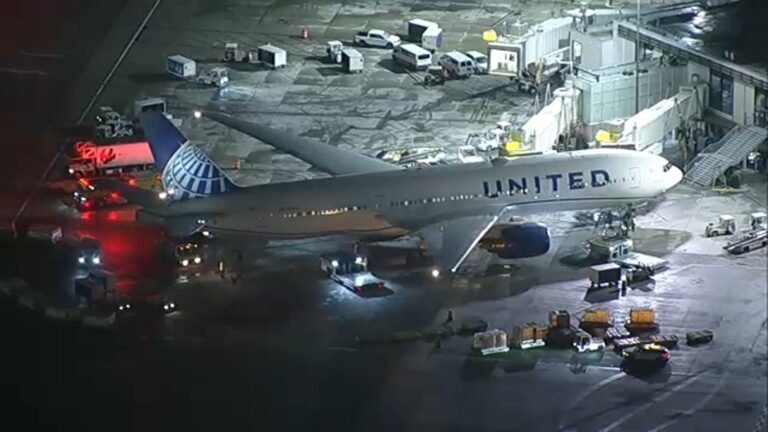
![Washington, United States: A United Airlines flight bound for Guatemala City made an emergency diversion to Washington Dulles International Airport after a passenger allegedly attempted to open a cabin door at cruising altitude and assaulted another traveler, according to air traffic control communications and federal authorities. The incident involved United Airlines Flight 1551, operated by a Boeing 737 MAX 8, which departed from Newark Liberty International Airport on Thursday evening carrying 145 passengers and six crew members. The aircraft had been en route to Guatemala City when the crew declared an emergency and diverted to Washington Dulles International Airport in Virginia. According to audio between the flight crew and air traffic controllers, the pilot informed controllers that the disruptive passenger attempted to open Door 2L while the aircraft was cruising at approximately 36,000 feet. The pilot also reported that the passenger later assaulted another individual onboard. During the exchange, the tower asked the crew which door the passenger had attempted to access. The pilot responded: “Door 2L at 36,000 feet and then [the passenger] assaulted a fellow passenger.” When controllers asked whether there were any injuries onboard, the pilot replied: “Not to our knowledge.” The aircraft landed safely at Washington Dulles at approximately 8:38 p.m. local time. Law enforcement and emergency personnel met the aircraft upon arrival. The FBI later confirmed that agents responded to the incident at the airport, although the agency did not immediately release additional details regarding the passenger’s identity, possible charges, or whether the individual was taken into federal custody. Flight tracking data showed the aircraft remained airborne for a period before diverting toward the Washington region instead of continuing south toward Guatemala. The diversion temporarily disrupted the scheduled international service but no injuries among passengers or crew were officially reported. United Airlines had not issued a detailed public statement at the time of publication regarding the circumstances surrounding the diversion or the status of the passenger involved. Federal authorities are expected to review crew reports, passenger statements, and onboard evidence as part of the investigation.](https://aviationtoday.in/wp-content/uploads/2026/05/AVIATION-TODAY-UNITEDV-AIRLINES-RUDE-PASSENGER-768x432.jpg)


![Washington, United States: A United Airlines flight bound for Guatemala City made an emergency diversion to Washington Dulles International Airport after a passenger allegedly attempted to open a cabin door at cruising altitude and assaulted another traveler, according to air traffic control communications and federal authorities. The incident involved United Airlines Flight 1551, operated by a Boeing 737 MAX 8, which departed from Newark Liberty International Airport on Thursday evening carrying 145 passengers and six crew members. The aircraft had been en route to Guatemala City when the crew declared an emergency and diverted to Washington Dulles International Airport in Virginia. According to audio between the flight crew and air traffic controllers, the pilot informed controllers that the disruptive passenger attempted to open Door 2L while the aircraft was cruising at approximately 36,000 feet. The pilot also reported that the passenger later assaulted another individual onboard. During the exchange, the tower asked the crew which door the passenger had attempted to access. The pilot responded: “Door 2L at 36,000 feet and then [the passenger] assaulted a fellow passenger.” When controllers asked whether there were any injuries onboard, the pilot replied: “Not to our knowledge.” The aircraft landed safely at Washington Dulles at approximately 8:38 p.m. local time. Law enforcement and emergency personnel met the aircraft upon arrival. The FBI later confirmed that agents responded to the incident at the airport, although the agency did not immediately release additional details regarding the passenger’s identity, possible charges, or whether the individual was taken into federal custody. Flight tracking data showed the aircraft remained airborne for a period before diverting toward the Washington region instead of continuing south toward Guatemala. The diversion temporarily disrupted the scheduled international service but no injuries among passengers or crew were officially reported. United Airlines had not issued a detailed public statement at the time of publication regarding the circumstances surrounding the diversion or the status of the passenger involved. Federal authorities are expected to review crew reports, passenger statements, and onboard evidence as part of the investigation.](https://aviationtoday.in/wp-content/uploads/2026/05/AVIATION-TODAY-UNITEDV-AIRLINES-RUDE-PASSENGER-300x169.jpg)