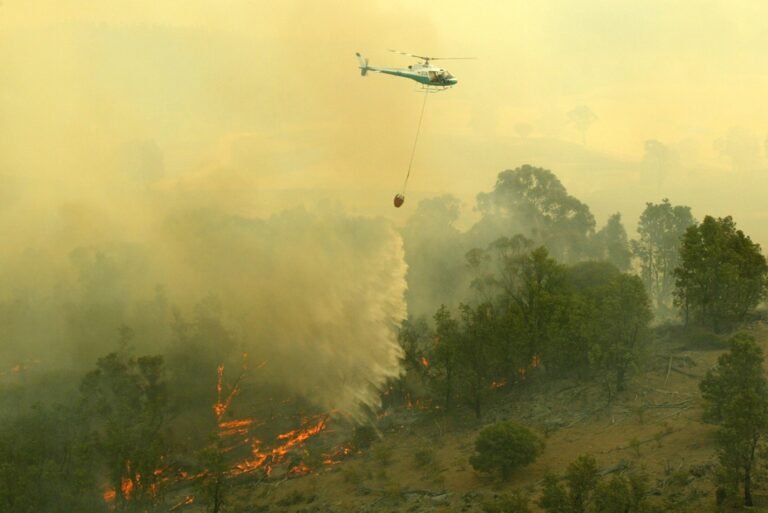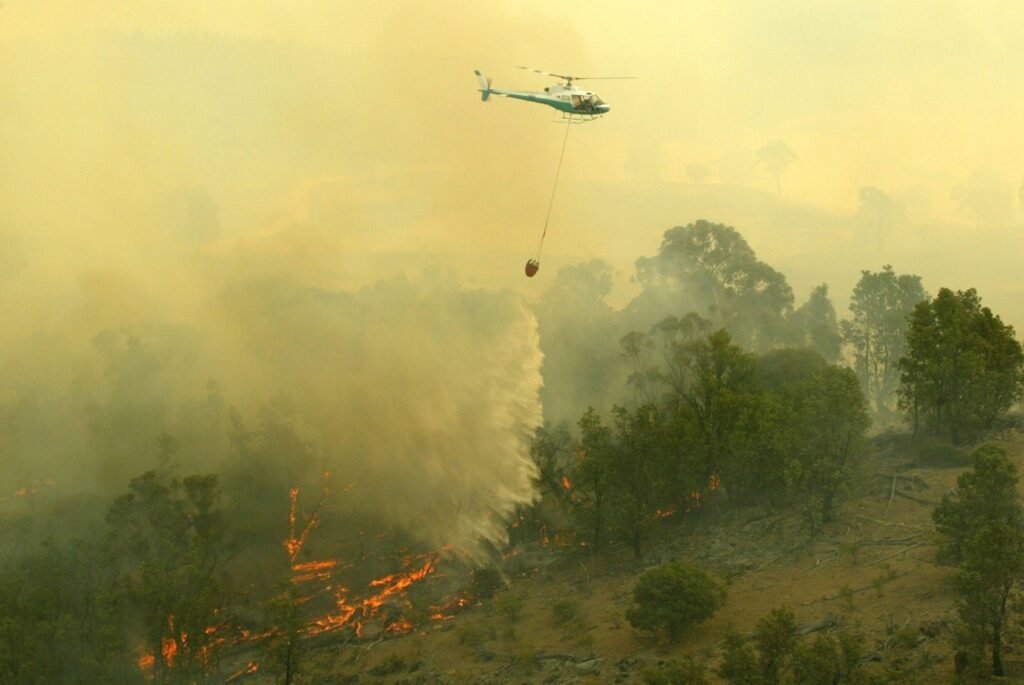
Sydney, Australia: The Australian Transport Safety Bureau (ATSB) published a safety survey on 21 October 2026 highlighting concerns over incident reporting and safety culture among Australia’s aerial firefighting pilots, despite generally positive feedback on operational tasking and communication. The findings are part of an ongoing safety study examining systemic risks and opportunities to improve aerial firefighting operations.
The survey covered 149 pilots registered with the National Aerial Firefighting Centre (NAFC) and examined four areas: tasking, communication, reporting culture and safety culture. ATSB Director of Transport Safety Dr Stuart Godley said, “Respondents were largely positive on the topic of tasking, with the exception being just over half did not consider decision-makers directing aircraft to have sufficient aviation training and experience.” He added, “Sentiment was also majority positive about communication within Australia’s aerial firefighting operations. But more negative sentiment was recorded on questions relating to reporting culture, and safety culture.”
The most significant concern involved the difference between incidents experienced and those reported. The survey found that 61% of respondents had experienced an incident during the 2017–2022 fire seasons, while only 35% reported one during the same period. Pilots were particularly critical of what they perceived as inadequate responses from tasking agencies after incidents were reported. The report also found that reporting culture received the lowest proportion of positive responses and the highest proportion of negative responses among the four areas examined.
Although respondents were generally positive about tasking arrangements, more than half disagreed that personnel responsible for directing aircraft had sufficient aviation training and experience. Most pilots considered task demands realistic, reported that fatigue had not affected their ability to complete assigned tasks, and said they had not been asked to undertake safety-sensitive tasks outside their duty periods. Respondents also generally indicated that tasking agencies encouraged pilots to prioritise safety over completing assigned missions.
The survey found that 69% of respondents had refused an assigned task because of safety concerns between 2017 and 2022. Weather conditions, including high winds, turbulence and poor visibility, accounted for 79% of the reasons provided for refusing tasks. While 76% of respondents who answered the relevant question said no pressure had been applied after refusing a task for safety reasons, 31% reported pressure from a tasking fire agency to fly.
At least 60% of respondents rated interactions between pilots and tasking agencies as good or excellent and considered flight-following arrangements timely, with prompt responses to missed operational status calls.
However, approximately half of respondents agreed that radio communication around firegrounds was managed well, safety information was communicated effectively, opportunities existed to brief or debrief incidents, and pilots and agency personnel worked together to resolve safety issues.
Pilots identified additional information they wanted before and during operations, particularly details of other aircraft operating in the area and their altitudes, improved hazard information including powerline mapping, and weather conditions and associated operating limits at firegrounds.
The report found that 42% of respondents were comfortable reporting incidents through formal channels, while 21% disagreed that they were comfortable doing so. Approximately 40% agreed that they could report incidents without fear of repercussions, while more than a third disagreed.
Among pilots who had needed to report an incident, 82% said they had not been discouraged from doing so. However, respondents were less positive about what happened after reports were submitted. No more than a quarter of respondents who had reported incidents agreed that tasking agencies provided feedback, resolved reports quickly or implemented positive changes following reports.
The most frequently reported serious incidents and close calls between 2017 and 2022 involved near misses, hazardous weather at firegrounds and poor communication.
Adverse weather and environmental conditions were identified as the biggest perceived threat to aerial firefighting safety by just under half of respondents. Other leading concerns included midair collisions, cited by 30%; poor communication, cited by 23%; pilot inexperience, lack of airmanship, inadequate training or insufficient recent flying experience, cited by 21%; and fire agency safety culture, also cited by 21%.
Agency pressure to fly in poor weather or against standard operating procedures was identified by 20% of respondents as a safety threat.
The report also examined changes affecting safety between 2017 and 2022. More than a third of respondents said they had not observed any changes that improved safety. Among improvements identified, the adoption of traffic-awareness technology, including OzRunways and automatic dependent surveillance-broadcast (ADS-B), was the most frequently cited. Communication, flight-following arrangements and fatigue management were also mentioned.
When asked about changes that had worsened safety, 23% said they had not observed any. Fire agency personnel’s aviation knowledge and experience was the most frequently identified concern, followed by increased regulation and bureaucracy and pilot inexperience. The three most frequently suggested improvements were better aviation knowledge and experience among fire agency personnel, stronger aircrew training and mentorship, and nationally consistent standards.
The ATSB report notes that several safety initiatives have been introduced or are in progress as the wider study continues.
The New South Wales Rural Fire Service has reported developing and implementing an Aviation Safety Management System. Other initiatives include formal aviation safety committees and assurance mechanisms; stronger hazard, occurrence and safety reporting systems supported by just-culture principles; dedicated aviation safety personnel; expanded aviation training, briefing and competency frameworks; improved operator engagement and contractor oversight; and safety performance indicators and continuous-improvement mechanisms. The service also conducted its own Aviation Safety Survey in late 2025 to assess awareness and the effectiveness of these reforms.
The NAFC Strategic Committee has committed to facilitating further safety actions, including the development of nationally consistent standards and strategies to identify and manage risks in aerial firefighting. The NAFC also established a national fire and emergency Aviation Safety Group in 2023, following a review of existing groups, including the Fire Emergency Aviation Technical group, to strengthen the sector’s focus on aviation safety.
The pilot survey forms Part B of the ATSB’s broader safety study into aerial firefighting in Australia. Part A, released on 13 May 2026, analysed interviews with 11 Australian fire agency representatives and nine aircraft operators involved in firefighting operations. Part C will examine occurrence data to identify key trends in aerial firefighting events.
Dr Godley said, “These three reports will then be considered as we develop findings and make any recommendations in a final report.”
The survey report presents pilots’ perceptions and does not itself establish final safety findings. The ATSB’s final report will synthesise the three parts of the study to identify systemic safety issues and further opportunities to improve the safety of aerial firefighting operations.