Picture credits: X
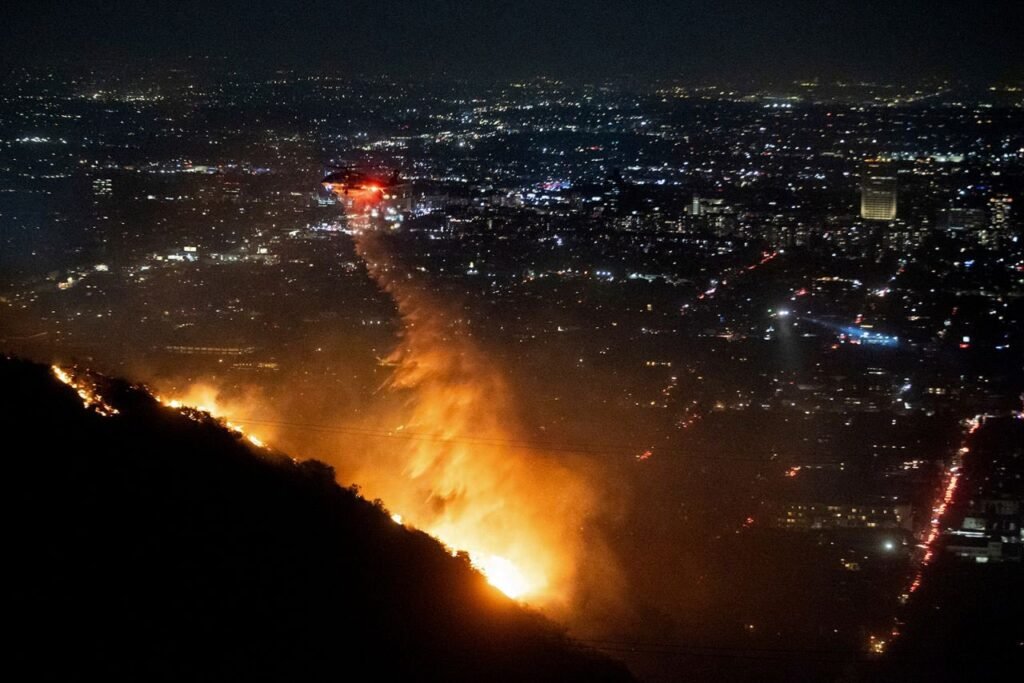
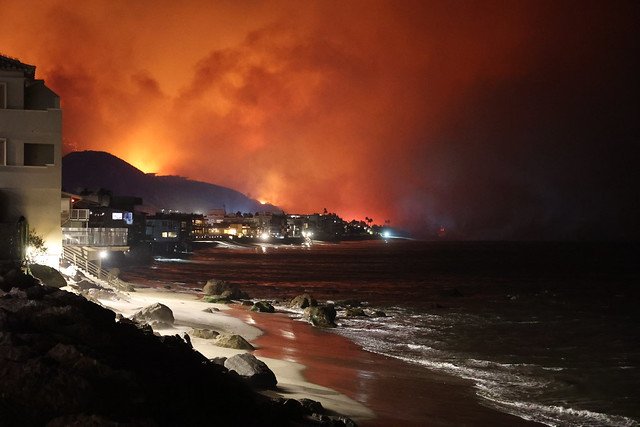
Los Angeles, CA: Multiple wildfires, including the Eaton Fire and Pacific Palisades Fire, are devastating Southern California. More than 200,000 residents have been evacuated, and thousands of structures have been destroyed. As of January 31, 2025, the wildfires have killed at least 29 people. The wildfires burned over 57,000 acres (23,000 ha) of land in total.
Aerial Firefighting Efforts Intensify as Multiple Aircraft Deployed to Combat Pacific Palisades Blaze
Coulson Aviation has deployed Chinook and Sikorsky S-76 helicopters to assist with the Pacific Palisades Fire. These aircraft are equipped for efficient water drops and aerial survey, essential for navigating the challenging winds and terrain in the fire zones.
Picture credits: The Department of Forestry and Fire Protection
The Sikorsky S-70i Firehawk, built for nighttime operations, is actively deployed with its advanced infrared systems. These enable precise water drops and surveillance in low-visibility conditions, ensuring firefighting efforts persist around the clock.
National Guard Support
The California National Guard has mobilized UH-60 Black Hawk helicopters, equipped with large water-carrying capacities, to assist in suppressing the fires. A total of 10 Black Hawks are actively involved in the firefighting efforts, helping to contain large fires.
Additional Aircraft and International Assistance
Smaller helicopters, such as the Bell 206, are also being used for patrol and light water drops, providing crucial intelligence and targeted interventions.
Canada is providing additional support with CL-415 water bombers from Quebec’s forest fire protection agency (SOPFEU). These Canadian-made aircraft can scoop water directly from lakes and rivers, making them particularly effective in wildfire zones where ground water resources are limited. The CL-415s have been part of California’s firefighting efforts for over 30 years
C-130 Planes Deployed for Los Angeles Wildfire Response
Eight C-130 military transport planes equipped with Modular Aerial Fire Fighting Systems (MAFFS) have been activated to support firefighting efforts across Los Angeles, US Northern Command announced on Thursday. The planes, coming from Nevada, Wyoming, and Colorado, will join other MAFFS-equipped aircraft in California. Some will be ready by Friday, with all operational by Sunday.
The MAFFS systems allow C-130s to deliver up to 3,000 gallons of fire retardant in under five seconds and can be refilled in under 12 minutes. These aircraft are part of a coordinated effort to support the Federal Emergency Management Agency (FEMA), the National Interagency Firefighting Center (NIFC), and California’s fire suppression efforts.
The Dangers of Drone Interference
The FAA reported that an aerial firefighting aircraft collided with a drone in restricted airspace over the Palisades Fire on Thursday. Fortunately, the aircraft landed safely. The FAA reiterated that drones are banned in fire zones and warned that violations could result in severe penalties, including fines and imprisonment.
The FAA stressed that drone interference can ground air tankers, delay firefighting efforts, and endanger lives.
As of Thursday night, Cal Fire reports the following updates on major wildfires in Southern California:
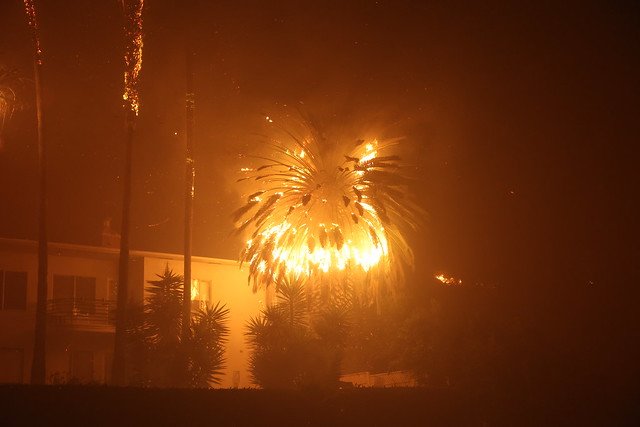
Picture credits: The Department of Forestry and Fire Protection
Palisades Fire: 23,707 acres burned
Eaton Fire: 14,021 acres burned
Hughes Fire: 10,425 acres burned
Kenneth Fire: 1,052 acres burned
Hurst Fire: 799 acres acres burned
Lidia Fire: 395 acres burned
Containment efforts are expected to improve as weather conditions become more favorable. The Los Angeles Fire Department is deploying additional resources, with around 2,300 firefighters dedicated to the Palisades Fire alone, supported by crews from across the state. As of January 10, 2025, over 7,500 personnel have been mobilized, including 2,000 firefighters from Cal Fire, 783 incarcerated firefighters, and support from neighboring states, with Oregon and Washington sending more than 500 firefighters to assist in the effort.
Stay updated with the latest aviation news by following Aviation Today.