News
Civil Aviation
Pilot Training
Flight School Analysis
Aviation Jobs
Training
Services
About Us
Contact Us

Airbus Forecasts 42,060 Aircraft By 2045 As Airlines Shift Routes Beyond Hubs Globally

Picture of Aviation Today News Desk

Aviation Today News Desk

Airbus Forecasts 42,060 Aircraft By 2045 As Airlines Shift Routes Beyond Hubs Globally SEO DES: Nearly half of future aircraft deliveries will replace older jets, while the rest will expand global fleets to meet rising passenger demand and connectivity SOCIAL: Airbus' 2026 Global Market Forecast projects demand for 42,060 new passenger aircraft by 2045, driven by sustained growth in global air travel and a shift in airline network strategies. The manufacturer expects airlines to expand direct connections between secondary cities using fuel-efficient aircraft with greater range and right-sized capacity, reducing reliance on traditional hub-and-spoke operations. Of the total demand, nearly half of future deliveries will replace older, less efficient aircraft, while the remainder will support fleet expansion as passenger traffic and global connectivity continue to grow. Toulouse, France: Airbus has projected demand for 42,060 new passenger aircraft over the next two decades, saying the future of commercial aviation will be shaped not only by rising passenger numbers but also by a fundamental shift in how airlines build and operate their route networks. In its 2026 Global Market Forecast (GMF), the European aircraft manufacturer said airlines are increasingly moving away from the traditional hub-and-spoke model, with growing emphasis on direct services between secondary cities and the deployment of aircraft capable of operating thinner, longer routes efficiently. According to Airbus, future fleet planning will be driven by the need for greater operational flexibility rather than simply adding capacity on high-density trunk routes. Airlines are expected to prioritize aircraft that can profitably connect new city pairs, fly longer distances with improved fuel efficiency and offer capacity better matched to passenger demand. The manufacturer expects urbanization trends to reshape global air travel. While the number of megacities worldwide is forecast to increase only modestly from 33 in 2025 to 37 by 2045, the number of medium and small cities is projected to rise from 2,251 to 2,857 during the same period. Airbus believes this expanding network of smaller urban centers will generate new demand for point-to-point connectivity. The evolution of airline networks is already evident. Airbus noted that the number of global city pairs has increased from approximately 17,000 in 2005 to 28,000 in 2025. More than 55% of today's city pairs did not exist two decades ago, while 78% of these newer routes involve small cities, highlighting the growing importance of regional and secondary markets. To serve these emerging markets, airlines are increasingly deploying new-generation narrowbody aircraft with greater range and improved economics. Airbus cited the A220 as an example, saying the aircraft has already enabled the launch of more than 400 new routes across North America, Europe and Africa, while identifying over 2,200 additional unserved routes that could be suitable for the type. The company also estimates that the A321XLR has the potential to serve more than 2,200 routes that are currently unserved. Despite ongoing geopolitical uncertainty and economic volatility, Airbus remains optimistic about long-term demand for air travel. The company forecasts that global passenger traffic will grow at an average annual rate of 3.9% between 2025 and 2045, with total Revenue Passenger Kilometres (RPKs) more than doubling from 9.9 trillion to 21.3 trillion over the forecast period. To accommodate this growth, Airbus expects the worldwide passenger aircraft fleet to expand from 23,310 aircraft in 2025 to 45,550 aircraft by 2045. The forecast indicates demand for 42,060 new passenger aircraft, including 22,240 aircraft required for traffic growth and 19,820 aircraft intended to replace older fleets. Airbus noted that replacement demand will account for nearly half of all deliveries, enabling airlines to improve fuel efficiency, reduce operating costs and support broader sustainability objectives through the introduction of newer-generation aircraft. Single-aisle aircraft are expected to dominate future deliveries. Airbus projects demand for 33,920 single-aisle aircraft, representing approximately 81% of total passenger aircraft demand through 2045. The manufacturer said this reflects continued growth in short- and medium-haul operations, as well as the expanding use of larger narrowbody aircraft on longer sectors. Airbus highlighted the growing market preference for the A321neo, noting that the aircraft's share of the A320neo Family backlog has increased from 7% to 75% over the past 15 years. Airlines, the company said, are increasingly selecting larger narrowbodies to benefit from higher seating capacity, extended range and lower unit operating costs. The role of narrowbody aircraft is also changing. Airbus reported that single-aisle flights exceeding five hours have more than tripled since 2005, a trend supporting aircraft such as the A321XLR, which enables airlines to connect city pairs that previously required either larger widebody aircraft or intermediate stops. Widebody aircraft will continue to play a significant role in long-haul aviation. Airbus forecasts demand for 8,140 widebody aircraft by 2045, comprising 3,900 aircraft for growth and 4,240 aircraft for fleet replacement. Over the same period, the global widebody fleet is expected to increase from 4,570 aircraft in 2025 to 8,470 aircraft. According to Airbus, widebodies will remain essential for high-capacity international routes and ultra-long-haul operations, particularly as airlines continue investing in premium cabin products and expanding long-distance services. The manufacturer said widebody flights exceeding 13 hours have quadrupled since 2005, while premium seating capacity has grown faster than economy-class capacity during the past two decades. Airbus identified the A350 as its flagship aircraft for ultra-long-range operations, while positioning the A330neo as a flexible platform capable of serving both regional and intercontinental markets. Looking ahead, Airbus believes aviation growth will increasingly be supported by expanding middle-class populations, rising household incomes, tourism, migration and greater demand for nonstop air services. Rather than concentrating traffic through a limited number of global hubs, the manufacturer expects airlines to continue opening new direct routes between smaller cities using aircraft that combine range, efficiency and appropriately sized capacity. The company said the next phase of aviation growth will not be defined solely by the number of aircraft delivered, but by how airlines deploy those aircraft to create more diverse and flexible global networks.
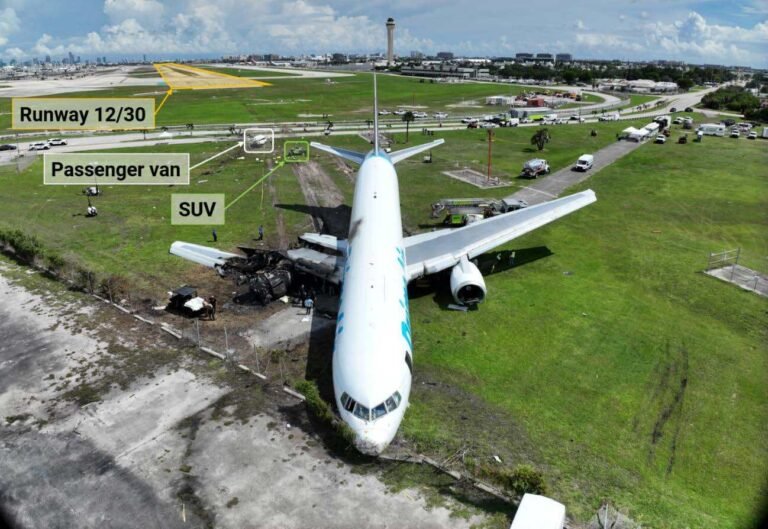
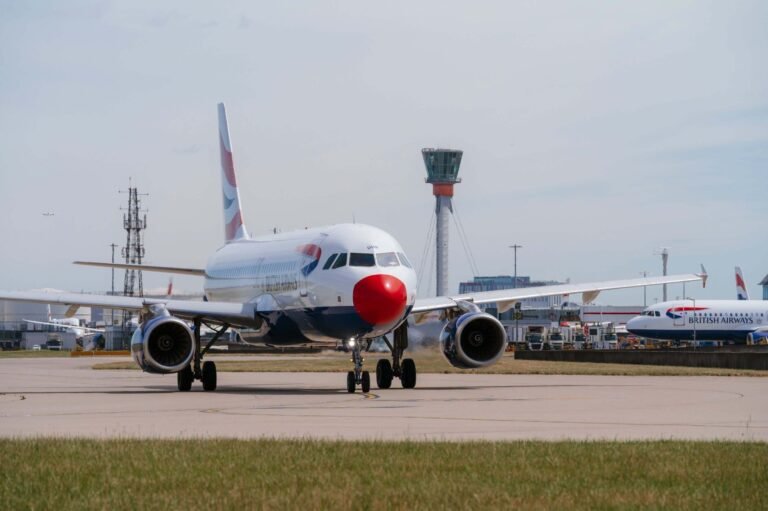
Image: Airbus

Toulouse, France: Airbus has projected demand for 42,060 new passenger aircraft over the next two decades, saying the future of commercial aviation will be shaped not only by rising passenger numbers but also by a fundamental shift in how airlines build and operate their route networks.

In its 2026 Global Market Forecast (GMF), the European aircraft manufacturer said airlines are increasingly moving away from the traditional hub-and-spoke model, with growing emphasis on direct services between secondary cities and the deployment of aircraft capable of operating thinner, longer routes efficiently.

According to Airbus, future fleet planning will be driven by the need for greater operational flexibility rather than simply adding capacity on high-density trunk routes. Airlines are expected to prioritize aircraft that can profitably connect new city pairs, fly longer distances with improved fuel efficiency and offer capacity better matched to passenger demand.

The manufacturer expects urbanization trends to reshape global air travel. While the number of megacities worldwide is forecast to increase only modestly from 33 in 2025 to 37 by 2045, the number of medium and small cities is projected to rise from 2,251 to 2,857 during the same period. Airbus believes this expanding network of smaller urban centers will generate new demand for point-to-point connectivity.

The evolution of airline networks is already evident. Airbus noted that the number of global city pairs has increased from approximately 17,000 in 2005 to 28,000 in 2025. More than 55% of today’s city pairs did not exist two decades ago, while 78% of these newer routes involve small cities, highlighting the growing importance of regional and secondary markets.

To serve these emerging markets, airlines are increasingly deploying new-generation narrowbody aircraft with greater range and improved economics. Airbus cited the A220 as an example, saying the aircraft has already enabled the launch of more than 400 new routes across North America, Europe and Africa, while identifying over 2,200 additional unserved routes that could be suitable for the type. The company also estimates that the A321XLR has the potential to serve more than 2,200 routes that are currently unserved.

Despite ongoing geopolitical uncertainty and economic volatility, Airbus remains optimistic about long-term demand for air travel. The company forecasts that global passenger traffic will grow at an average annual rate of 3.9% between 2025 and 2045, with total Revenue Passenger Kilometres (RPKs) more than doubling from 9.9 trillion to 21.3 trillion over the forecast period.

To accommodate this growth, Airbus expects the worldwide passenger aircraft fleet to expand from 23,310 aircraft in 2025 to 45,550 aircraft by 2045.

The forecast indicates demand for 42,060 new passenger aircraft, including 22,240 aircraft required for traffic growth and 19,820 aircraft intended to replace older fleets. Airbus noted that replacement demand will account for nearly half of all deliveries, enabling airlines to improve fuel efficiency, reduce operating costs and support broader sustainability objectives through the introduction of newer-generation aircraft.

Single-aisle aircraft are expected to dominate future deliveries. Airbus projects demand for 33,920 single-aisle aircraft, representing approximately 81% of total passenger aircraft demand through 2045. The manufacturer said this reflects continued growth in short- and medium-haul operations, as well as the expanding use of larger narrowbody aircraft on longer sectors.

Airbus highlighted the growing market preference for the A321neo, noting that the aircraft’s share of the A320neo Family backlog has increased from 7% to 75% over the past 15 years. Airlines, the company said, are increasingly selecting larger narrowbodies to benefit from higher seating capacity, extended range and lower unit operating costs.

The role of narrowbody aircraft is also changing. Airbus reported that single-aisle flights exceeding five hours have more than tripled since 2005, a trend supporting aircraft such as the A321XLR, which enables airlines to connect city pairs that previously required either larger widebody aircraft or intermediate stops.

Widebody aircraft will continue to play a significant role in long-haul aviation. Airbus forecasts demand for 8,140 widebody aircraft by 2045, comprising 3,900 aircraft for growth and 4,240 aircraft for fleet replacement. Over the same period, the global widebody fleet is expected to increase from 4,570 aircraft in 2025 to 8,470 aircraft.

According to Airbus, widebodies will remain essential for high-capacity international routes and ultra-long-haul operations, particularly as airlines continue investing in premium cabin products and expanding long-distance services.

The manufacturer said widebody flights exceeding 13 hours have quadrupled since 2005, while premium seating capacity has grown faster than economy-class capacity during the past two decades. Airbus identified the A350 as its flagship aircraft for ultra-long-range operations, while positioning the A330neo as a flexible platform capable of serving both regional and intercontinental markets.

Looking ahead, Airbus believes aviation growth will increasingly be supported by expanding middle-class populations, rising household incomes, tourism, migration and greater demand for nonstop air services. Rather than concentrating traffic through a limited number of global hubs, the manufacturer expects airlines to continue opening new direct routes between smaller cities using aircraft that combine range, efficiency and appropriately sized capacity.

The company said the next phase of aviation growth will not be defined solely by the number of aircraft delivered, but by how airlines deploy those aircraft to create more diverse and flexible global networks.

Leave a Comment

Subscribe to our Newsletter

Recent News