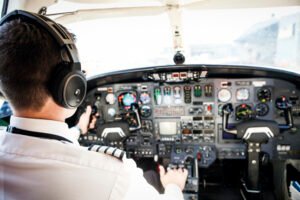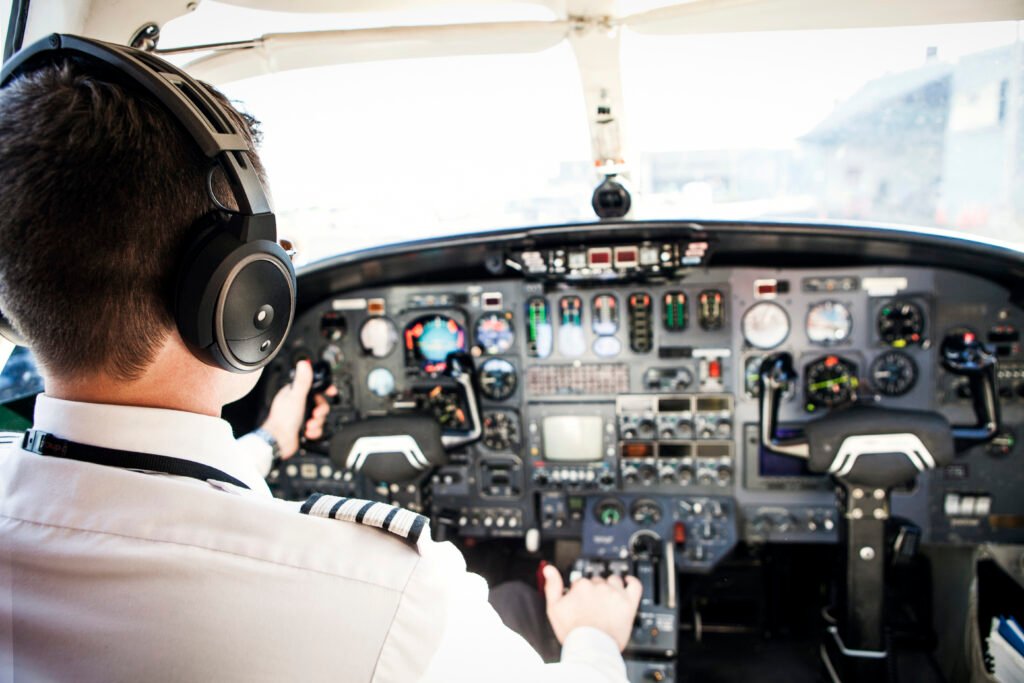
Brussels, Belgium: Nearly one in four European airline pilots routinely continues flying despite being too fatigued to work, while three-quarters of respondents reported experiencing at least one involuntary microsleep in the cockpit during the preceding four weeks, according to a survey by the European Cockpit Association (ECA). The survey, conducted in August 2026 among nearly 7,200 captains and first officers, also found that half of respondents had operated a flight in the preceding three months when they believed they should have declared themselves unfit for duty. The findings raise concerns about crew fatigue, rest periods, airline reporting systems and pressure surrounding duty-time extensions.
The survey found that 24% of pilots usually continued flying rather than declaring themselves unfit because of fatigue, while another 16.8% said they called in sick instead. More than one-third reported insufficient rest to prevent fatigue from accumulating, nearly half feared negative consequences from management if they reported themselves unfit, and only 11.9% trusted their airline’s fatigue-reporting system. The results varied by airline operating model and country, with respondents working for low-cost and wet-lease operators reporting particular concerns about fatigue management.
ECA president Tanja Harter called on airlines and regulators to take greater responsibility for managing fatigue, urging the European Union Aviation Safety Agency (EASA) to strengthen fatigue-management requirements, protect non-punitive reporting and ensure commander’s discretion is used appropriately. The findings also revisit concerns raised in earlier European aviation safety research, including EASA’s Article 89 report published on 8 June 2026, which identified fatigue and communication-related issues as areas requiring continued monitoring. Neither the survey nor the regulatory report established that fatigue had caused a specific accident.
The ECA survey found that three-quarters of respondents had experienced at least one involuntary microsleep while operating an aircraft during the four weeks before the survey. Pilots working for airlines based in Ireland and Malta reported the highest levels of microsleeps, while more than one-third of respondents said their rest periods were insufficient to prevent fatigue from building up over time.
Country-level differences were also evident in responses about flying while fatigued. Around two in five pilots working for airlines based in Spain said they usually continued flying when fatigued. The proportion was approximately one-third among respondents working for Ireland- and France-based airlines, compared with around one in ten among pilots working for UK-based airlines.
The survey also found differences in confidence in fatigue-management systems. Only 15.6% of pilots at low-cost airlines believed their employers managed fatigue risks well. The corresponding figure for pilots working for aircraft, crew, maintenance and insurance (ACMI), or wet-lease, operators was 18.6%.
The findings describe pilots’ reported experiences and perceptions. They do not independently establish the safety performance of individual airlines or prove that one country’s aviation system is less safe than another.
Almost two in five respondents said they had used commander’s discretion at least once during the month before the survey. The mechanism permits captains, under specified exceptional circumstances, to extend crew duty periods or reduce rest requirements within applicable regulatory provisions.
However, nearly 70% of respondents expressed concern about what might happen if they refused to extend their duty. The survey identified particular concerns among pilots working for low-cost and wet-lease operators and airlines based in Ireland and Malta.
Fatigue can result from long duty periods, insufficient rest, irregular rosters and flights across time zones that disrupt normal sleep patterns. It can affect judgement, reaction time, alertness and the ability to respond to unexpected events. European aviation rules require airlines to identify, monitor and manage crew fatigue, making the effectiveness of fatigue-risk management and reporting systems central to the issue.
The survey found that only about one-third of pilots usually declared themselves unfit for duty when fatigued. Half said they had flown at least once during the preceding three months despite believing they should have declared themselves too fatigued to operate.
Harter said fatigue management should not be left solely to pilots while they are responsible for operating an aircraft and protecting passengers.
“This cannot be simply left to us the pilots to manage, while we are on the flight deck and expected to bring our passengers safely to their destination,” she said, according to The Guardian’s report published on 26 October 2026.
She urged EASA to strengthen fatigue-management rules and ensure that airlines comply with requirements for non-punitive reporting and the proper use of commander’s discretion.
“Waiting for another three years to discover that nothing has changed is simply not an option,” Harter said.
She added: “The problems are identified, solutions are there, and we as the European pilot community are ready to contribute. What is needed now is the political will to act.”
The comments place responsibility on airlines and regulators to ensure that fatigue reports can be made without fear of punishment and that exceptional duty extensions do not become a routine substitute for adequate crew rest.
Ian Holder, managing director of aviation safety consultancy Baines Simmons, said the survey highlighted continuing differences in how airlines and national authorities manage fatigue.
“This survey captures how European pilots experience fatigue risk management in practice,” Holder said.
He stressed that the results reflected pilots’ first-hand experiences rather than a direct measurement of aviation safety outcomes. However, he said the consistency of findings over three years highlighted areas requiring attention.
Holder pointed to Finland and the Netherlands as examples of countries where stronger fatigue-reporting cultures were achievable. The findings also showed that pilots working for airlines based in Ireland and Malta were among the most likely to fear management repercussions and among the least confident in their reporting systems.
Earlier European Safety Research
The latest survey adds to a broader discussion about fatigue, employment conditions and aviation safety that predates the October 2026 findings.
On 4 August 2026, the European Cockpit Association published a call for participation in its Europe-wide Pilot Fatigue Survey. It highlighted roster stability, commander’s discretion and fatigue during the intensive summer flying period. The anonymous survey was developed in cooperation with fatigue-risk-management experts from Baines Simmons and was scheduled to close on 29 August 2026. The results reported on 26 October followed that survey.
Earlier, on 8 June 2026, EASA published its second Article 89 report examining the relationship between socio-economic factors and aviation safety. The study covered flight crew, cabin crew and operational control centre personnel in scheduled commercial air transport operations involving aeroplanes in the European Union. It drew on professional surveys, occurrence-reporting data, operational datasets and a review of existing research.
EASA concluded that the available evidence did not establish a statistically robust or systemic causal relationship between socio-economic conditions and aviation safety outcomes across the European aviation system. However, it identified fatigue and communication-related issues as areas requiring continued attention, alongside the need for improved data collection, stronger reporting cultures and closer cooperation between aviation safety and labour stakeholders.
In its 8 June 2026 announcement, EASA said: “The work does not end here. This report provides the foundation for further research, improved monitoring and continued collaboration with Member States and industry to ensure that safety remains at the heart of European aviation.”
The agency also said it would reinforce work with member states and industry stakeholders to improve data collection and safety outcomes, including through targeted safety promotion, oversight and stronger reporting cultures.
The European Transport Workers’ Federation (ETF), commenting on the report on 18 June 2026, argued that the absence of a demonstrated direct causal relationship should not be interpreted as evidence that risks do not exist. It highlighted limitations in occurrence-reporting data and said worker surveys could help identify problems that formal reporting systems might not capture.
The October survey does not identify a particular crash or serious incident as the cause of its findings. Instead, it documents pilots’ reported experiences of fatigue and the organisational conditions that may affect whether they report themselves unfit to fly.
The distinction is important. A microsleep or a pilot reporting insufficient rest is a safety concern, but the survey does not establish that these experiences caused an accident or quantify the risk of an accident on any particular flight.
The findings nevertheless raise questions about whether fatigue-management procedures are working as intended, particularly when pilots fear professional repercussions for reporting fatigue or feel concerned about refusing duty extensions. EASA’s earlier report similarly called for better monitoring while acknowledging limitations in the available evidence.
The central issue is therefore whether airlines and regulators can translate existing fatigue-management requirements into effective rest planning, credible reporting systems and appropriate oversight of duty extensions. The ECA has called for action before the next three-year cycle of findings, arguing that the concerns identified in the survey require a response rather than another round of documentation.