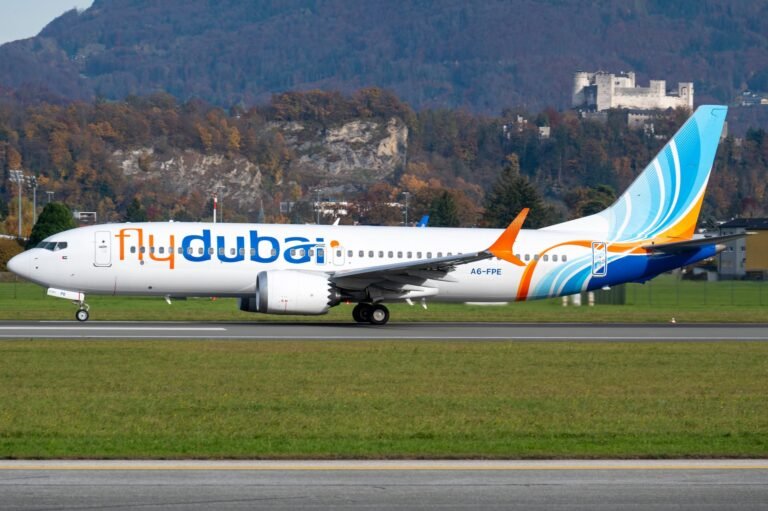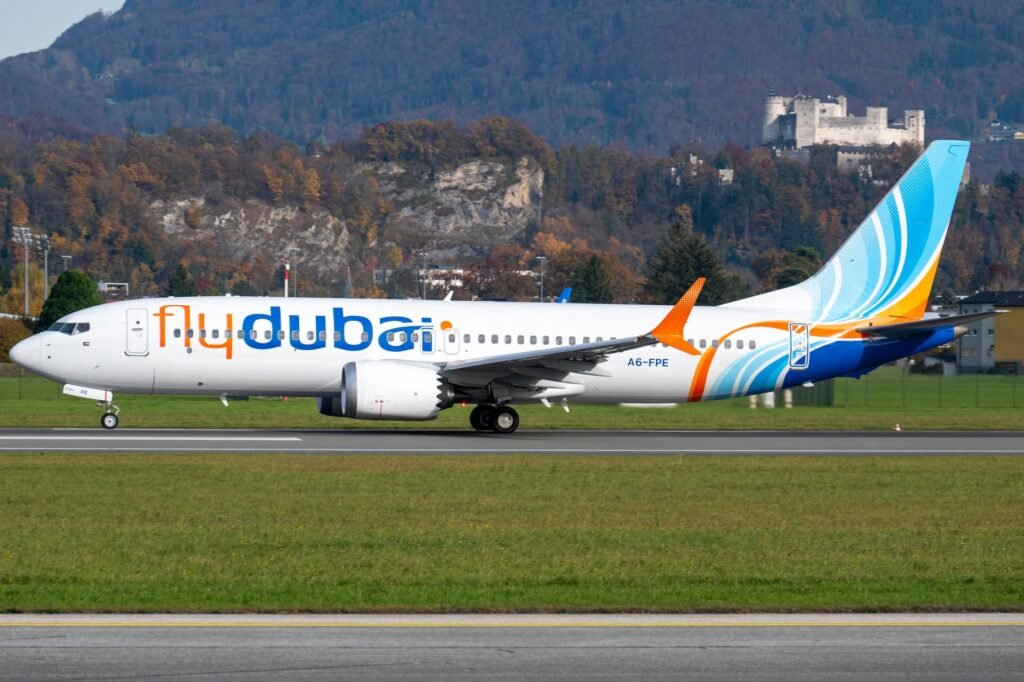
Dubai, United Arab Emirates: Around 100 passengers aboard Flydubai Flight FZ1073 are reportedly preparing legal action against the airline and government authorities following a cockpit attack during a flight from Dubai to Tel Aviv on 30 September 2026. The passengers have authorised a steering committee to coordinate potential compensation claims, with legal action reportedly being considered against Flydubai and the transport ministries of Israel and the United Arab Emirates (UAE), the Calcalist business news outlet reported.
The committee, led by Barak Leumi chief executive Tzvika Manes, is consulting law firms in Israel and considering international legal representation before deciding how to proceed. The initiative began through a WhatsApp group formed after the aircraft landed at Ben Gurion Airport. The committee plans to present its preliminary conclusions and recommendations to passengers before finalising its legal strategy. According to the Calcalist business news outlet, the suit will seek hundreds of millions of dollars in damages for the incident on flydubai Flight 1073, on which the Omani copilot attacked the captain and attempted to crash the plane. Potential compensation figures cited in reports remain estimates, and no court award has been made.
On 9 October 2026, UAE Attorney-General Counsellor Hamad Saif Al Shamsi announced findings from the Public Prosecution’s investigation into the incident. He said investigators had uncovered an alleged premeditated plot to seize control of the aircraft and crash it into the passenger terminal at Ben Gurion Airport in Tel Aviv. The prosecution described the alleged plan as a suicide attack. These remain allegations under investigation and are not a final judicial determination of guilt.
According to the Attorney-General’s statement, the suspect had worked for Oman Air from 2020 to 2024, Royal Air Maroc in 2025 and Flydubai from January 2026. Investigators said he had met the professional and security requirements for employment at Flydubai, including holding a pilot’s licence, providing a certificate of good conduct and completing the required checks. Al Shamsi said: “However, none of the procedures revealed any indications of his extremist views or his intention to carry out a terrorist plot.”
The Attorney-General also said the suspect had confessed to acting alone. Investigators were continuing to examine possible accomplices, other connections, witness statements, recordings and technical evidence. The findings have raised questions about the effectiveness of existing screening procedures, although the investigation has not yet established whether any additional parties were involved.
Separately, Israel declined to approve Flydubai’s planned resumption of Tel Aviv services on 15 October 2026. The airline subsequently extended its suspension through 31 October. Israeli authorities have sought comprehensive information about the incident and assurances concerning measures to prevent a recurrence before considering a return to operations.
The suspension has added to travel disruption between Israel and the UAE. Etihad Airways continued operating flights between Abu Dhabi and Tel Aviv, while other travel options remained constrained by unresolved aviation security arrangements. The operational restrictions and the proposed passenger compensation claims are separate matters, although both stem from the incident and its wider security implications.
The passengers’ legal strategy remains under development, with the committee yet to finalise its legal representation and the precise scope of its claims. Any proceedings would need to establish the applicable legal responsibilities of the airline and other proposed defendants. The investigations in the UAE and Saudi Arabia, alongside Israel’s aviation security review, are expected to remain relevant to the next stage of the case.