Abu Dhabi, United Arab Emirates: Investigations into the incident involving flydubai flight FZ1073 found that the co-pilot had attempted to carry out a terrorist attack, Prosecutor General Hamad Saif Al Shamsi said in a statement carried by the UAE’s state news agency.
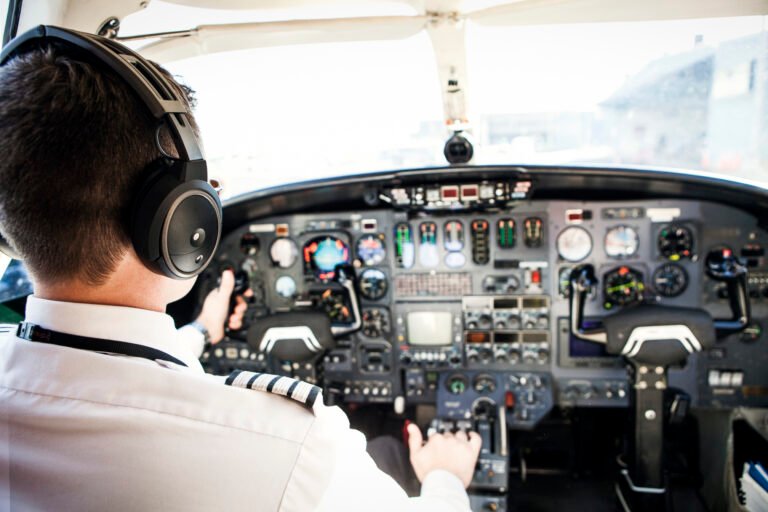
According to the UAE Attorney-General, the co-pilot had begun executing his plan during the flight, attacking the captain inside the flight deck with the aircraft’s crash axe and attempting to take control of the aircraft’s flight controls. The statement marks the UAE’s first official confirmation that the incident was a planned terrorist act rather than simply an in-flight altercation.
The investigation remains ongoing. Al Shamsi said authorities are examining the full circumstances of the incident, the motive and any related links, while also completing technical examinations and analysing physical and digital evidence. He said the final findings will be announced after all necessary procedures are completed.
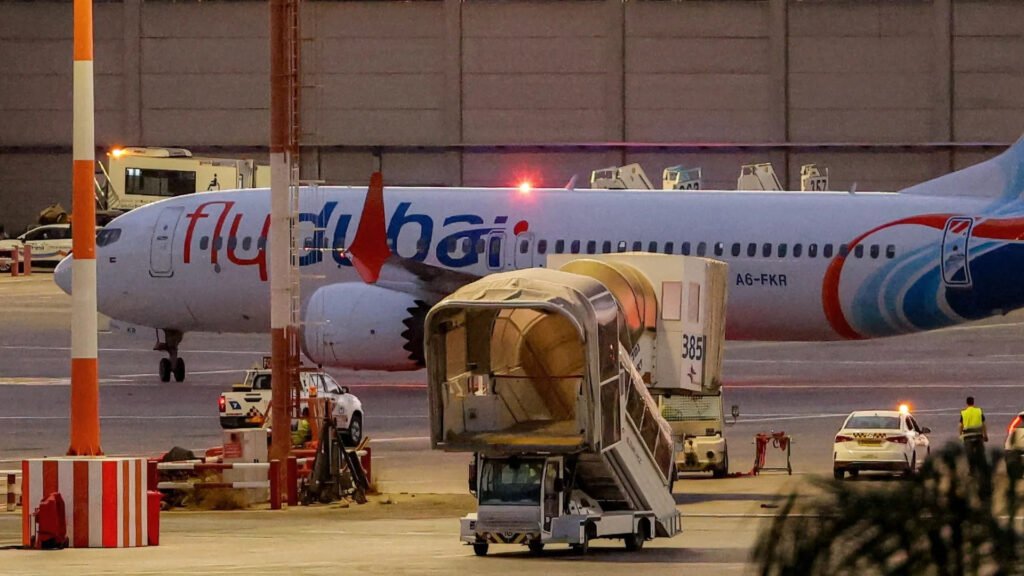
Flight FZ1073 was operating from Dubai International Airport to Ben Gurion International Airport in Tel Aviv on September 30 when the cockpit incident occurred. The Boeing 737 was diverted to Tabuk Airport in northwestern Saudi Arabia and landed safely.
The UAE’s General Civil Aviation Authority (GCAA) said the security incident was brought under control after members of the crew intervened. Several crew members were injured and taken to hospital in Saudi Arabia.
The captain has been identified as Indian national Captain Smit Machchhar. According to the UAE Attorney-General’s account, the co-pilot attacked Machchhar inside the cockpit with a crash axe before attempting to seize control of the aircraft.
Reports from the incident described Machchhar as sustaining serious injuries during the confrontation. Despite being injured, he managed to open the cockpit door, allowing passengers and other crew members to enter and help restrain the co-pilot. Two reserve pilots who were travelling on the aircraft subsequently took control and landed the aircraft safely at Tabuk.
Flight-tracking data showed a sharp descent during the cockpit struggle before the aircraft was stabilised. The aircraft also transmitted an emergency code associated with unlawful interference during the incident.
The UAE GCAA later commended Captain Machchhar, the flight crew and passengers for their response, saying their swift intervention helped contain the situation and prevent more serious consequences. The authority said Machchhar had returned safely to the UAE and was receiving medical treatment.
The identity of the co-pilot has not been officially released by UAE authorities. However, multiple international media outlets have identified him as Hammam al-Hammami, an Omani national, citing sources familiar with the investigation.
Reuters reported that two sources familiar with the investigation identified the co-pilot as Hammam al-Hammami, while UAE authorities had not immediately confirmed his identity.
Media reports have also raised questions about his previous aviation history. Reuters and other outlets have reported that he had previously been barred from flying in Oman over concerns about alleged extremist views. Those reports remain part of the wider investigation and should not be treated as established findings unless confirmed by the relevant authorities.
The UAE began its investigation immediately after the incident. On October 1, Attorney-General Al Shamsi ordered a specialised Public Prosecution team to investigate the incident in coordination with the General Civil Aviation Authority and other UAE authorities.
At that stage, authorities specifically directed investigators to determine whether the incident was linked to terrorist activity or purpose, or involved prior planning or direction. The UAE also warned against speculation and unverified reports while the investigation was under way.
The UAE Ministry of Foreign Affairs said its judicial authorities have jurisdiction because the aircraft is registered in the UAE and operates under the UAE flag. It said UAE law therefore applies to crimes committed aboard the aircraft even when they occur outside UAE territory. The ministry also acknowledged Saudi authorities’ cooperation in handling the incident.
The latest statement from Al Shamsi now establishes the central finding of the investigation so far: the co-pilot had attempted to carry out a terrorist act and had begun executing his plan during the flight. Authorities, however, have not yet publicly established the motive or disclosed whether he acted alone or had any wider connections.
Following the incident, flydubai suspended its flights between Dubai and Tel Aviv. The suspension remains in place while the investigation continues.
Flydubai initially confirmed that FZ1073, operating from Dubai International Airport to Ben Gurion International Airport on September 30, had experienced an incident while en route. The airline said the aircraft landed safely at Tabuk and that all passengers were safe and accounted for, while its teams worked with the relevant authorities.
The airline has said the circumstances surrounding the incident remain under investigation and that it is cooperating with the authorities. The suspension of Israel services was implemented as investigators examined the security incident and its wider implications.
The investigation involves multiple authorities across three countries. In the UAE, the Public Prosecution is leading the criminal investigation in coordination with the General Civil Aviation Authority (GCAA) and other competent authorities. Saudi authorities, including the National Transport Safety Center, conducted the initial investigation after the aircraft landed in Tabuk, with UAE security officials also involved.
Separately, Australian authorities, through the Victorian Joint Counter Terrorism Team comprising the Australian Federal Police, Victoria Police and ASIO, are examining the co-pilot’s links to Australia. The investigation into the motive, circumstances and any wider connections remains ongoing.