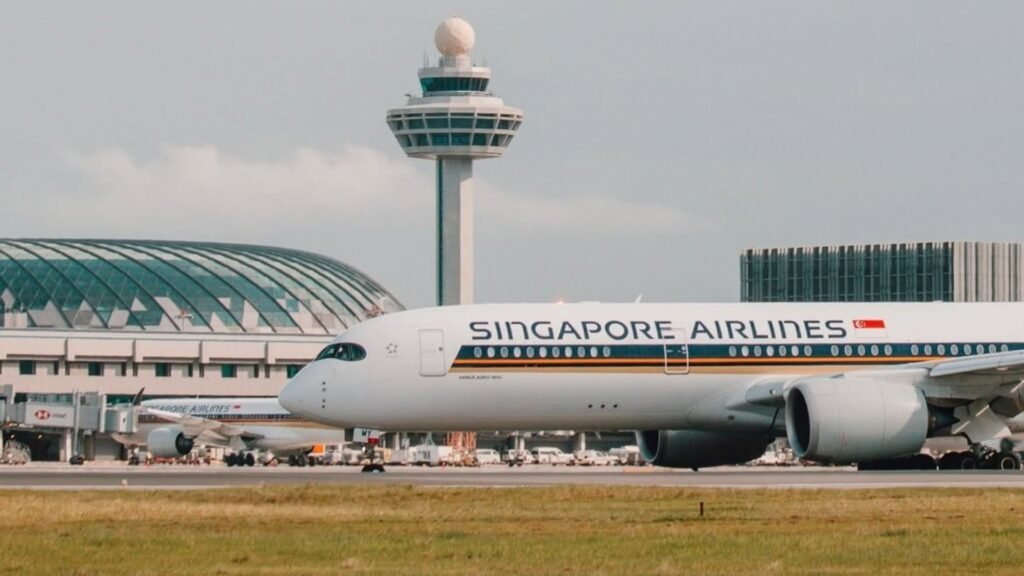
Singapore: Singapore Airlines (SIA) said its investments in India, including its stake in Air India, have been and will continue to be funded through its internal resources, as the carrier’s exposure to the Indian airline came under renewed scrutiny in Singapore.
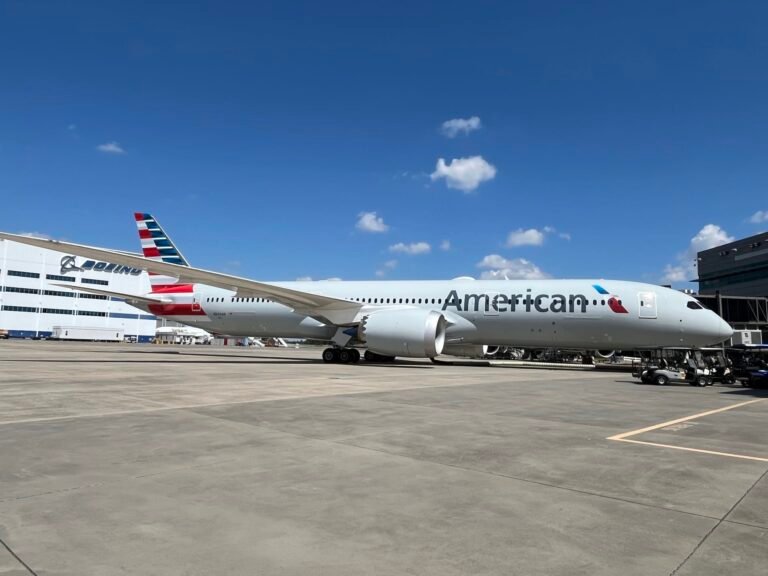
The position emerged on September 8, 2026, during a parliamentary debate over Singapore Airlines’ investment in Air India and the possibility of further capital requirements for the Indian carrier. SIA currently holds a 25.1% stake in the enlarged Air India Group following the merger of Vistara and Air India in November 2024.
Singapore Transport Minister Jeffrey Siow defended the flag carrier’s overseas investment strategy, arguing that Singapore Airlines must continue expanding internationally because of the limits of its domestic market.
Responding to questions in Parliament, Siow said Singapore Airlines is a listed company that finances its investments from its own balance sheet and had not sought additional capital from its shareholders for those investments.
“Many overseas investment returns will not necessarily emerge immediately. Whether its specific investment in Air India proves valuable is for Singapore Airlines and its shareholders to answer,” Siow said.
He added that the government’s current assessment was that Singapore Airlines’ ability to serve Singaporeans had not been adversely affected by its Air India investment.
The debate follows reports that Air India is seeking about US$1.5 billion in fresh equity from its owners, Tata Sons and Singapore Airlines. Tata Sons is the majority shareholder of Air India, while SIA owns the remaining 25.1% stake.
Air India’s financial performance and the scale of its transformation programme have intensified scrutiny of whether Singapore Airlines could eventually be asked to commit additional funds. The Indian carrier is undergoing a major turnaround that industry observers expect could take years to complete, while its losses have weighed on Singapore Airlines’ earnings.
Singapore Airlines has nevertheless maintained that India remains strategically important to its long-term plans.
In its FY2025/26 Annual Report, published in June 2026, SIA described its investment in the enlarged Air India Group as part of its long-term multi-hub strategy. The airline said its 25.1% stake gives the Group a direct presence in one of the world’s largest aviation markets.
The investment stems from the restructuring of the Tata Group’s Indian aviation businesses. Singapore Airlines and Tata Sons had previously operated Vistara as a joint venture before Vistara was merged into Air India in November 2024. Following the transaction, SIA became a 25.1% shareholder in the enlarged Air India Group.
The latest controversy has focused on whether Singapore Airlines should provide further capital if Air India requires additional funding. Siow stressed that overseas investments should be assessed on commercial grounds and that returns from international investments may not be immediate.
Singapore Airlines is majority-owned by Singapore state investment company Temasek, but the government has defended the airline’s ability to make commercial decisions as a listed company.
The latest position that SIA’s investments in India will be funded through internal resources means the airline is not presenting the Air India investment as a request for new shareholder funding. Any future investment decision, however, would remain subject to the company’s corporate decision-making and commercial assessment.
The issue has also become politically sensitive in Singapore following public criticism of continued investment in Air India. Singapore Prime Minister Lawrence Wong and Senior Minister K. Shanmugam separately condemned racist and anti-Indian comments that surfaced online during the wider debate, while opposition concerns focused on the financial risks associated with further investment.
For Singapore Airlines, the central argument remains strategic: growth beyond Singapore is essential because the carrier operates from a small home market, and overseas investments can take years before generating returns.
Whether the Air India investment ultimately delivers the long-term value Singapore Airlines expects will depend on the success of Air India’s transformation, its future financial requirements and the commercial decisions taken by SIA’s board and shareholders.