News
Civil Aviation
Pilot Training
Flight School Analysis
Aviation Jobs
Training
Services
About Us
Contact Us

India Records 889 Serious Aircraft Technical Defects in 2025, Highest In Five Years

Picture of Aviation Today News Desk

Aviation Today News Desk

New Delhi, India: India’s Directorate General of Civil Aviation (DGCA) recorded 889 serious technical defects during flight operations in 2025, the highest figure in the five-year data released by the Civil Aviation Ministry, with cases rising nearly 28.5% from 692 in 2024. The figures were disclosed by Minister of State for Civil Aviation Murlidhar Mohol in a written reply in the Lok Sabha on August 6, 2026, in response to questions from Congress MP Shyamkumar Daulat Barve. The data showed 514 serious technical defects in 2021, 528 in 2022, 487 in 2023, 692 in 2024 and 889 in 2025. The 2025 total was 197 cases higher than the previous year and about 73% above the 2021 figure. However, the parliamentary disclosure does not provide an aircraft-by-aircraft breakdown of the 889 cases, including aircraft registration, model, airline or the specific technical fault involved. The figures therefore cannot be used to attribute the cases to particular Boeing or Airbus aircraft, engines or aircraft systems. Mohol said the DGCA has established Civil Aviation Requirements (CARs), safety advisories, directives and other regulatory instructions to ensure safe aircraft operations. He said, “For monitoring compliance, DGCA has a systematic safety oversight mechanism encompassing all aircraft and airport operators.” He added, “The safety oversight process includes regulatory audits, night surveillance, ramp inspections, spot checks and special audits. DGCA publishes the Annual Surveillance Plan (ASP) on its website.” The government data also showed that the DGCA took action over safety violations involving airlines and Maintenance, Repair and Overhaul (MRO) operators in 42 cases in 2025, compared with 31 in 2024, 24 in 2023, seven in 2022 and one in 2021. A separate parliamentary disclosure made in July 2025 provides airline-wise technical-defect figures and offers additional context, but it is a different dataset from the 889 serious-defect series. It recorded 183 technical defects reported by scheduled commercial airlines between January 1 and July 21, 2025. Air India and Air India Express together accounted for 85, IndiGo for 62, Akasa Air for 28 and SpiceJet for eight. The earlier data showed 421 technical defects in 2024, 448 in 2023, 528 in 2022 and 514 in 2021. The government said reported defects are investigated and appropriate rectification action is taken. Mohol said, “All defects reported by the airline to the Directorate General of Civil Aviation (DGCA) are required to be investigated for taking appropriate rectification action.” He further said, “The investigation of all defects, particularly major defects, has to be completed expeditiously so as to take preventive/corrective action at the earliest possible.” The government stated that major defects are investigated by the operator in association with the DGCA. The latest available 2026 data provides another indication of the technical issues being reported across Indian aviation, although it should not be added directly to the 889-case five-year series. The Civil Aviation Ministry told the Rajya Sabha on August 3 that 352 “significant technical defects” were reported in domestic and international flight operations between January and June 2026. Of these, 334 related to domestic operations and 18 to international services. Akasa Air accounted for the largest share of the 2026 cases with 152, followed by Air India Express with 53, IndiGo with 47 and Air India with 46. Star Air recorded 29, while SpiceJet and Fly91 reported nine each and IndiaOne Air five. The ministry also said the DGCA issued 382 show-cause notices to airlines for safety violations between January 2024 and June 2026. Separately, the regulator initiated 51 enforcement actions against scheduled airlines between 2023 and 2025 for major violations of safety standards. The measures included financial penalties, suspension of approvals or authorisations and warnings. The government has also reported 2,420 significant technical defects across domestic and international flight operations during the three-year period covered by the latest Rajya Sabha question. That figure, like the 352 cases reported for the first half of 2026, belongs to a separate dataset and should not be combined with the 889 serious defects recorded for 2025. The disclosures show a clear rise in reported technical-defect cases, particularly in 2025, but they do not establish that each case involved a different aircraft or that the defects resulted in an accident, emergency or flight cancellation. The government data available in the cited parliamentary replies also does not provide a fault-by-fault list identifying the aircraft model, registration or affected component for the 889 cases. The figures instead highlight the scale of technical-defect reporting and the DGCA’s enforcement and surveillance activity. The regulator’s stated oversight framework covers aircraft and airport operators through audits, night surveillance, ramp inspections, spot checks and special audits, while airlines are required to investigate and rectify reported defects.

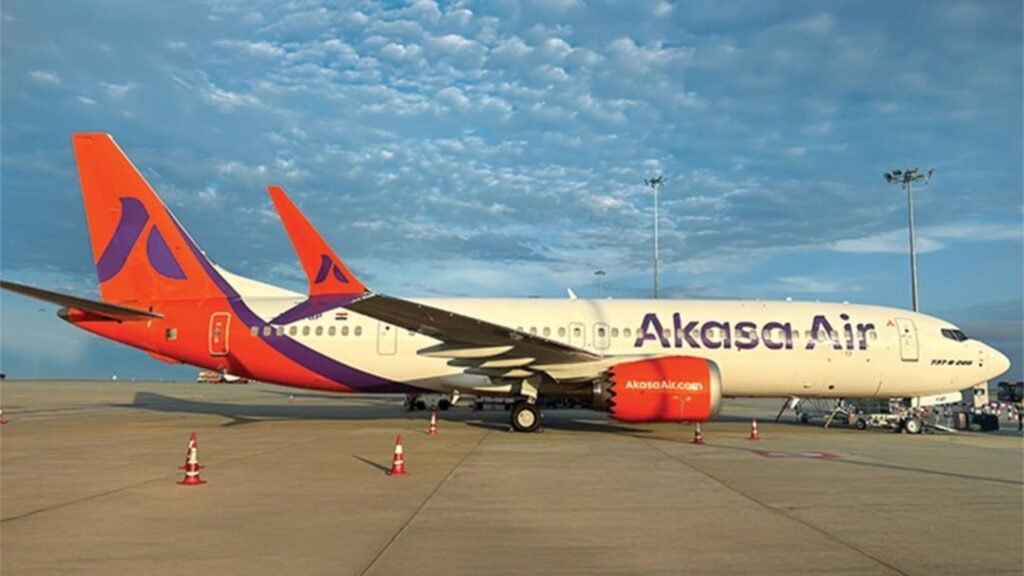
Image: Akasa Air

New Delhi, India: India’s Directorate General of Civil Aviation (DGCA) recorded 889 serious technical defects during flight operations in 2025, the highest figure in the five-year data released by the Civil Aviation Ministry, with cases rising nearly 28.5% from 692 in 2024.

The figures were disclosed by Minister of State for Civil Aviation Murlidhar Mohol in a written reply in the Lok Sabha on August 6, 2026, in response to questions from Congress MP Shyamkumar Daulat Barve. The data showed 514 serious technical defects in 2021, 528 in 2022, 487 in 2023, 692 in 2024 and 889 in 2025.

The 2025 total was 197 cases higher than the previous year and about 73% above the 2021 figure. However, the parliamentary disclosure does not provide an aircraft-by-aircraft breakdown of the 889 cases, including aircraft registration, model, airline or the specific technical fault involved. The figures therefore cannot be used to attribute the cases to particular Boeing or Airbus aircraft, engines or aircraft systems.

Mohol said the DGCA has established Civil Aviation Requirements (CARs), safety advisories, directives and other regulatory instructions to ensure safe aircraft operations. He said, “For monitoring compliance, DGCA has a systematic safety oversight mechanism encompassing all aircraft and airport operators.”

He added, “The safety oversight process includes regulatory audits, night surveillance, ramp inspections, spot checks and special audits. DGCA publishes the Annual Surveillance Plan (ASP) on its website.”

The government data also showed that the DGCA took action over safety violations involving airlines and Maintenance, Repair and Overhaul (MRO) operators in 42 cases in 2025, compared with 31 in 2024, 24 in 2023, seven in 2022 and one in 2021.

A separate parliamentary disclosure made in July 2025 provides airline-wise technical-defect figures and offers additional context, but it is a different dataset from the 889 serious-defect series. It recorded 183 technical defects reported by scheduled commercial airlines between January 1 and July 21, 2025. Air India and Air India Express together accounted for 85, IndiGo for 62, Akasa Air for 28 and SpiceJet for eight.

The earlier data showed 421 technical defects in 2024, 448 in 2023, 528 in 2022 and 514 in 2021. The government said reported defects are investigated and appropriate rectification action is taken. Mohol said, “All defects reported by the airline to the Directorate General of Civil Aviation (DGCA) are required to be investigated for taking appropriate rectification action.”

He further said, “The investigation of all defects, particularly major defects, has to be completed expeditiously so as to take preventive/corrective action at the earliest possible.” The government stated that major defects are investigated by the operator in association with the DGCA.

The latest available 2026 data provides another indication of the technical issues being reported across Indian aviation, although it should not be added directly to the 889-case five-year series. The Civil Aviation Ministry told the Rajya Sabha on August 3 that 352 “significant technical defects” were reported in domestic and international flight operations between January and June 2026. Of these, 334 related to domestic operations and 18 to international services.

Akasa Air accounted for the largest share of the 2026 cases with 152, followed by Air India Express with 53, IndiGo with 47 and Air India with 46. Star Air recorded 29, while SpiceJet and Fly91 reported nine each and IndiaOne Air five.

The ministry also said the DGCA issued 382 show-cause notices to airlines for safety violations between January 2024 and June 2026. Separately, the regulator initiated 51 enforcement actions against scheduled airlines between 2023 and 2025 for major violations of safety standards. The measures included financial penalties, suspension of approvals or authorisations and warnings.

The government has also reported 2,420 significant technical defects across domestic and international flight operations during the three-year period covered by the latest Rajya Sabha question. That figure, like the 352 cases reported for the first half of 2026, belongs to a separate dataset and should not be combined with the 889 serious defects recorded for 2025.

The disclosures show a clear rise in reported technical-defect cases, particularly in 2025, but they do not establish that each case involved a different aircraft or that the defects resulted in an accident, emergency or flight cancellation. The government data available in the cited parliamentary replies also does not provide a fault-by-fault list identifying the aircraft model, registration or affected component for the 889 cases.

The figures instead highlight the scale of technical-defect reporting and the DGCA’s enforcement and surveillance activity. The regulator’s stated oversight framework covers aircraft and airport operators through audits, night surveillance, ramp inspections, spot checks and special audits, while airlines are required to investigate and rectify reported defects.

Leave a Comment

Subscribe to our Newsletter

Recent News

Aviation Today Perspectives