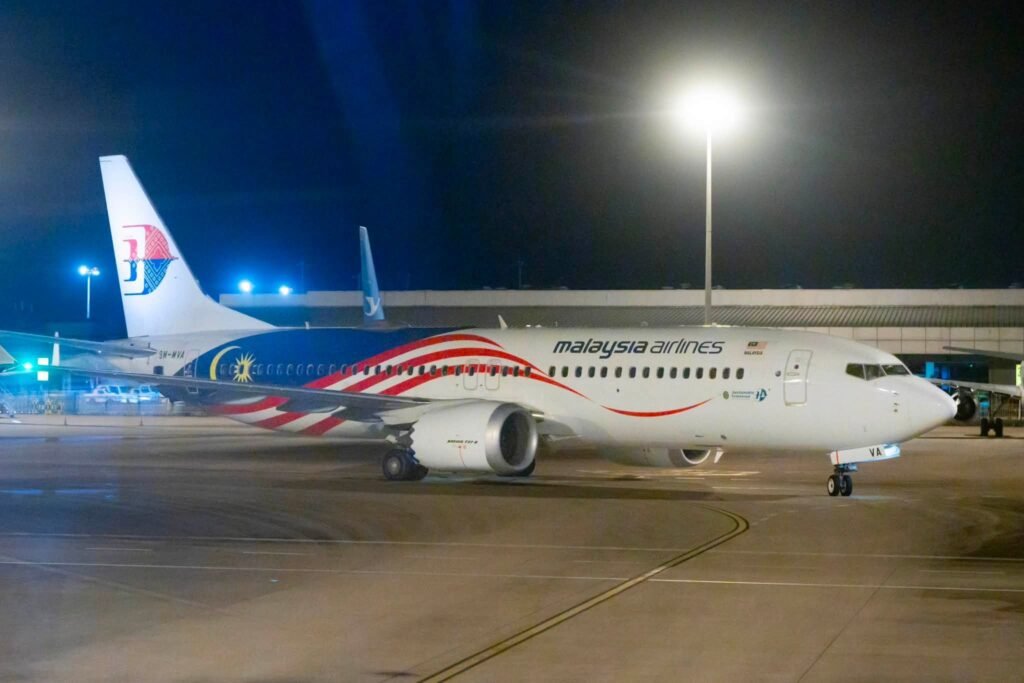
Sepang, Malaysia: Malaysia Aviation Group (MAG) has begun mandatory drug screening for all Malaysia Airlines pilots and is expanding fitness-for-duty checks across its airlines following the detention of a Malaysia Airlines pilot in Indonesia over an alleged drug-trafficking case.
In an official statement issued on August 7, 2026, MAG said the enhanced measures are part of a strengthened safety and fitness-for-duty framework and reflect the Group’s response to the recent incident.
MAG said the first phase of mandatory drug screening covers all 1,260 Malaysia Airlines pilots, with testing expected to be completed by August 15, 2026. Pilots who do not complete the screening by the deadline will not be permitted to operate flights until they are cleared under MAG procedures and applicable regulatory requirements.
The Group will subsequently introduce mandatory drug screening for all active pilots, complementing its existing random drug-testing programme. The enhanced programme will later be expanded to active cabin crew.
Captain Nasaruddin A. Bakar, President and Group Chief Executive Officer of MAG, said: “Operational safety and crew fitness for duty are non-negotiable at MAG.” He added that the Group had acted swiftly to strengthen mandatory drug screening across its active pilots.
MAG said the latest incident was isolated and did not represent the conduct of the majority of its employees, while reiterating its intention to strengthen safeguards and maintain passenger and stakeholder confidence. The Group also described the detained employee’s conduct as unacceptable and contrary to the professional standards expected of its personnel.
Importantly, MAG clarified that the detained individual was not operating the aircraft during the flight involved. According to the Group, he was a Second Officer travelling in the cockpit jump seat as an observer and had been off duty for the preceding two days. The aircraft was operated throughout the flight by two qualified operating pilots.
The new screening measures build on an existing fitness-for-duty system already in place at MAG. The framework includes pre-employment screening, Class 1 medical certification for pilots, recurrent training, periodic alcohol and drug testing, and mandatory pre-flight compliance checks covering licences, medical certification, training and recency requirements.
Before every flight, operating pilots also complete the IMSAFER assessment, a self-assessment process designed to evaluate physical and mental readiness for duty. MAG said the checklist covers Illness, Medication, Stress, Alcohol, Fatigue, Emotion and Recency. The system is complemented by Threat and Error Management (TEM) principles to identify and manage operational risks.
MAG also highlighted its employee-support measures, including its Employee Assistance Programme (EAP) and Malaysia Aviation Group Peer Support (MAPS) programme. MAPS is described by the Group as a confidential, peer-led initiative intended to encourage early intervention and support employee wellbeing.
The announcement follows concerns raised by Malaysian authorities after a Malaysia Airlines pilot was arrested in Indonesia in late July. Indonesian authorities arrested the 39-year-old Malaysian national, identified as MS, at Soekarno-Hatta International Airport after he arrived from Kuala Lumpur. Authorities said they found 70,114 MDMA/ecstasy pills weighing about 26 kilograms, along with methamphetamine, in his luggage. The case has triggered investigations in Indonesia and Malaysia.
Reporting on the case said Indonesian authorities also alleged that the pilot had tested positive for narcotics, while investigators were examining whether he had previously been involved in drug-smuggling activity. The pilot has been detained and faces narcotics-related proceedings in Indonesia. These allegations remain subject to the ongoing investigation.
The incident also prompted the Malaysian government to call for tighter aviation-security measures. Government spokesperson and Communications Minister Fahmi Fadzil said on August 5 that authorities were considering tighter airport security as well as reviews of background and health screening procedures for Malaysia Airlines pilots and co-pilots. He said the authorities needed to identify whether others were involved and “ensure that all loopholes are closed immediately.”
Fahmi also said Malaysia Airlines would revise its protocols for background and health checks on pilots and co-pilots, while the government considered measures including stronger security arrangements at airports.
MAG’s latest action therefore moves beyond the government’s earlier call for tighter screening, introducing an immediate mandatory testing programme across Malaysia Airlines’ pilot workforce. The Group said it will continue working with aviation, enforcement and regulatory authorities to implement recommendations, strengthen preventive measures and ensure compliance with applicable requirements.
The latest announcement comes as MAG seeks to reinforce its safety controls following an incident involving an employee who, according to the Group, was not part of the operating flight crew. MAG said its zero-tolerance approach to substance misuse and misconduct remains in place and that the strengthened measures are intended to further protect operational safety and public confidence.