News
Civil Aviation
Pilot Training
Flight School Analysis
Aviation Jobs
Training
Services
About Us
Contact Us

AAIB Says Air India AI171 Crash Investigation To Reach Draft Report Stage In October

Picture of Aviation Today News Desk

Aviation Today News Desk

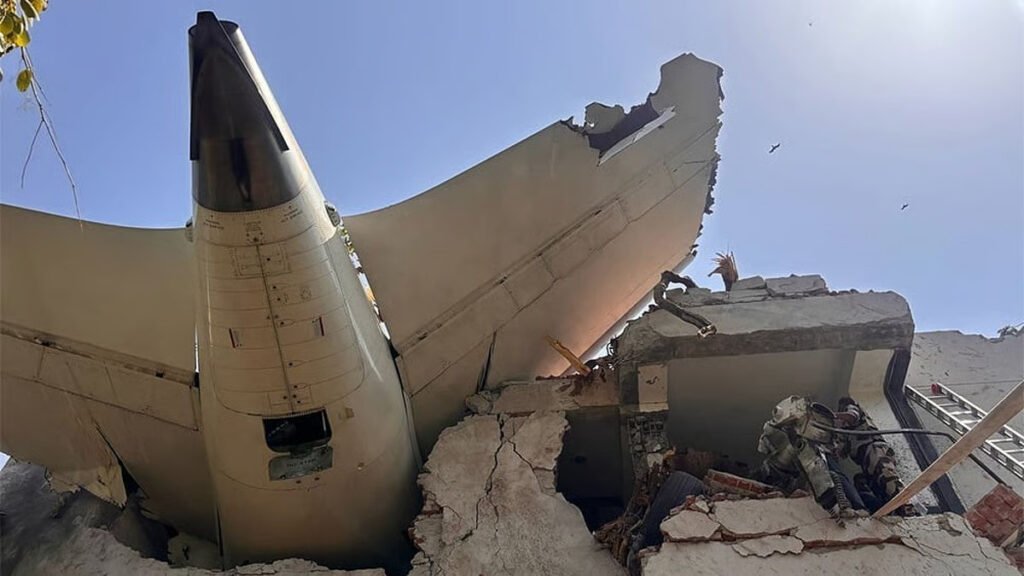
New Delhi, India: More than a year after the crash of Air India Flight AI171 near Ahmedabad claimed 260 lives, India's Aircraft Accident Investigation Bureau (AAIB) has informed the Supreme Court that the investigation is entering its final stages, with the draft final investigation report expected to be ready in October 2026 after the completion of technical analysis and mandatory international consultations. In a detailed affidavit filed jointly by the Ministry of Civil Aviation and the AAIB, the Centre said the investigation activities are expected to be completed within approximately six weeks, subject to the resolution of a few remaining external dependencies. Once the analysis phase is concluded, investigators will prepare the draft final report before circulating it to participating States under international aviation rules. Air India Flight AI171, a Boeing 787-8 Dreamliner operating from Ahmedabad to London Gatwick, crashed shortly after takeoff on June 12, 2025, striking a residential area near the airport. The accident killed 241 of the 242 people on board, along with 19 people on the ground, taking the total death toll to 260. It became one of India's deadliest aviation disasters in decades. Under ICAO Annex 13, accident investigations are intended solely to improve aviation safety and prevent future accidents, not to determine civil or criminal liability. The AAIB reiterated before the Supreme Court that it is India's sole statutory authority for investigating aircraft accidents and argued there is no legal basis for a court-monitored or parallel investigation, opposing petitions seeking an independent probe. The matter is scheduled to be heard by the Supreme Court on July 17. The affidavit states that 49 of the 66 mandatory investigative procedures applicable to a major international accident have already been completed. These include preservation of evidence, recovery and examination of the flight recorders, technical analysis of aircraft systems, participation of accredited international representatives and consultations with stakeholders. The remaining work primarily involves completing technical analysis and fulfilling international procedural requirements before the draft report can be finalized. The AAIB explained that the final report could not be completed within one year because of the investigation's complexity and the involvement of multiple international agencies. In accordance with ICAO rules, when an investigation cannot be completed within 12 months, the investigating authority must issue an interim statement describing the progress made. Accordingly, the AAIB released an interim statement around the first anniversary of the accident rather than a final report. Earlier in the investigation, the AAIB's preliminary findings revealed that both engine fuel control switches moved from the RUN position to CUT OFF within seconds of takeoff, causing both engines to lose thrust. Cockpit voice recordings captured one pilot asking why the switches had been moved, while the other responded that he had not done so. The switches were subsequently returned to the RUN position, but the aircraft was unable to regain sufficient thrust before crashing. Those findings answered some questions while leaving investigators with significant unresolved issues regarding how the switches moved and whether any mechanical, human or other factors were involved. According to the latest affidavit, investigators are still completing analysis of the remaining technical evidence before reaching final conclusions. Once the draft report is prepared, it must be circulated to the participating States under ICAO Annex 13, including the U.S. National Transportation Safety Board (NTSB) as the accredited representative for the State of Design and Manufacture of the Boeing 787. Those States are entitled to provide "significant and substantiated comments," a consultation process that the Centre said could take 30 to 60 days, depending on the complexity of the responses received. Only after those comments are considered can the AAIB finalize and publish its investigation report. The AAIB also defended maintaining strict confidentiality over sensitive investigative material, including cockpit voice recorder recordings and transcripts, witness statements, air traffic control communications, medical records and draft report contents. It said these protections are mandated by both Indian law and ICAO standards to preserve the integrity of safety investigations.
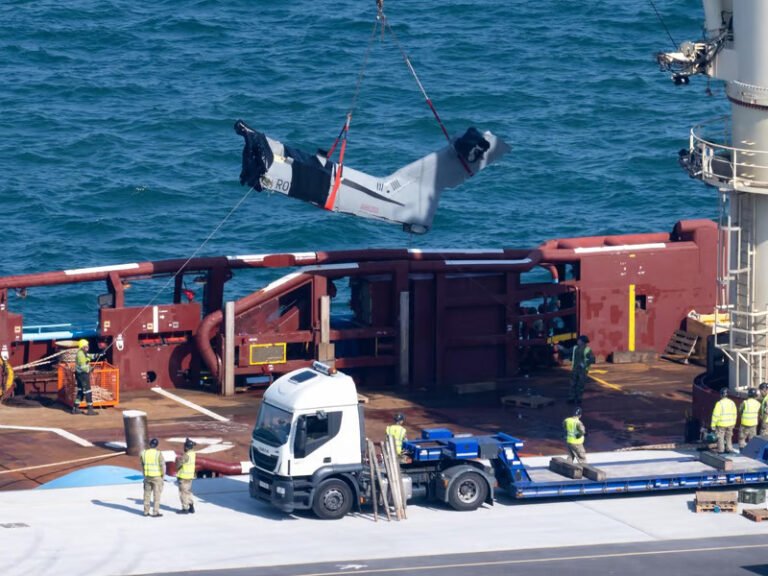
Image: Outlook India

New Delhi, India: More than a year after the crash of Air India Flight AI171 near Ahmedabad claimed 260 lives, India’s Aircraft Accident Investigation Bureau (AAIB) has informed the Supreme Court that the investigation is entering its final stages, with the draft final investigation report expected to be ready in October 2026 after the completion of technical analysis and mandatory international consultations.

In a detailed affidavit filed jointly by the Ministry of Civil Aviation and the AAIB, the Centre said the investigation activities are expected to be completed within approximately six weeks, subject to the resolution of a few remaining external dependencies. Once the analysis phase is concluded, investigators will prepare the draft final report before circulating it to participating States under international aviation rules.

Air India Flight AI171, a Boeing 787-8 Dreamliner operating from Ahmedabad to London Gatwick, crashed shortly after takeoff on June 12, 2025, striking a residential area near the airport. The accident killed 241 of the 242 people on board, along with 19 people on the ground, taking the total death toll to 260. It became one of India’s deadliest aviation disasters in decades.

Under ICAO Annex 13, accident investigations are intended solely to improve aviation safety and prevent future accidents, not to determine civil or criminal liability. The AAIB reiterated before the Supreme Court that it is India’s sole statutory authority for investigating aircraft accidents and argued there is no legal basis for a court-monitored or parallel investigation, opposing petitions seeking an independent probe. The matter is scheduled to be heard by the Supreme Court on July 17.

The affidavit states that 49 of the 66 mandatory investigative procedures applicable to a major international accident have already been completed. These include preservation of evidence, recovery and examination of the flight recorders, technical analysis of aircraft systems, participation of accredited international representatives and consultations with stakeholders. The remaining work primarily involves completing technical analysis and fulfilling international procedural requirements before the draft report can be finalized.

The AAIB explained that the final report could not be completed within one year because of the investigation’s complexity and the involvement of multiple international agencies. In accordance with ICAO rules, when an investigation cannot be completed within 12 months, the investigating authority must issue an interim statement describing the progress made. Accordingly, the AAIB released an interim statement around the first anniversary of the accident rather than a final report.

Earlier in the investigation, the AAIB’s preliminary findings revealed that both engine fuel control switches moved from the RUN position to CUT OFF within seconds of takeoff, causing both engines to lose thrust. Cockpit voice recordings captured one pilot asking why the switches had been moved, while the other responded that he had not done so. The switches were subsequently returned to the RUN position, but the aircraft was unable to regain sufficient thrust before crashing. Those findings answered some questions while leaving investigators with significant unresolved issues regarding how the switches moved and whether any mechanical, human or other factors were involved.

According to the latest affidavit, investigators are still completing analysis of the remaining technical evidence before reaching final conclusions. Once the draft report is prepared, it must be circulated to the participating States under ICAO Annex 13, including the U.S. National Transportation Safety Board (NTSB) as the accredited representative for the State of Design and Manufacture of the Boeing 787. 

Those States are entitled to provide “significant and substantiated comments,” a consultation process that the Centre said could take 30 to 60 days, depending on the complexity of the responses received. Only after those comments are considered can the AAIB finalize and publish its investigation report.

The AAIB also defended maintaining strict confidentiality over sensitive investigative material, including cockpit voice recorder recordings and transcripts, witness statements, air traffic control communications, medical records and draft report contents. It said these protections are mandated by both Indian law and ICAO standards to preserve the integrity of safety investigations.


Leave a Comment

Subscribe to our Newsletter

Recent News