News
Civil Aviation
Pilot Training
Flight School Analysis
Aviation Jobs
Training
Services
About Us
Contact Us

India’s Supreme Court Seeks Draft Rules Amid Scrutiny Of Airline Airfare Practices

Picture of Aviation Today News Desk

Aviation Today News Desk

New Delhi, India: The Supreme Court of India has directed the Central Government to place before it, within two weeks, the draft rules framed under the Bharatiya Vayuyan Adhiniyam, 2024, as it continues hearing a public interest litigation (PIL) seeking stronger regulation of India's civil aviation sector, including safeguards against arbitrary airfare hikes and increasing ancillary charges imposed by airlines. The court has asked the Centre to submit the proposed rules in a sealed cover, even if they have not yet been laid before Parliament, and has listed the matter for further hearing on August 3, 2026. The matter is being heard by a Bench comprising Justice Vikram Nath and Justice Sandeep Mehta, which has repeatedly expressed concern over the lack of regulatory oversight governing airfare pricing and passenger charges. During earlier hearings, the Bench observed that passengers flying on the same route on the same day often pay vastly different fares despite receiving the same service, raising questions over the transparency and fairness of airline pricing practices. The judges also highlighted the sharp surge in ticket prices during festivals, holidays and emergencies, describing such increases as a matter requiring regulatory attention. The PIL has been filed by social activist S. Laxminarayanan, represented by senior advocate Ravindra Srivastava, seeking comprehensive reforms to strengthen passenger rights. The petition calls for the establishment of an independent civil aviation regulator with powers to oversee airfare pricing, ensure transparency in dynamic pricing mechanisms, regulate ancillary charges and provide effective consumer protection across the aviation sector. According to the petitioner, while rules already existed under the Aircraft Act, 1937, inadequate implementation and enforcement allowed airlines to continue imposing arbitrary pricing and additional passenger fees. Apart from challenging unpredictable airfare fluctuations, the petition also targets airline baggage policies. It argues that many airlines have gradually reduced the complimentary checked baggage allowance for economy-class passengers from 25 kilograms to 15 kilograms, while simultaneously limiting travellers to a single checked bag. The plea contends that these changes effectively compel passengers to pay additional baggage fees without any corresponding reduction in ticket prices, amounting to an exploitative practice that has become a significant source of ancillary revenue for airlines. It further alleges that passengers are increasingly being charged separately for services that were previously included in the airfare. The Centre informed the Supreme Court that the Bharatiya Vayuyan Adhiniyam, 2024 came into force in January 2025 and that the corresponding rules are presently under consultation and translation before being formally placed before Parliament. While acknowledging the concerns raised in the petition, the government stated that the Ministry of Civil Aviation is actively examining the issues relating to airfare regulation and passenger protection under the new legal framework. The court, however, directed the government to place the draft rules before it within two weeks so they can be examined during the ongoing proceedings. The litigation has been pending before the apex court for several months. On November 17, 2025, the Supreme Court sought responses from the Centre and other stakeholders after admitting the petition. During a hearing on January 19, 2026, the Bench observed that it would examine the issue of "unpredictable fluctuations" in airfares, particularly the steep increases witnessed during festive seasons. Subsequently, on May 15, 2026, the court remarked that there should be some rationalisation of airfares and questioned why airlines operating on the same route charge substantially different fares on the same day. At that stage, it also asked the Centre to explore measures that could provide relief to air travellers. The latest order marks another significant step in the Supreme Court's scrutiny of airline pricing practices and passenger rights. The court is expected to examine the finalized draft rules during the next hearing on August 3, when it will consider whether the new regulatory framework under the Bharatiya Vayuyan Adhiniyam adequately addresses concerns surrounding airfare transparency, ancillary charges, baggage policies and consumer protection in India's rapidly expanding aviation sector.
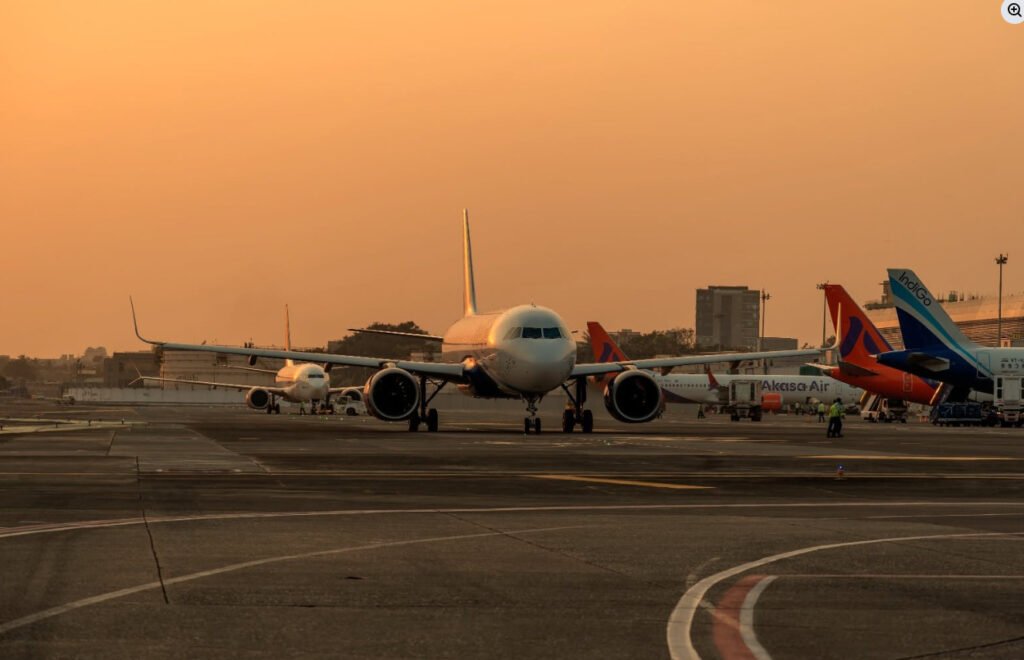
Image: CSMIA

New Delhi, India: The Supreme Court of India has directed the Central Government to place before it, within two weeks, the draft rules framed under the Bharatiya Vayuyan Adhiniyam, 2024, as it continues hearing a public interest litigation (PIL) seeking stronger regulation of India’s civil aviation sector, including safeguards against arbitrary airfare hikes and increasing ancillary charges imposed by airlines. The court has asked the Centre to submit the proposed rules in a sealed cover, even if they have not yet been laid before Parliament, and has listed the matter for further hearing on August 3, 2026.

The matter is being heard by a Bench comprising Justice Vikram Nath and Justice Sandeep Mehta, which has repeatedly expressed concern over the lack of regulatory oversight governing airfare pricing and passenger charges. During earlier hearings, the Bench observed that passengers flying on the same route on the same day often pay vastly different fares despite receiving the same service, raising questions over the transparency and fairness of airline pricing practices. The judges also highlighted the sharp surge in ticket prices during festivals, holidays and emergencies, describing such increases as a matter requiring regulatory attention.

The PIL has been filed by social activist S. Laxminarayanan, represented by senior advocate Ravindra Srivastava, seeking comprehensive reforms to strengthen passenger rights. The petition calls for the establishment of an independent civil aviation regulator with powers to oversee airfare pricing, ensure transparency in dynamic pricing mechanisms, regulate ancillary charges and provide effective consumer protection across the aviation sector. According to the petitioner, while rules already existed under the Aircraft Act, 1937, inadequate implementation and enforcement allowed airlines to continue imposing arbitrary pricing and additional passenger fees.

Apart from challenging unpredictable airfare fluctuations, the petition also targets airline baggage policies. It argues that many airlines have gradually reduced the complimentary checked baggage allowance for economy-class passengers from 25 kilograms to 15 kilograms, while simultaneously limiting travellers to a single checked bag. The plea contends that these changes effectively compel passengers to pay additional baggage fees without any corresponding reduction in ticket prices, amounting to an exploitative practice that has become a significant source of ancillary revenue for airlines. It further alleges that passengers are increasingly being charged separately for services that were previously included in the airfare.

The Centre informed the Supreme Court that the Bharatiya Vayuyan Adhiniyam, 2024 came into force in January 2025 and that the corresponding rules are presently under consultation and translation before being formally placed before Parliament. While acknowledging the concerns raised in the petition, the government stated that the Ministry of Civil Aviation is actively examining the issues relating to airfare regulation and passenger protection under the new legal framework. The court, however, directed the government to place the draft rules before it within two weeks so they can be examined during the ongoing proceedings.

The litigation has been pending before the apex court for several months. On November 17, 2025, the Supreme Court sought responses from the Centre and other stakeholders after admitting the petition. During a hearing on January 19, 2026, the Bench observed that it would examine the issue of “unpredictable fluctuations” in airfares, particularly the steep increases witnessed during festive seasons. Subsequently, on May 15, 2026, the court remarked that there should be some rationalisation of airfares and questioned why airlines operating on the same route charge substantially different fares on the same day. At that stage, it also asked the Centre to explore measures that could provide relief to air travellers.

The latest order marks another significant step in the Supreme Court’s scrutiny of airline pricing practices and passenger rights. The court is expected to examine the finalized draft rules during the next hearing on August 3, when it will consider whether the new regulatory framework under the Bharatiya Vayuyan Adhiniyam adequately addresses concerns surrounding airfare transparency, ancillary charges, baggage policies and consumer protection in India’s rapidly expanding aviation sector.


Leave a Comment

Subscribe to our Newsletter

Recent News