News
Civil Aviation
Pilot Training
Flight School Analysis
Aviation Jobs
Training
Services
About Us
Contact Us

Singapore Airlines Group Female Pilot Numbers Rise 25%; Women Account For 2.8% Of Pilots

Picture of Aviation Today News Desk

Aviation Today News Desk

Singapore: Singapore Airlines (SIA) has increased the number of female pilots across its operations by 25% over the past five years, marking steady progress in gender diversity within one of Asia's leading airline groups. Despite the increase, women continue to make up only a small fraction of the airline's pilot workforce, underscoring the aviation industry's ongoing challenge in attracting more women to the flight deck. The figures were disclosed in the SIA Group Sustainability Report, which tracks workforce diversity and other environmental, social and governance (ESG) targets. The SIA Group comprises full-service carrier Singapore Airlines and its low-cost subsidiary Scoot. According to the latest data, the SIA Group now employs 102 female pilots out of a total pilot workforce of 3,676, reflecting a 25% increase over the past five years. The airline group also reported an overall workforce of 21,667 employees as of March 31, a 3.1% increase year-on-year. Of these, 11,332 are cabin crew, including 7,471 women, meaning women account for slightly more than half of the group's total workforce. While the increase represents a significant milestone, female representation in the cockpit remains limited. Historical sustainability reports show a gradual upward trend in the share of women pilots across the SIA Group: FY2021-22: 1.4% FY2022-23: 1.6% FY2023-24: 1.9% (61 female pilots among 3,245 pilots) The latest figures indicate continued growth, although women still account for 2.8% of the SIA Group's 3,676 pilots. The increase illustrates that percentage gains can appear substantial even when starting from a relatively small base. Singapore Airlines only began accepting women into its cadet pilot programme in April 2016, making it one of the later major Asian carriers to open its pilot training pathway to female applicants. The airline recruited its first two female cadets that year. At the time, SIA said recruitment would continue to be based solely on selecting the most qualified candidates rather than gender. Prior to 2016, women aspiring to become pilots often had to pursue alternative career paths, including joining other airlines or funding their own commercial flight training. Because airline cadet training typically takes two to three years, followed by several additional years to accumulate the experience required for command positions, many of the women who entered the programme after 2016 are only now progressing into more senior cockpit roles. The increase in female pilots forms part of broader workforce diversity objectives outlined by the SIA Group. Singapore Airlines had set a target of achieving a 25% increase in female pilots from FY2020-21 levels by FY2025-26, while Scoot established a similar target using 2021 as its baseline. According to the latest sustainability report, Singapore Airlines achieved its target, whereas Scoot did not fully meet its corresponding goal. The airline also established leadership diversity targets. Scoot achieved its objective of increasing women in director-level and higher positions by at least 25% from 2021 levels. However, Singapore Airlines fell short of its goal of having women comprise at least 25% of vice-president-level and above leadership positions by the end of FY2025-26, citing staff attrition and internal workforce movements. SIA emphasised that recruitment and promotion decisions continue to be based on a holistic assessment of role requirements, candidate capability and overall suitability, rather than quotas. The gradual rise in female pilots has been supported by pioneering aviators who entered the profession through unconventional routes. Among them is Captain Vanessa Khaw, who began her aviation career as a Singapore Airlines cabin crew member in 2004. Inspired by time spent observing flight operations from the cockpit during meal service, she later self-funded her commercial pilot training, joined Tigerair in 2010, transitioned to Scoot following the airlines' merger, and now serves as an Airbus A320/A321 captain and flight instructor training new pilots. Another example is Senior First Officer Lim Wen Shan, who previously flew C-130 transport aircraft with the Republic of Singapore Air Force before transitioning to commercial aviation in 2019. Despite steady progress, aviation continues to face a significant gender imbalance globally. The SIA Group's latest figures highlight gradual but measurable progress toward improving representation in one of aviation's most male-dominated professions, while also demonstrating the considerable distance still to be covered before gender balance in airline cockpits becomes commonplace.
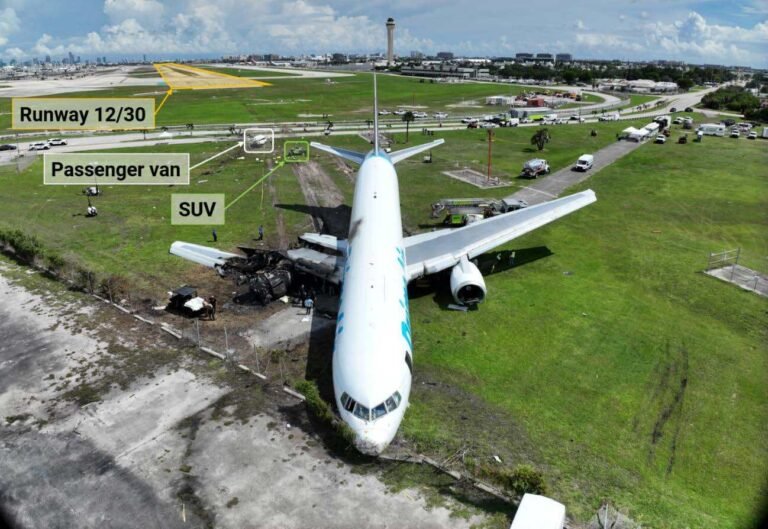
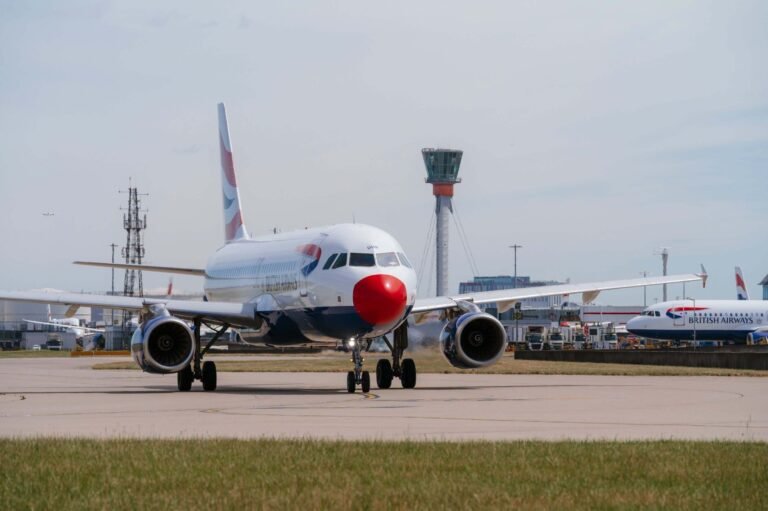
Image: Singapore Airlines

Singapore: Singapore Airlines (SIA) has increased the number of female pilots across its operations by 25% over the past five years, marking steady progress in gender diversity within one of Asia’s leading airline groups. Despite the increase, women continue to make up only a small fraction of the airline’s pilot workforce, underscoring the aviation industry’s ongoing challenge in attracting more women to the flight deck.

The figures were disclosed in the SIA Group Sustainability Report, which tracks workforce diversity and other environmental, social and governance (ESG) targets. The SIA Group comprises full-service carrier Singapore Airlines and its low-cost subsidiary Scoot.

According to the latest data, the SIA Group now employs 102 female pilots out of a total pilot workforce of 3,676, reflecting a 25% increase over the past five years. The airline group also reported an overall workforce of 21,667 employees as of March 31, a 3.1% increase year-on-year. Of these, 11,332 are cabin crew, including 7,471 women, meaning women account for slightly more than half of the group’s total workforce.

While the increase represents a significant milestone, female representation in the cockpit remains limited.

Historical sustainability reports show a gradual upward trend in the share of women pilots across the SIA Group:

  • FY2021-22: 1.4%
  • FY2022-23: 1.6%
  • FY2023-24: 1.9% (61 female pilots among 3,245 pilots)

The latest figures indicate continued growth, although women still account for 2.8% of the SIA Group’s 3,676 pilots. The increase illustrates that percentage gains can appear substantial even when starting from a relatively small base.

Singapore Airlines only began accepting women into its cadet pilot programme in April 2016, making it one of the later major Asian carriers to open its pilot training pathway to female applicants. The airline recruited its first two female cadets that year.

At the time, SIA said recruitment would continue to be based solely on selecting the most qualified candidates rather than gender. Prior to 2016, women aspiring to become pilots often had to pursue alternative career paths, including joining other airlines or funding their own commercial flight training.

Because airline cadet training typically takes two to three years, followed by several additional years to accumulate the experience required for command positions, many of the women who entered the programme after 2016 are only now progressing into more senior cockpit roles.

The increase in female pilots forms part of broader workforce diversity objectives outlined by the SIA Group. Singapore Airlines had set a target of achieving a 25% increase in female pilots from FY2020-21 levels by FY2025-26, while Scoot established a similar target using 2021 as its baseline. According to the latest sustainability report, Singapore Airlines achieved its target, whereas Scoot did not fully meet its corresponding goal.

The airline also established leadership diversity targets. Scoot achieved its objective of increasing women in director-level and higher positions by at least 25% from 2021 levels. However, Singapore Airlines fell short of its goal of having women comprise at least 25% of vice-president-level and above leadership positions by the end of FY2025-26, citing staff attrition and internal workforce movements.

SIA emphasised that recruitment and promotion decisions continue to be based on a holistic assessment of role requirements, candidate capability and overall suitability, rather than quotas.

The gradual rise in female pilots has been supported by pioneering aviators who entered the profession through unconventional routes.

Among them is Captain Vanessa Khaw, who began her aviation career as a Singapore Airlines cabin crew member in 2004. Inspired by time spent observing flight operations from the cockpit during meal service, she later self-funded her commercial pilot training, joined Tigerair in 2010, transitioned to Scoot following the airlines’ merger, and now serves as an Airbus A320/A321 captain and flight instructor training new pilots.

Another example is Senior First Officer Lim Wen Shan, who previously flew C-130 transport aircraft with the Republic of Singapore Air Force before transitioning to commercial aviation in 2019.

Despite steady progress, aviation continues to face a significant gender imbalance globally. The SIA Group’s latest figures highlight gradual but measurable progress toward improving representation in one of aviation’s most male-dominated professions, while also demonstrating the considerable distance still to be covered before gender balance in airline cockpits becomes commonplace.

Leave a Comment

Subscribe to our Newsletter

Recent News