News
Civil Aviation
Pilot Training
Flight School Analysis
Aviation Jobs
Training
Services
About Us
Contact Us

British Airways Introduces Rule Banning Filming Of Cabin Crew Without Consent

Picture of Aviation Today News Desk

Aviation Today News Desk

London, United Kingdom: British Airways (BA) has introduced a stricter onboard conduct policy that explicitly restricts passengers from photographing, recording, or livestreaming cabin crew without their consent, marking a significant shift in how the airline addresses privacy and onboard behaviour. The update has been incorporated into the airline’s General Conditions of Carriage under Section 11(a), classifying unauthorised filming of crew members or airline staff as “unacceptable behaviour.” Under the revised rules, British Airways states that if it reasonably believes a passenger has filmed, photographed, or live-streamed cabin crew without consent, it may take “any measures it considers reasonable” to stop the behaviour. These measures can include intervention by cabin crew, documentation of misconduct, removal of the passenger at the next landing point, cancellation of remaining flight sectors, and potential referral to authorities in serious cases. The revised policy applies broadly to the use of smartphones, digital cameras, and wearable recording devices such as smart glasses and action cameras, which are increasingly used for discreet recording onboard. While the restriction is focused on crew members and airline staff, passengers remain permitted to capture general travel content such as cabin interiors, personal selfies, and meals, provided no identifiable crew member is recorded without permission. Industry reports suggest the policy shift is being driven by a combination of rising privacy concerns and the growing influence of social media onboard aircraft. The widespread availability of high-speed in-flight Wi-Fi has enabled passengers to livestream interactions in real time, increasing the risk of incidents being broadcast without context or consent. Airlines, including British Airways have also faced increasing instances of cabin crew being recorded during service interactions, disputes, or operational disruptions, with such clips frequently circulating online. BA’s updated stance aligns with a broader industry trend where carriers are strengthening protections for frontline staff against unauthorised recording and potential online exposure. British Airways’ updated conditions reinforce that the aircraft cabin is not considered a public space under UK law, allowing airlines to enforce internal behavioural rules as a condition of carriage. Because passengers agree to these conditions upon booking, the airline maintains contractual authority to regulate conduct onboard and take enforcement action when necessary. The move places British Airways alongside other global carriers that have already introduced similar restrictions on photographing or recording crew without consent. Some airlines have also begun issuing onboard announcements reminding passengers of photography rules at the start of flights, reflecting growing industry-wide attention to privacy management in enclosed cabin environments. While the policy has been framed as a privacy protection measure for crew, it has also sparked debate among frequent flyers and content creators. Critics argue that such restrictions may make it harder for passengers to document service issues or operational concerns. However, airlines continue to provide formal complaint channels and regulatory oversight mechanisms for such matters. At the same time, cabin crew unions and industry groups have increasingly called for stronger safeguards, citing concerns over harassment, misrepresentation, and viral social media content taken out of context.
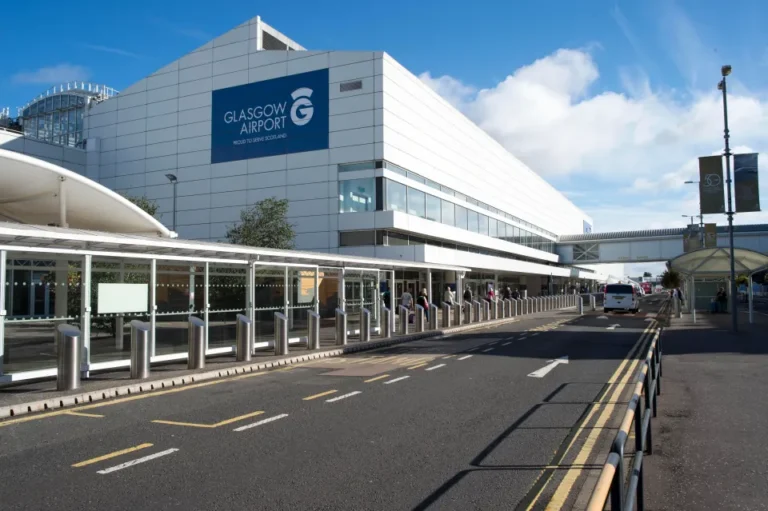
Image: British Airways

London, United Kingdom: British Airways (BA) has introduced a stricter onboard conduct policy that explicitly restricts passengers from photographing, recording, or livestreaming cabin crew without their consent, marking a significant shift in how the airline addresses privacy and onboard behaviour.

The update has been incorporated into the airline’s General Conditions of Carriage under Section 11(a), classifying unauthorised filming of crew members or airline staff as “unacceptable behaviour.”

Under the revised rules, British Airways states that if it reasonably believes a passenger has filmed, photographed, or live-streamed cabin crew without consent, it may take “any measures it considers reasonable” to stop the behaviour.

These measures can include intervention by cabin crew, documentation of misconduct, removal of the passenger at the next landing point, cancellation of remaining flight sectors, and potential referral to authorities in serious cases.

The revised policy applies broadly to the use of smartphones, digital cameras, and wearable recording devices such as smart glasses and action cameras, which are increasingly used for discreet recording onboard.

While the restriction is focused on crew members and airline staff, passengers remain permitted to capture general travel content such as cabin interiors, personal selfies, and meals, provided no identifiable crew member is recorded without permission.

Industry reports suggest the policy shift is being driven by a combination of rising privacy concerns and the growing influence of social media onboard aircraft.

The widespread availability of high-speed in-flight Wi-Fi has enabled passengers to livestream interactions in real time, increasing the risk of incidents being broadcast without context or consent.

Airlines, including British Airways have also faced increasing instances of cabin crew being recorded during service interactions, disputes, or operational disruptions, with such clips frequently circulating online.

BA’s updated stance aligns with a broader industry trend where carriers are strengthening protections for frontline staff against unauthorised recording and potential online exposure.

British Airways’ updated conditions reinforce that the aircraft cabin is not considered a public space under UK law, allowing airlines to enforce internal behavioural rules as a condition of carriage.

Because passengers agree to these conditions upon booking, the airline maintains contractual authority to regulate conduct onboard and take enforcement action when necessary.

The move places British Airways alongside other global carriers that have already introduced similar restrictions on photographing or recording crew without consent.

Some airlines have also begun issuing onboard announcements reminding passengers of photography rules at the start of flights, reflecting growing industry-wide attention to privacy management in enclosed cabin environments.

While the policy has been framed as a privacy protection measure for crew, it has also sparked debate among frequent flyers and content creators.

Critics argue that such restrictions may make it harder for passengers to document service issues or operational concerns. However, airlines continue to provide formal complaint channels and regulatory oversight mechanisms for such matters.

At the same time, cabin crew unions and industry groups have increasingly called for stronger safeguards, citing concerns over harassment, misrepresentation, and viral social media content taken out of context.

Leave a Comment

Subscribe to our Newsletter

Recent News