News
Civil Aviation
Pilot Training
Flight School Analysis
Aviation Jobs
Training
Services
About Us
Contact Us

Air India Co-Pilot Deported From US Over Alleged Marijuana Case, Probe Underway

Picture of Aviation Today News Desk

Aviation Today News Desk

San Francisco, United States: An Air India co-pilot was denied entry into the United States and deported back to India after allegedly being found in possession of marijuana upon arrival in San Francisco, triggering internal and regulatory investigations. The pilot was travelling from Delhi to San Francisco on Tuesday as a “deadheading” crew member, a standard aviation practice where flight crew travel as passengers to position themselves for operational duty. The co-pilot was scheduled to operate a subsequent return flight from San Francisco to India, reportedly to Kolkata, but was unable to do so following the incident. Upon arrival at San Francisco International Airport, US authorities allegedly discovered marijuana in the pilot’s baggage during routine inspection procedures. Following the discovery, the pilot was deemed “inadmissible” under US laws and was not permitted to enter the country. He was subsequently sent back to India on the next available flight without being allowed to leave the airport premises. Air India confirmed the development in an official statement, saying, “One of our crew members travelling from Delhi to San Francisco on April 14, for positioning to operate a subsequent flight, was found to be inadmissible as per local laws and has been sent back to India.” The airline has since derostered the pilot and initiated an internal investigation into the matter. Reiterating its stance, Air India stated that it maintains zero tolerance for legal violations and will take “appropriate strict disciplinary action” in accordance with company policies. The incident has also been reported to India’s aviation regulator, the Directorate General of Civil Aviation (DGCA), which is expected to examine the case under existing safety and conduct regulations. While the full extent of regulatory action remains unclear, the case typically invites scrutiny under strict aviation norms governing substance possession and professional conduct.
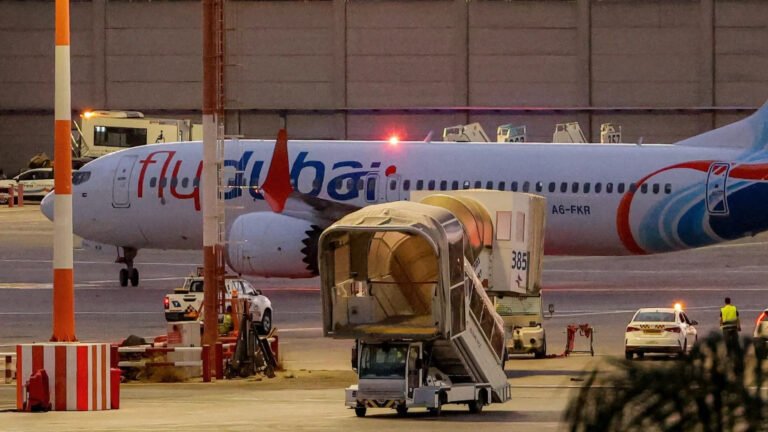
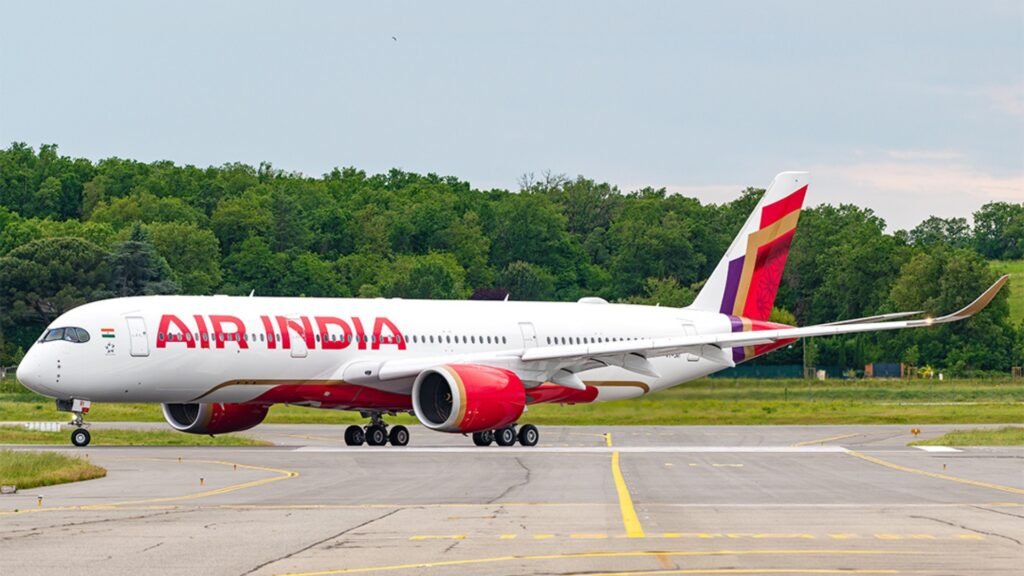
Image: Air India

San Francisco, United States: An Air India co-pilot was denied entry into the United States and deported back to India after allegedly being found in possession of marijuana upon arrival in San Francisco, triggering internal and regulatory investigations.

The pilot was travelling from Delhi to San Francisco on Tuesday as a “deadheading” crew member, a standard aviation practice where flight crew travel as passengers to position themselves for operational duty.

The co-pilot was scheduled to operate a subsequent return flight from San Francisco to India, reportedly to Kolkata, but was unable to do so following the incident.

Upon arrival at San Francisco International Airport, US authorities allegedly discovered marijuana in the pilot’s baggage during routine inspection procedures.

Following the discovery, the pilot was deemed “inadmissible” under US laws and was not permitted to enter the country. He was subsequently sent back to India on the next available flight without being allowed to leave the airport premises.

Air India confirmed the development in an official statement, saying, “One of our crew members travelling from Delhi to San Francisco on April 14, for positioning to operate a subsequent flight, was found to be inadmissible as per local laws and has been sent back to India.”

The airline has since derostered the pilot and initiated an internal investigation into the matter.

Reiterating its stance, Air India stated that it maintains zero tolerance for legal violations and will take “appropriate strict disciplinary action” in accordance with company policies.

The incident has also been reported to India’s aviation regulator, the Directorate General of Civil Aviation (DGCA), which is expected to examine the case under existing safety and conduct regulations.

While the full extent of regulatory action remains unclear, the case typically invites scrutiny under strict aviation norms governing substance possession and professional conduct.


Leave a Comment

Subscribe to our Newsletter

Recent News