Dubai, United Arab Emirates: Dubai has commenced commercial operations of autonomous taxi services in Umm Suqeim and Jumeirah, marking a significant milestone in the emirate’s transition toward smart and driverless mobility systems.
The initiative, led by the Roads and Transport Authority (RTA), introduces self-driving taxis into the city’s public transport network in partnership with global autonomous technology firms Apollo Go and WeRide. The service is currently available through ride-hailing platforms, including Uber and the Apollo Go app, enabling residents and visitors to book driverless journeys in select areas.
The first phase of the rollout includes approximately 100 autonomous taxis operating within the designated districts, with plans to expand the fleet gradually in line with demand and infrastructure readiness. Authorities positioned the launch as a critical step in advancing Dubai’s long-term smart mobility objectives and strengthening its status as a global hub for emerging transport technologies.
The deployment follows extensive testing and regulatory approvals earlier in 2026 including the issuance of Dubai’s first permit for fully driverless vehicle trials without a safety driver. Officials said these trials demonstrated high levels of safety, reliability, and operational efficiency, paving the way for commercial operations.
Mansoor Rahma Alfalasi, Group CEO, DTC, assured that “the successful trials conducted over the past few months have demonstrated the vehicles’ readiness, particularly in terms of safety, reliability, and operational efficiency, reinforcing our confidence in scaling this initiative.”
In parallel, Dubai Taxi Company has initiated fully driverless ride-hailing services through the Apollo Go platform, marking its first international deployment. The service is expected to begin with around 50 vehicles, with long-term plans to scale the fleet to more than 1,000 units over the coming years.
The autonomous taxis operate using advanced artificial intelligence, sensors, and real-time data processing systems, enabling them to navigate complex urban environments, interact with traffic conditions, and comply with road regulations. The technology has already accumulated millions of kilometres of autonomous driving globally, supporting its commercial deployment in Dubai.
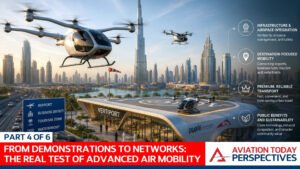
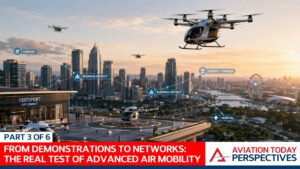
The rollout aligns with Dubai’s Self-Driving Transport Strategy, which targets converting 25% of all journeys in the city into autonomous trips by 2030. Officials view the initiative as a foundational step toward a fully integrated, multi-modal transport ecosystem that will include autonomous ground vehicles and future air mobility solutions.
By introducing autonomous taxis into everyday urban transport, Dubai continues to position itself at the forefront of next-generation mobility, leveraging regulatory support, advanced infrastructure, and global partnerships to accelerate adoption at scale.