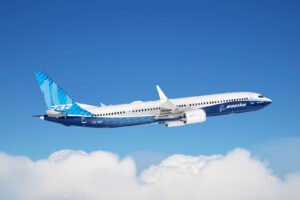
Seattle, United States: Boeing closed a pivotal 2025 reporting year with 600 commercial aircraft delivered to airline customers, marking its strongest annual output since 2018 and underscoring tangible progress in overcoming years of production and supply-chain disruption.
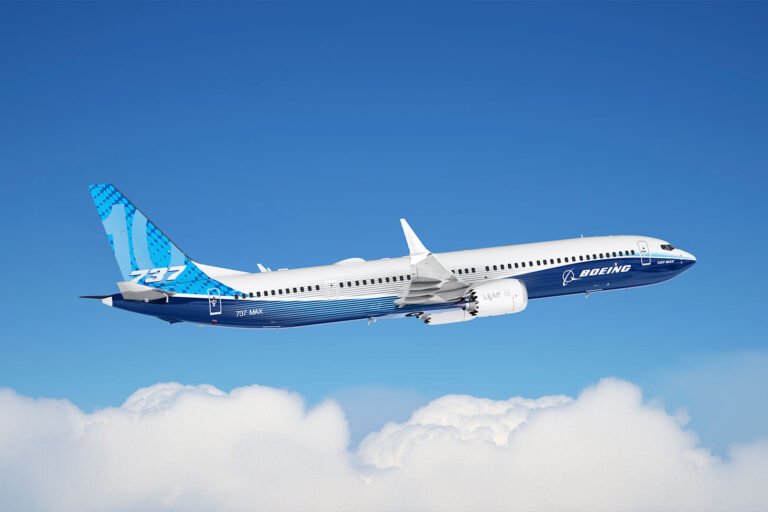
The Seattle-based manufacturer said it handed over 160 jets in the fourth quarter alone, with December deliveries accounting for a particularly strong finish. The company’s 2025 delivery tally included 447 Boeing 737 models, 88 787 Dreamliners, 35 777s and 30 767s, a diversified mix that reflects improvement across both narrowbody and widebody segments.
Boeing’s 2025 performance represents a substantial year-on-year increase from 348 deliveries in 2024, a year severely constrained by labor disruptions, regulatory scrutiny and ongoing supply chain bottlenecks. The uptick through the calendar year also followed interim monthly gains throughout 2025 as Boeing steadily rebuilt its production cadence.
Industry analysts view the 2025 delivery total as a key marker of Boeing’s recovery, even as the company continues to contend with supply constraints and broader market pressures that have affected global aircraft output.
On the orders front, Boeing achieved a notable milestone: 1,173 net aircraft orders for 2025, signaling renewed airline confidence in its commercial portfolio and sales execution. This tally places Boeing ahead of Airbus in net orders for the year, the first time the U.S. planemaker has done so since 2018.
The surge in booking activity includes major commitments from large global carriers, with dozens of Boeing 737 MAX jets ordered in December as part of one of Alaska Airlines’ largest ever fleet purchases and a significant deal for Boeing 787 Dreamliners from Delta Air Lines.
Despite Boeing’s gains, Airbus Boeing’s long-time European rival delivered more aircraft in 2025, with external estimates suggesting approximately 790–800 jets handed over to customers during the year.
Airbus had previously adjusted its annual delivery guidance in late 2025 due to quality-related supply delays but subsequently reported figures near or above its revised target.
The broader commercial aircraft market in 2025 reflected strong global demand, with both major original equipment manufacturers (OEMs) ramping activity toward pre-pandemic production levels. Airbus maintained its leadership in deliveries, but Boeing’s surge in net orders highlights a competitive shift in airline procurement strategies.
Manufacturers will now pivot to 2026, where execution on delivery pipelines and fulfillment of multi-year order books will be critical for sustaining momentum.