News
Civil Aviation
Pilot Training
Flight School Analysis
Aviation Jobs
Training
Services
About Us
Contact Us

EASA Flags Safety Lapses In Air India Aircraft, DGCA Increases Oversight Measures

Picture of Aviation Today News Desk

Aviation Today News Desk

EASA Flags Safety Lapses In Air India Aircraft, DGCA Increases Oversight Measures SEO DES: Data reviewed by the regulator showed that the ratio of findings per inspection reached 1.96 in January, significantly higher than acceptable safety benchmarks SOCIAL: EASA flagged maintenance and compliance lapses in Air India aircraft during surprise inspections, with findings ratio peaking at 1.96 before improving to 1.76 under Directorate General of Civil Aviation monitoring. The inspections highlighted issues such as documentation gaps, delayed defect rectification, and procedural non-compliance. Authorities have since intensified checks, with over 100 internal inspections carried out to ensure compliance. New Delhi, India: European aviation regulator EASA has raised concerns over safety and maintenance compliance in aircraft operated by Air India, following a series of unannounced inspections across airports in Europe, triggering heightened scrutiny from Indian authorities. According to multiple reports, the European Union Aviation Safety Agency (EASA) identified several deficiencies during ramp inspections carried out under its Safety Assessment of Foreign Aircraft (SAFA) programme. These inspections are conducted without prior notice and are aimed at ensuring that foreign carriers comply with international safety standards. The inspections reportedly revealed a range of issues related to: Maintenance procedures Documentation gaps Delayed rectification of defects Operational compliance shortcomings Data reviewed by the regulator showed that the ratio of findings per inspection reached 1.96 in January, significantly higher than acceptable safety benchmarks. Typically, airlines with strong safety records maintain a ratio below 1, indicating fewer discrepancies per inspection. Following the findings, EASA communicated its concerns to India’s aviation regulator, the Directorate General of Civil Aviation (DGCA), prompting immediate action. A senior DGCA official stated, “DGCA immediately stepped in imposing corrective measures on Air India to avoid potential consequences affecting its operations in European countries.” The official further noted that after intensified monitoring, the fault ratio declined to 1.76, indicating early improvement but still above global best-practice levels. Indian authorities have significantly increased oversight of Air India’s international operations. A DGCA official confirmed, the airline has conducted over 100 internal inspections and the aircrafts are cleared for operations only after defects are rectified and compliance is ensured This reflects a coordinated regulatory response aimed at preventing escalation into operational restrictions in Europe. Recent Air India issue prompts precautionary diversion mid-flight An Air India long-haul flight from New York to Delhi was forced to divert on Sunday to Shannon Airport in Ireland following a mid-air technical issue, prompting a precautionary landing and safety checks. The flight, AI102, operated by an Airbus A350 aircraft, was en route from John F. Kennedy International Airport to Delhi when the crew detected a suspected technical snag during the journey. The aircraft had been airborne for nearly six hours before the decision was made to divert. According to airline officials, the diversion was carried out as a safety precaution. An Air India spokesperson said, “Flight AI102 operating from New York (JFK) to Delhi on March 15 made a precautionary diversion to Shannon, Ireland, following a suspected technical issue.” The aircraft landed safely at Shannon Airport at approximately 04:30 local time, with all passengers and crew reported safe. There were around 300 people onboard at the time of the incident.

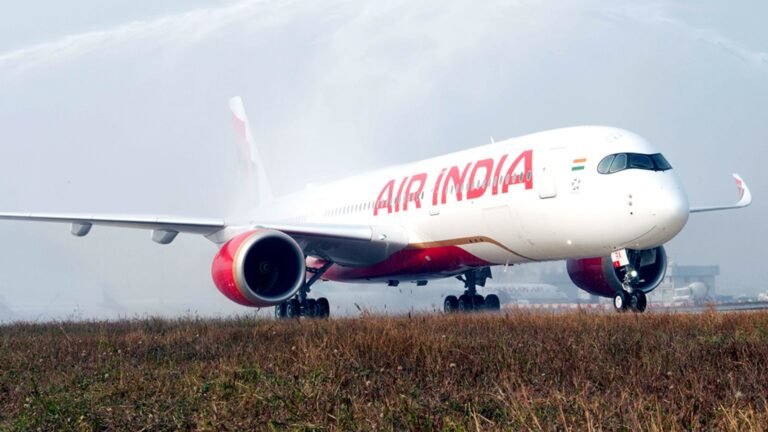
Image: Air India

New Delhi, India: European aviation regulator EASA has raised concerns over safety and maintenance compliance in aircraft operated by Air India, following a series of unannounced inspections across airports in Europe, triggering heightened scrutiny from Indian authorities.

According to multiple reports, the European Union Aviation Safety Agency (EASA) identified several deficiencies during ramp inspections carried out under its Safety Assessment of Foreign Aircraft (SAFA) programme. These inspections are conducted without prior notice and are aimed at ensuring that foreign carriers comply with international safety standards.

The inspections reportedly revealed a range of issues related to:

  • Maintenance procedures
  • Documentation gaps
  • Delayed rectification of defects
  • Operational compliance shortcomings

Data reviewed by the regulator showed that the ratio of findings per inspection reached 1.96 in January, significantly higher than acceptable safety benchmarks.

Typically, airlines with strong safety records maintain a ratio below 1, indicating fewer discrepancies per inspection.

Following the findings, EASA communicated its concerns to India’s aviation regulator, the Directorate General of Civil Aviation (DGCA), prompting immediate action.

A senior DGCA official stated, “DGCA immediately stepped in imposing corrective measures on Air India to avoid potential consequences affecting its operations in European countries.”

The official further noted that after intensified monitoring, the fault ratio declined to 1.76, indicating early improvement but still above global best-practice levels.

Indian authorities have significantly increased oversight of Air India’s international operations.

A DGCA official confirmed, the airline has conducted over 100 internal inspections and the aircrafts are cleared for operations only after defects are rectified and compliance is ensured

This reflects a coordinated regulatory response aimed at preventing escalation into operational restrictions in Europe.

Recent Air India issue prompts precautionary diversion mid-flight

An Air India long-haul flight from New York to Delhi was forced to divert on Sunday to Shannon Airport in Ireland following a mid-air technical issue, prompting a precautionary landing and safety checks.

The flight, AI102, operated by an Airbus A350 aircraft, was en route from John F. Kennedy International Airport to Delhi when the crew detected a suspected technical snag during the journey. The aircraft had been airborne for nearly six hours before the decision was made to divert.

According to airline officials, the diversion was carried out as a safety precaution.

An Air India spokesperson said, “Flight AI102 operating from New York (JFK) to Delhi on March 15 made a precautionary diversion to Shannon, Ireland, following a suspected technical issue.”

The aircraft landed safely at Shannon Airport at approximately 04:30 local time, with all passengers and crew reported safe. There were around 300 people onboard at the time of the incident. 
Leave a Comment

Subscribe to our Newsletter

Recent News

error: Unauthorized copying is not permitted