

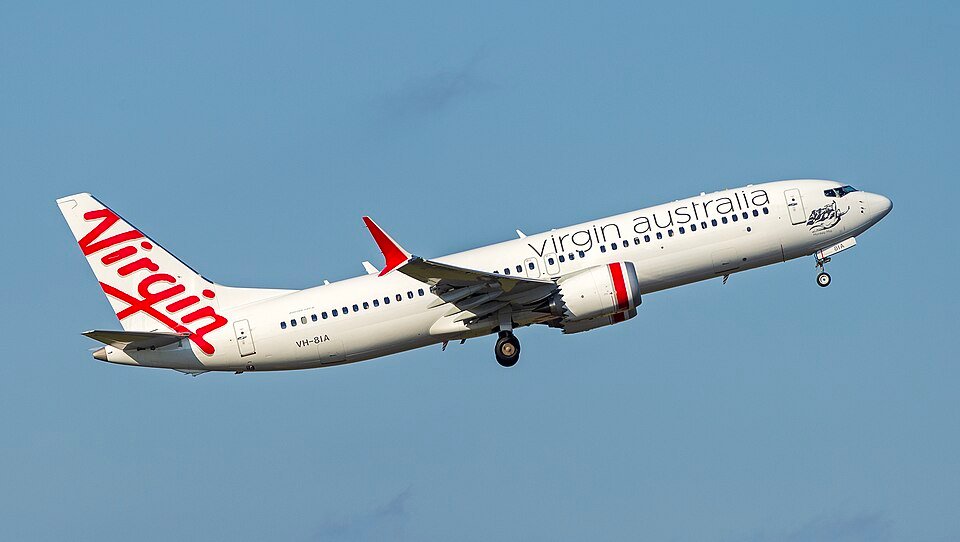
Melbourne, Australia: Emergency services were deployed at Melbourne Airport after smoke from a vape device onboard a Virgin Australia passenger flight prompted an urgent response shortly before landing, authorities confirmed on Sunday.
The incident occurred on Virgin Australia Flight VA328, operated by a Boeing 737-8FE, which was flying from Brisbane Airport to Melbourne. Smoke was reported in the aircraft cabin during the aircraft’s descent into Melbourne, prompting the flight crew to declare a “PAN” call, a standard aviation alert indicating an urgent situation that requires priority handling but is less severe than a mayday emergency.
According to airport officials, the smoke originated from a vape or e-cigarette device that activated and began emitting smoke inside the cabin shortly before landing. A passenger alerted the cabin crew after noticing vapour and smoke coming from the device. The crew quickly moved to contain the unit in accordance with onboard fire-response procedures.
Emergency services were placed on standby at Melbourne Airport as the aircraft approached. Aviation Rescue Firefighters followed the aircraft after landing and boarded the plane as a precaution to remove the device and ensure there was no continuing fire risk.
The aircraft landed safely at approximately 4:25 p.m. local time, and all passengers and crew disembarked normally. Authorities confirmed that no injuries were reported during the incident.
In a statement, Virgin Australia said the safety of passengers and crew remains its highest priority, and thanked the flight crew for their swift actions in managing the situation and containing the device before it escalated.
Vaping devices contain lithium batteries, which can pose a fire hazard if damaged, overheated, or poorly manufactured. When such batteries fail, they can enter a condition known as “thermal runaway,” in which internal reactions rapidly generate heat, smoke, and flames.
The batteries used in disposable or low-cost vape devices may be more prone to failure than those used in larger consumer electronics. Some devices also lack safety features designed to prevent accidental activation or overheating.
Because of these risks, airlines require electronic smoking devices to be carried only in cabin baggage, allowing crew members to quickly respond if a device overheats or ignites during flight.
Airlines typically prohibit these devices from being placed in checked baggage because a fire in the cargo hold can be difficult to detect and extinguish during flight.

















_Boeing_737_MAX_8_departing_Sydney_Airport_-_cropped.jpg)