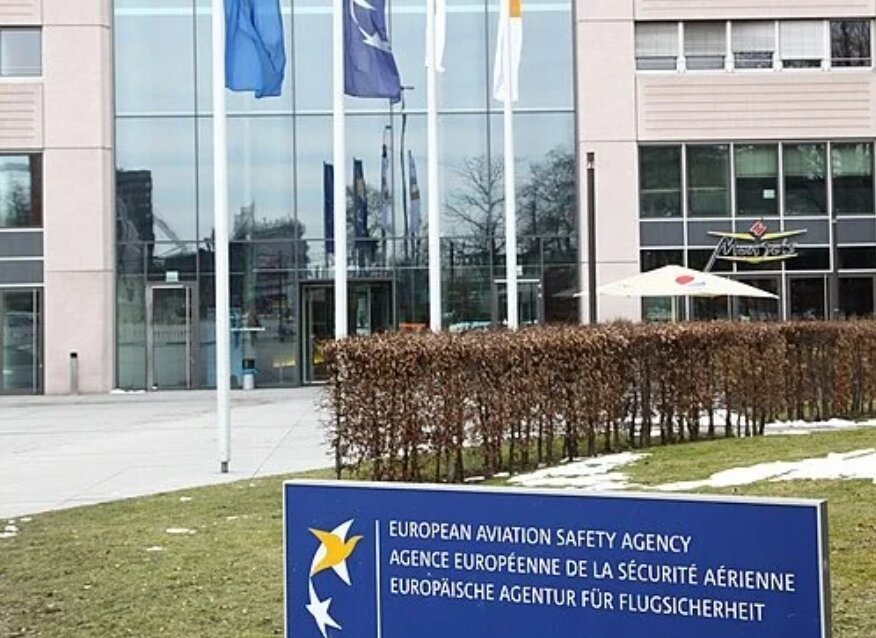
Cologne, Germany: The European Union Aviation Safety Agency (EASA) has instructed airlines and other aircraft operators to continue avoiding the airspace of Iran, Iraq and Lebanon until August 31, 2026, citing an unstable security situation in the Middle East despite the recent ceasefire between the United States and Iran.
The updated Conflict Zone Information Bulletins (CZIBs), issued on July 8, replace EASA’s broader regional advisory with separate country-specific bulletins for Iran, Iraq and Lebanon. The agency said the decision was taken following a fresh assessment conducted jointly with the European Commission and EU member states after recent developments in the region.
According to EASA, operators “should not operate within the affected airspace” because the security environment remains highly volatile and the risk to civil aviation continues to be significant. The agency warned that although active hostilities have eased, the ceasefire remains fragile and the possibility of renewed military action cannot be ruled out.
The latest advisory comes after weeks of heightened tensions following U.S. military strikes on Iranian targets and subsequent Iranian retaliatory attacks against U.S. military facilities in the Gulf region. While a ceasefire framework has reduced immediate hostilities, EASA believes the security situation remains unpredictable, with the potential for rapid escalation that could directly affect civilian aircraft operating over the region.
EASA said there remains “a risk of renewed military action” and warned that any sudden deterioration in the security environment could pose an immediate threat to civil aviation, particularly in Iranian airspace. The agency also noted that military activities and the possibility of misidentification or unintended engagement continue to present serious hazards for commercial flights.
Unlike its previous Middle East conflict-zone bulletin, which also advised airlines to exercise caution over Bahrain, Israel, Jordan, Kuwait, Oman, Qatar, Saudi Arabia and the United Arab Emirates, the revised guidance withdraws those broader regional recommendations for now. Instead, EASA has issued dedicated active advisories only for Iran, Iraq and Lebanon, reflecting its latest operational risk assessment.
The three new Conflict Zone Information Bulletins will remain in force until August 31, 2026, unless reviewed or amended earlier if the security situation changes.
The advisory is expected to keep many international airlines on longer rerouted flight paths between Europe and Asia, increasing flight times, fuel consumption and operating costs while avoiding one of the region’s most important overflight corridors.
Many airlines had already been avoiding Iranian and Iraqi airspace since the outbreak of the regional conflict earlier this year. EASA’s latest decision formally extends that guidance, indicating that European regulators do not yet consider the security situation safe enough for the resumption of normal commercial overflights.