Seoul, South Korea: South Korea’s National Assembly has passed legislation to establish an independent parliamentary investigation into the December 2024 Jeju Air plane crash, intensifying scrutiny of the official accident inquiry and responding to mounting pressure from victims’ families and lawmakers.
The bill, approved on 22 December 2025, empowers an 18-member panel of lawmakers to conduct a comprehensive review of the crash that killed 179 people, making it the deadliest aviation disaster in South Korean history.
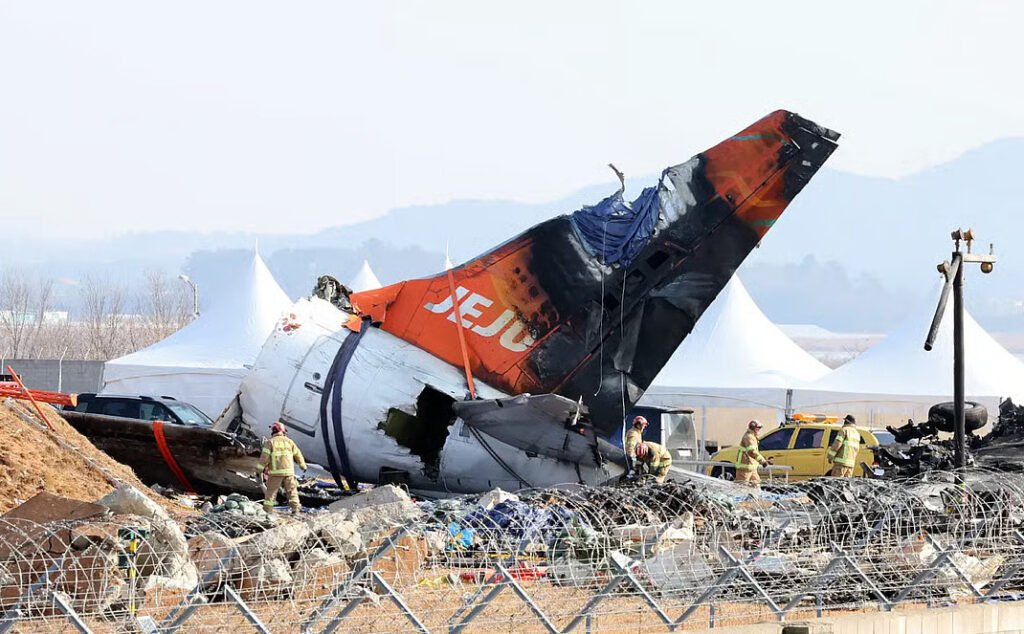
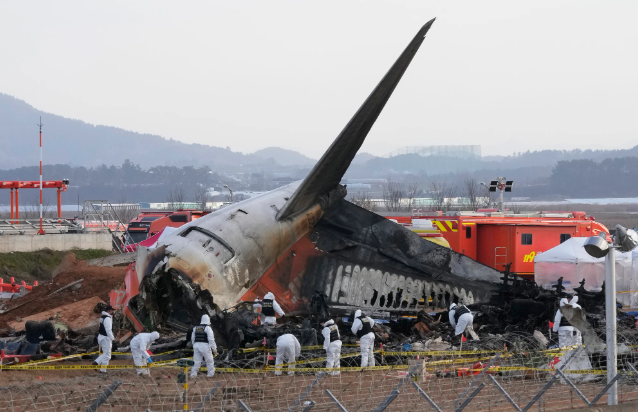
The Jeju Air crash occurred on December 29, 2024, when Jeju Air Flight 2216, a Boeing 737-800 operating from Bangkok to Muan International Airport, crashed during landing in South Korea. The aircraft touched down without its landing gear deployed, skidded along the runway at high speed, overran the runway and struck a concrete embankment, triggering a massive fire that destroyed most of the aircraft.
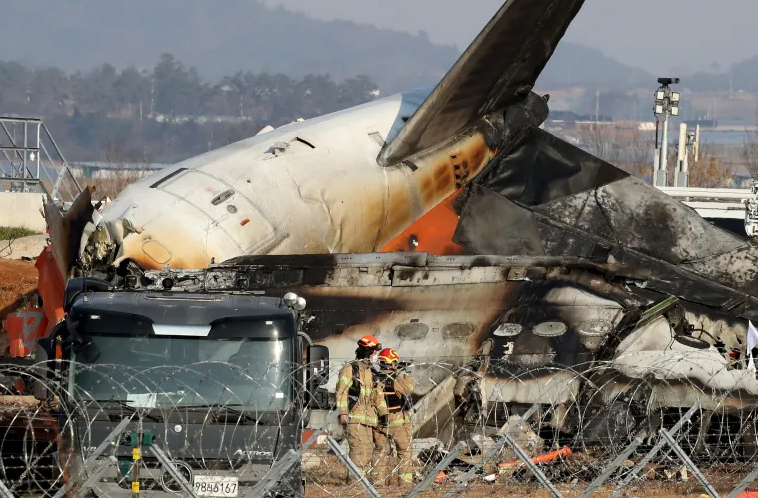
179 people were killed, including all passengers and four crew, making it South Korea’s deadliest aviation disaster. The victims included families and holiday travelers, ranging from elderly passengers to young children, including a 3-year-old boy. Only two cabin crew members, seated at the rear of the aircraft, survived and were rescued with serious injuries.
Relatives of the victims have voiced growing frustration over the pace and transparency of the official probe. According to parallel reporting, families question the credibility of the existing investigation and allege it has failed to resolve key questions nearly a year after the crash.
At memorial events marking the anniversary of the tragedy, families lit candles and demanded full accountability, emphasizing that the delay in public findings deepened their pain and hindered trust in official processes.
President Lee Jae Myung issued a public apology to the families, recognizing their anguish and pledging to uncover the truth behind the disaster. He acknowledged systemic issues in how aviation safety is overseen and stressed the need for meaningful reforms.
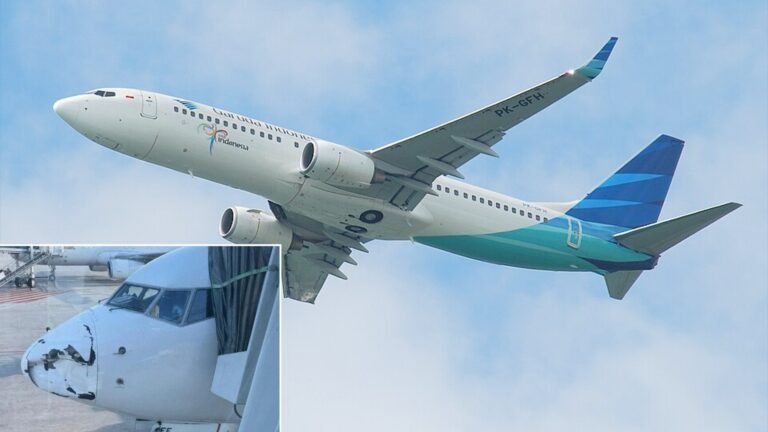
Authorities and investigators have grappled with technical challenges related to the crash probe. Interim reports indicated that both engines sustained bird strikes, and subsequent analysis found that one engine was shut down despite sustaining less damage than the other, raising questions about crew actions and procedural adherence.
Additionally, past updates have shown broader industry implications, including regulatory discussions on runway safety infrastructure and aircraft oversight.
The Jeju Air incident has reverberated across South Korea’s aviation sector and political landscape, fuelling debate over accident investigation independence, aviation infrastructure standards, and public accountability. The parliamentary inquiry, set to conduct its work over a designated period with possible extensions, represents a significant escalation in legislative involvement in aviation oversight.